
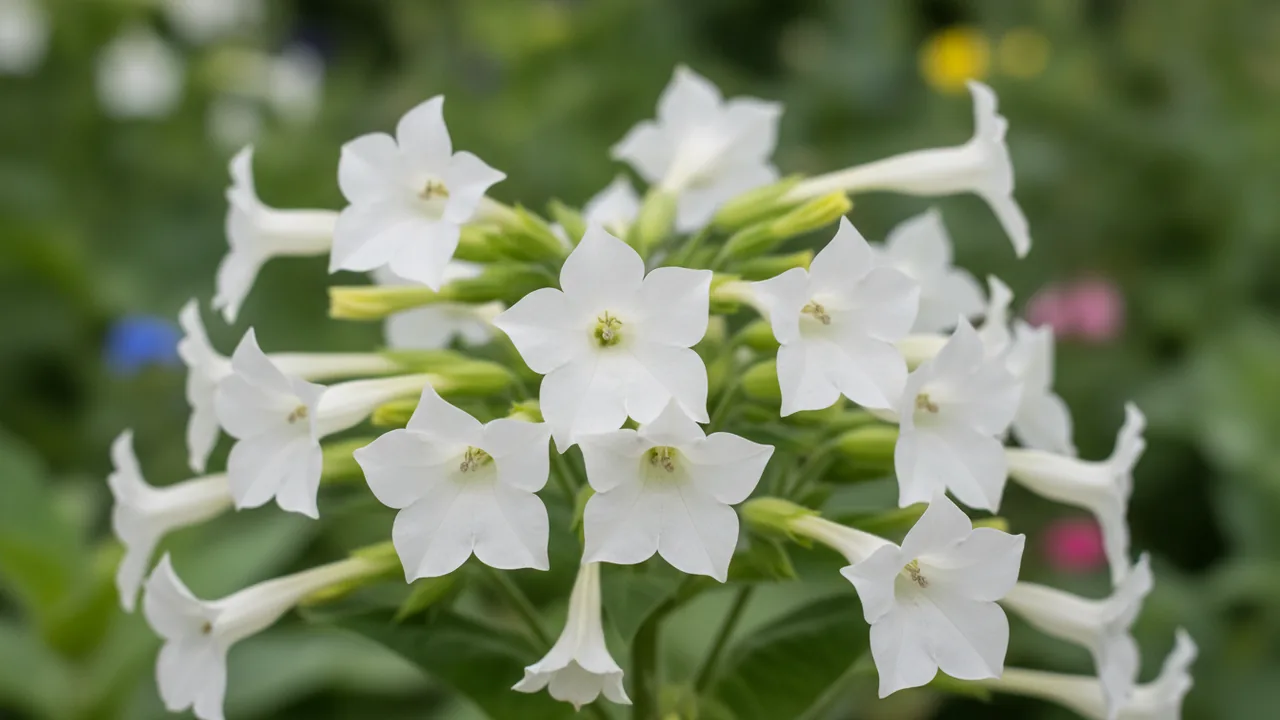
 Illustration

Flowering Tobacco
Nicotiana
Flowering Tobacco blooms from June through September.
Months here are Northern Hemisphere months; in the Southern Hemisphere, shift them by six months.
Growing Flowering Tobacco
Plant it in part sun. It prefers moderate water. It is hardy in USDA zones 10–11. Expect it to reach about 24 in tall and 12 in wide at maturity, in roughly 1 year (not yet checked).
What was checked
Mature height and spread, hardiness zones, sun and the trait tags were checked against named botanical sources for this plant. The bloom months and water need on this page were not, and each fact above says which. The planting, spacing and size sections are derived from these checked facts by a fixed rule, not checked separately, and the plant type is the library's own classification.
When to plant Flowering Tobacco
Wait until all danger of frost has passed, then plant out Flowering Tobacco into warm soil; in most zones that means late spring. Planted then, it flowers from June to September.
Month-by-month timing for your zone is on the planting calendar; if you garden near zone 10, the middle of this plant's hardy range, start with zone 10 in January. Derived from the plant's category, zones and bloom months plus typical zone frost dates, not checked separately.
How big does Flowering Tobacco get?
 24 intall5 ft 7 inan adult12 inwide
See Flowering Tobacco in a garden plan: the planner shows it in 3D beside everything else you add, growing toward this size over the years.
How far apart to plant Flowering Tobacco
Derived from the mature spread above by a fixed rule, not checked separately: spacing is the spread, center to center.
Space Flowering Tobacco about 12 in apart, center to center, so each plant has room to reach its full width.
Add Flowering Tobacco to a garden plan and the planner draws it at its full width, so you see the spacing before you buy.
Where these facts come from
Flowering Tobacco's height, spread, hardiness zones, sun and trait tags were checked against 8 published sources on July 30, 2026. Each one is linked below with every fact it carried, which can include a fact this page still marks as not yet checked, because a source carrying a value is not the same as the value being held to the standard. Facts not in that list, and the planting, spacing and size sections, are not covered by these sources.
- Missouri Botanical GardenNicotiana alataheight, spread, hardiness zones, sun and trait tags
- Missouri Botanical GardenNicotiana sylvestrisheight, spread, hardiness zones, sun and trait tags
- University of Wisconsin HorticultureNicotiana sylvestrisheight, spread, hardiness zones, sun and trait tags
- NC State ExtensionNicotiana alataheight, spread, sun and trait tags
- NC State ExtensionNicotiana sylvestrisheight, spread, sun and trait tags
- University of Florida IFASFlowering Tobacco, Nicotianaheight, sun and trait tags
- NC State ExtensionNicotiana x sanderisun and trait tags
- RHSRoyal Horticultural Society (Nicotiana, genus profile)sun and trait tags
How the checking works, and what each standard covers, is on the verified plants page.
Comes in 5 varieties across 3 colors
Same genus, similar care - pick the color you are growing.
Compare every variety in the Flowering Tobacco group
Every figure is the variety's own page fact. Tap a name to open it.
| Variety | Color | Blooms | Hardiness | Sun | Size (H × W) |
|---|---|---|---|---|---|
| Crimson Bedder | Red | Jun–Sep | Zones 10–11 | Part sun | 20 in × 12 in |
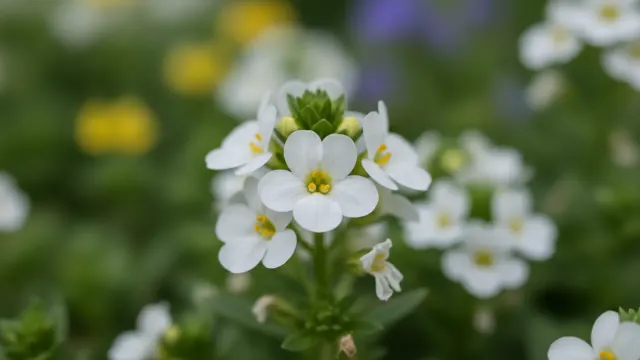
| Floweringthis page | White | Jun–Sep | Zones 10–11 | Part sun | 24 in × 12 in |
| Lime Green | - | Jun–Sep | Zones 10–11 | Part sun | 24 in × 12 in |
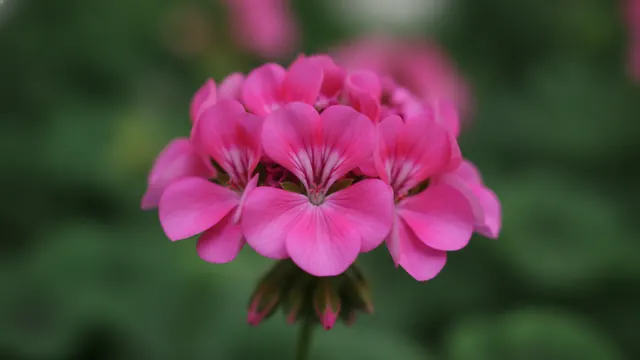
| Pink | Pink | Jun–Sep | Zones 10–11 | Part sun | 24 in × 12 in |
| Purple | Purple | Jun–Sep | Zones 10–11 | Part sun | 3 ft × 1 ft |
| Red | Red | Jun–Sep | Zones 10–11 | Part sun | 24 in × 12 in |
Good to know about Flowering Tobacco
Curated from university extensions, botanic gardens and other primary sources, with the source named on every note. A note reports what its source says; where that differs from a fact above, the fact above is this entry's stored value, and its mark says whether it has been checked.
Safety
Poisonous: every part holds nicotine, a neurotoxin. Toxic to dogs, cats, horses; keep it away from children, pets, and grazing animals. NC State rates the poison severity High. per ASPCA and NC State
Worth knowing
The same hawkmoth is both hero and villain: it pollinates the night-open flowers in flight like a hummingbird, and its caterpillar is the tobacco hornworm that chews the leaves. per Wisconsin and PubMed Central
Fragrance depends on type
Species and heirloom types (N. alata, N. sylvestris) perfume the evening; many compact bedding hybrids were bred for daytime color and give up the night scent. per NC State and Missouri Botanical
Keep from the tomato family
Do not plant it near tomatoes, peppers, potatoes, or eggplant: these nightshade relatives can share and spread tobacco mosaic virus. Watch for aphids and the hand-pickable tobacco hornworm. per NC State
A night pollinator plant
Its long, fragrant, night-open tubes are built for nocturnal hawkmoths that hover and feed in flight like hummingbirds. It is a night specialist, not a daytime bee magnet. per Wisconsin
Self-seeds, but manageable
It self-seeds readily from many tiny seeds, but volunteers are easy to spot and pull. Deadheading the spent flower clusters cuts down on self-sowing. per Wisconsin
Site fragrant types by paths
The evening scent only pays off up close, so plant the fragrant species types beside a patio, doorway, or path you use after dark. Scentless dwarf hybrids can go anywhere. per NC State
What pairs well with Flowering Tobacco
Good companions share its growing conditions and add something it lacks: an earlier or later bloom, a lower carpet in front, or structure through winter.
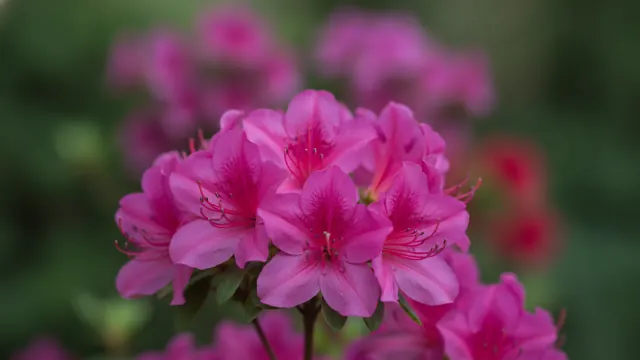
Azalea
Takes part sun to part shade and moderate water; blooms in mid spring, before this one opens; both offer pollinator forage, in different months; evergreen, so the bed keeps its shape through winter.

Camellia
Takes part sun to part shade and moderate water; blooms in midwinter, before this one opens; both offer pollinator forage, in different months; evergreen, so the bed keeps its shape through winter.

Perennial Sunflower
Takes full sun to part sun and moderate water; overlaps, then carries the display into mid fall; its seed heads stand through winter, for structure and the birds; both offer pollinator forage.
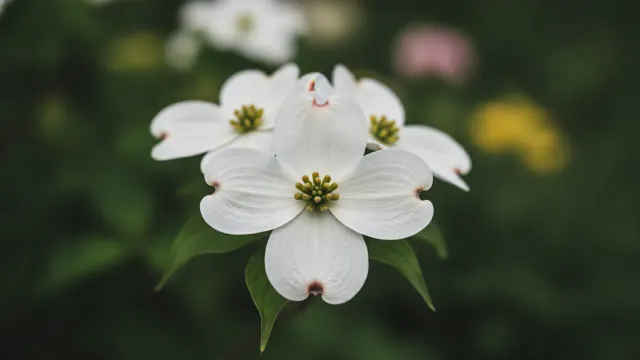
Flowering Dogwood
Takes part sun to part shade and moderate water; blooms in mid spring, before this one opens; both offer pollinator forage, in different months; its white flowers settle the white.

Rock Cress
Takes full sun to part sun and low to moderate water; blooms in mid spring, before this one opens; evergreen, so the bed keeps its shape through winter; lower at 4 in, for the front of the border.

Aster
Takes full sun to part sun and moderate water; overlaps, then carries the display into mid fall; its seed heads stand through winter, for structure and the birds; both offer pollinator forage.
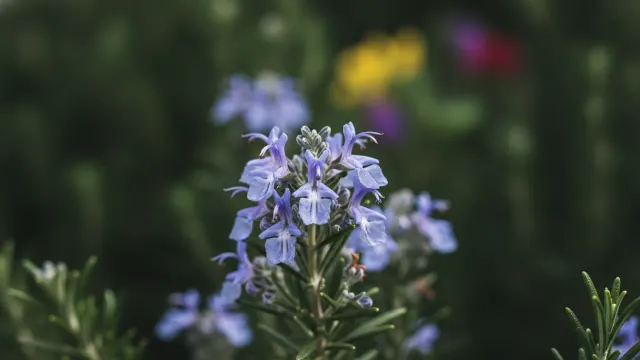
Rosemary
Takes full sun to part sun and low to moderate water; blooms in early spring, before this one opens; both offer pollinator forage, in different months; evergreen, so the bed keeps its shape through winter.

Winterberry
Takes full sun to part sun and moderate to high water; blooms in mid fall as this one finishes; both offer pollinator forage, in different months; taller at 6.5 ft, for the layer behind it.
Featured in these guides
Explore similar plants
You might also like



Design a garden with this
Drop this plant onto a 3D plan, see how it fills in, and watch your whole garden bloom across the year.