
Practical
The Longest-Blooming Annuals, Ranked by Their Actual Bloom Calendars
Annuals are built to bloom long; these are built to bloom longest. The library's annuals, ranked by their measured months in flower.
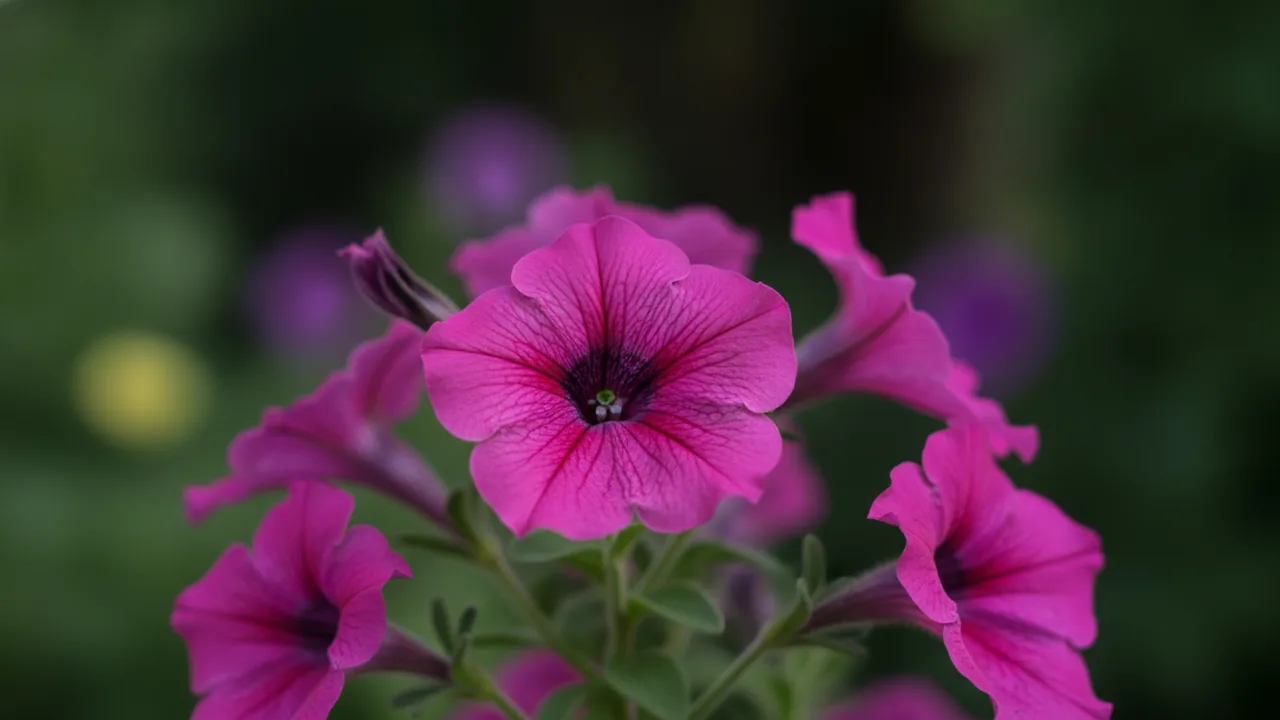
Annuals bloom long for a blunt reason: they get one year to set seed, so they flower like the season depends on it, because for them it does. That makes them the honest answer to the container question and the gap question, the color that starts when you plant it and stops at frost. We ranked ours the same way we ranked the perennials: every annual in the library, measured by its longest unbroken run of bloom months on its own calendar, curated to one plant per family of near-identical cultivars.
One honest note the perennials never needed: at the top, the measurement ties. A whole shelf of annuals runs May to October, six months, and no calendar month splits them. So the order inside the top tier is our editorial call on fame and usefulness, and we say so; the measurement decides who is in the tier, not who is first in it.
What annuals bloom the longest?
The six-month class: annuals whose calendars run unbroken from May to October. Petunias and calibrachoa lead it for sheer flower count, annual geraniums and marigolds are its workhorses, and impatiens carries the same six months into shade. All ten picks below sit in that tier; frost sets the real endpoints in any given garden, so cold zones see the same plants run last frost to first frost.
The top ten
Petunia
May to October, and still the most flower per dollar in gardening: wave after wave of wide-mouthed blooms in any shade you can name, on plants that mound, trail, or carpet. Modern trailing types barely need deadheading; a midsummer trim brings a tired basket straight back.
Add to a gardenCalibrachoa
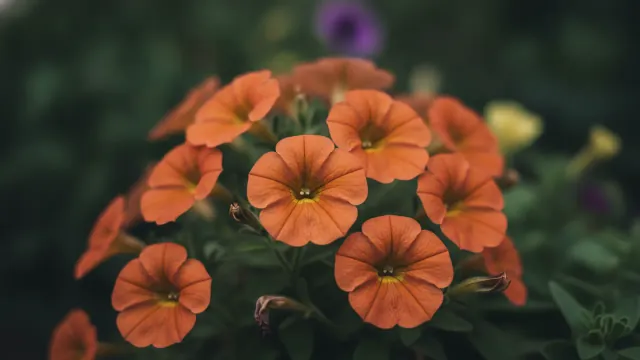
Million bells: a May to October blizzard of inch-wide mini-petunias that never needs deadheading at all. The single best container annual of the modern era, happiest in pots with steady feed and sharp drainage.
Add to a gardenPelargonium
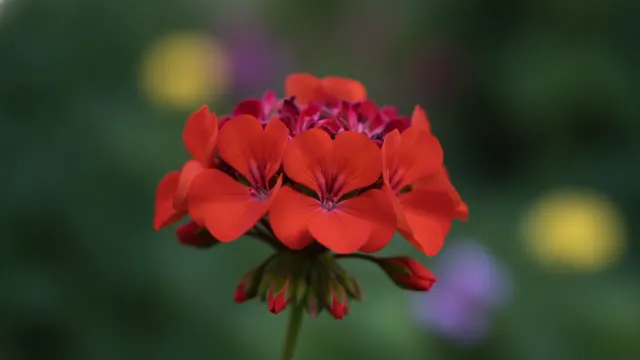
The window-box classic the world over, and the calendar explains why: May to October of fat flower heads over scalloped leaves, shrugging at heat and missed waterings. Snap off spent heads and it never pauses.
Add to a gardenTagetes
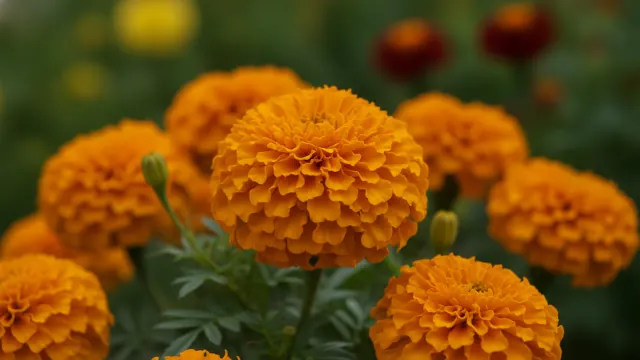
May to October in every warm shade from lemon to mahogany, from seed you can sow yourself, which makes it the cheapest six-month run on this list. Deadhead weekly and the show is genuinely continuous.
Add to a gardenImpatiens walleriana
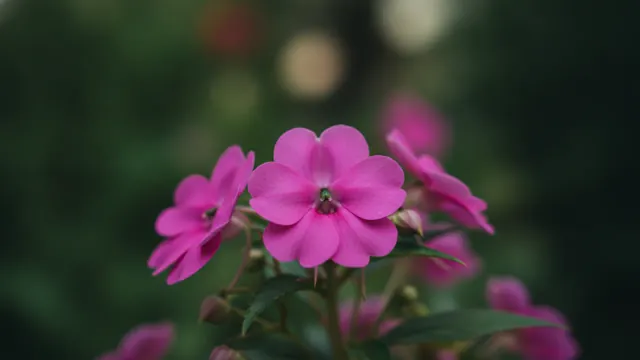
The six-month answer for shade, May to October where almost nothing else flowers at all. It is the thirstiest plant on this list, so it pairs steady moisture with its deep-shade tolerance; in return, nonstop color.
Add to a gardenBegonia
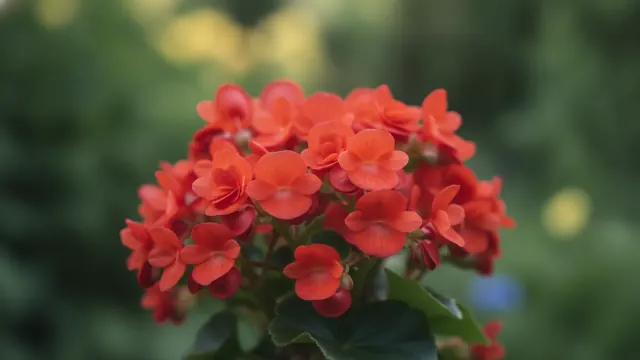
May to October in part shade, with wax types handling more sun than their reputation admits. Self-cleaning flowers, handsome foliage, and near-total independence once planted: the low-effort pick of the ten.
Add to a gardenVerbena
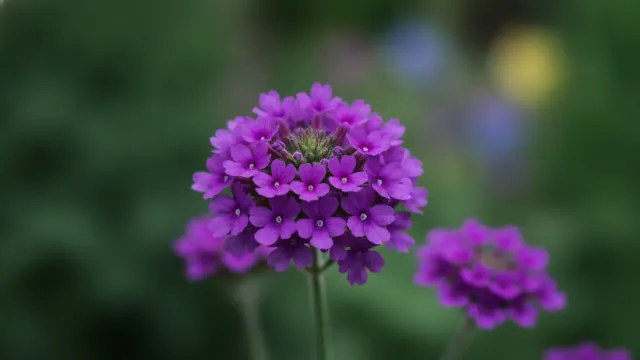
Clusters of small flowers, May to October, on a 10-inch spiller built for basket edges and hot corners. Give it full sun and a light midsummer shear when it thins, and it finishes the season as full as it started.
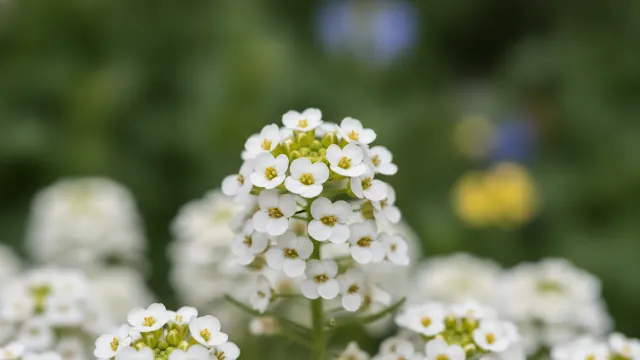
Add to a gardenLobularia maritima
A 5-inch froth of tiny flowers, May to October, whose warm honey scent reaches you before the plant does. Bees and hoverflies work it all season; shear it lightly when it goes stringy and it refreshes in days.
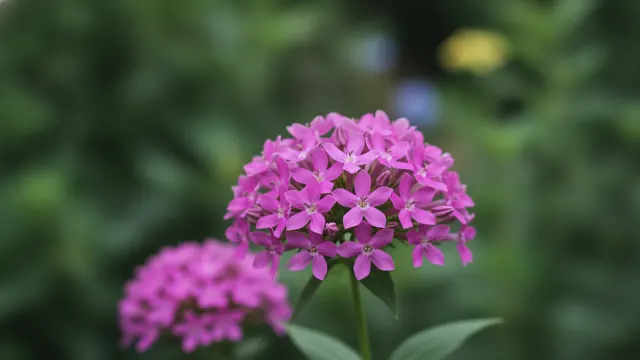
Add to a gardenPentas lanceolata
The pollinator engine of the tier: domed heads of starry flowers, May to October, that butterflies treat as a scheduled stop. It loves real heat, which makes it the six-month pick for the hottest patio.
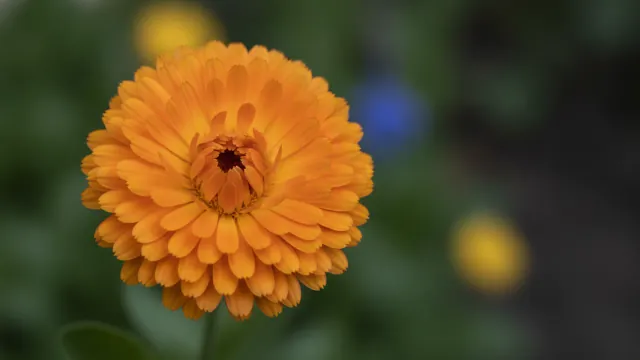
Add to a gardenCalendula
The pot marigold: cheerful gold and orange daisies, May to October, from big easy seeds, with edible petals as the bonus. It prefers the cool ends of the season and can pause in extreme heat, then returns for a big fall finish.
Add to a garden
How this list was made
The full method: we loaded the published plant library this site is built from, kept the annuals, and measured each record's longest unbroken run of calendar months in bloom. The ceiling is six months, May to October, and 115 records across exactly fourteen cultivar families reach it; no annual in the ranking runs longer. We kept one representative per family and chose the ten by fame and garden role, so the list stays ten distinct plants. That cut four six-month families, and they deserve naming: bacopa, bidens, cuphea, and scaevola all share the same May to October window and simply lost the fame tiebreak. Community-submitted records sat the ranking out, as they did for the perennials.
Frost writes the real calendar
May to October describes these plants in a mild-frost year. Annuals are planted out after the last frost and end at the first one, so a zone 3 season squeezes the same plants into June to September, while a nearly frost-free garden stretches them past November. The ranking holds everywhere; the endpoints are yours. Our planting calendar shows the safe planting-out weeks by zone.
Why is zinnia not in the top ten?
Because its own calendar opens in June, not May: zinnias wait for genuinely warm soil, which makes their run June to October, five months. Wonderful, and one of the best cut flowers in the library, but the measurement is strict, and it is the same strictness that makes the six-month tier mean something. Cosmos and lantana miss the tier the same way.
Do these need deadheading to keep going?
Less than you would think: calibrachoa, begonias, and modern trailing petunias are self-cleaning, and impatiens drops its own flowers too. Marigolds, geraniums, and calendula repay a weekly snip, and the spillers bounce back from a light midsummer shear. Our deadheading guide covers the technique.
Are annuals really longer-blooming than perennials?
At the top end, yes: this list's six-month tier has 115 members, while the perennials' measured champion, catmint 'Early Bird', stands nearly alone at six months and the perennial top ten drops quickly to four-month runs. The perennials return every year, though, which is the whole trade. The two rankings together are the honest picture.
How do I keep them flowering to frost?
Feed and water, especially in containers: a six-month bloomer is running a marathon on a pot of soil, so regular liquid feed from midsummer is what keeps the last two months full; our container guide covers the whole watering-and-feeding rhythm. Add a light shear for anything going leggy in August, and the same plants finish in October looking planted, not survived.
Design a garden with these plants
Open BloomsEye Studio with this guide's plants ready to drop onto a plan, then watch the whole bed bloom across the year. New to it? See what the free garden planner does.