
 Illustration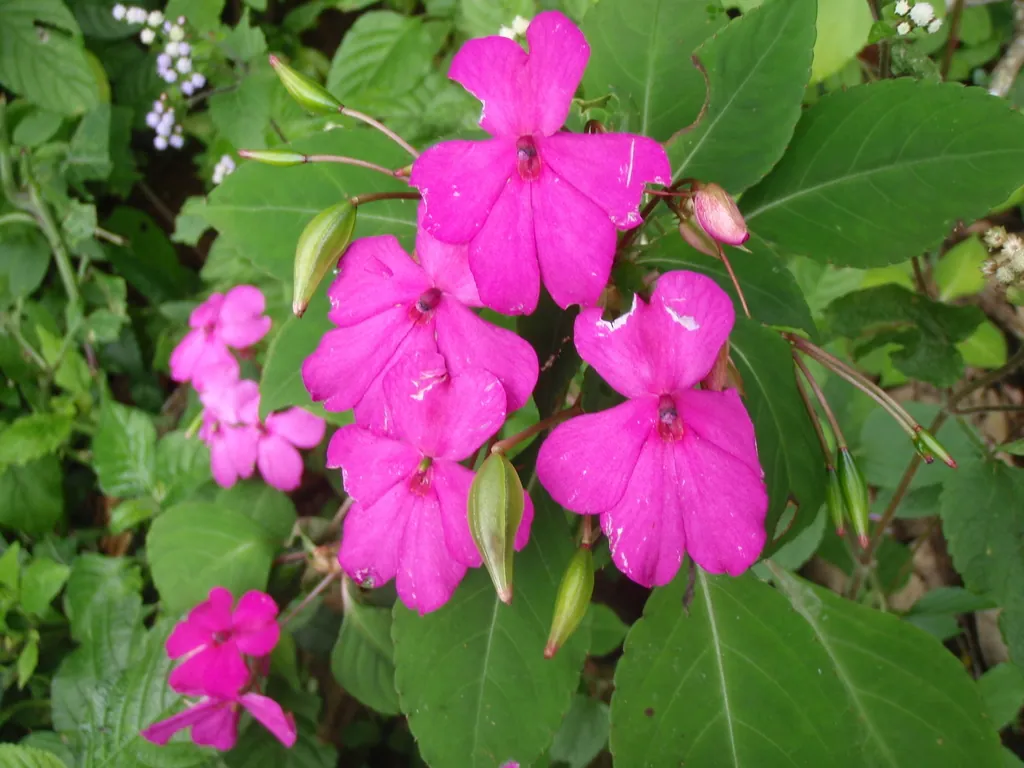
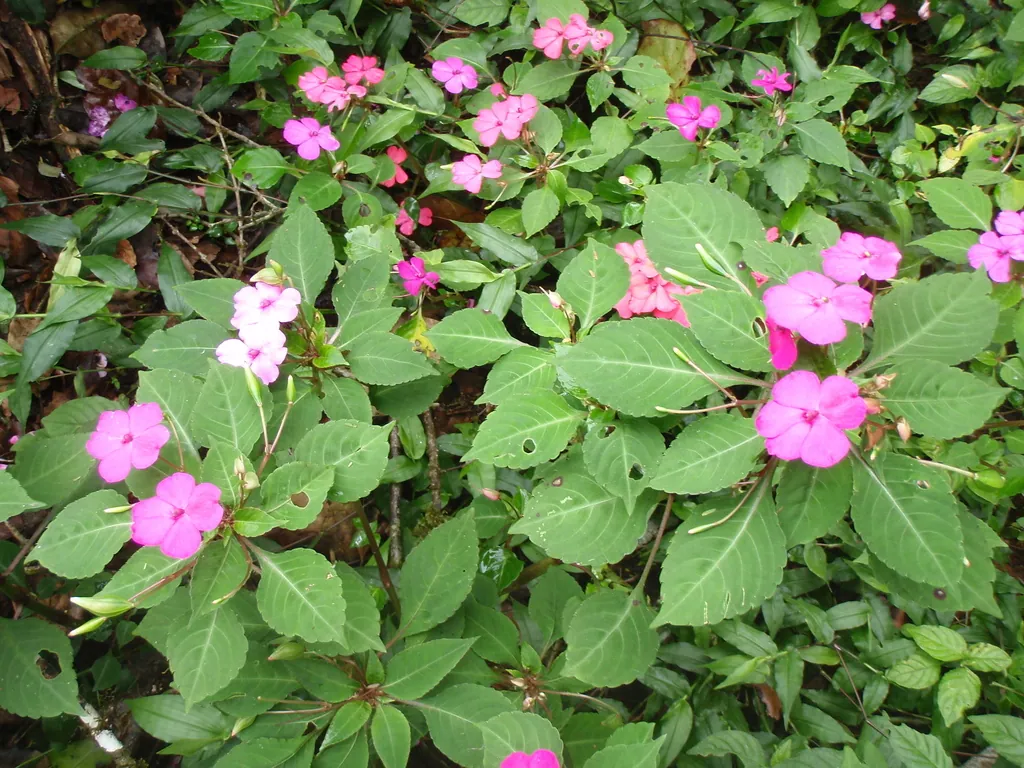

Photo credits and licenses
Real photographs from naturalists and photographers worldwide, each used under its own license. Credit: Photo by Carrie Seltzer / iNaturalist (CC BY) and Photo by Carrie Seltzer / iNaturalist (CC BY). How photos are sourced →

Impatiens
Impatiens walleriana
Impatiens blooms from May through October.
Months here are Northern Hemisphere months; in the Southern Hemisphere, shift them by six months.
Growing Impatiens
Plant it in full shade. It prefers high water. Expect it to reach about 12 in tall and 12 in wide at maturity, in roughly 1 year (not yet checked).
No toxicity note is on file for Impatiens. That is not a clearance: check its safety for people and pets before planting.
What was checked
Mature height and spread, hardiness zones, sun and the trait tags were checked against named botanical sources for this plant. The bloom months and water need on this page were not, and each fact above says which. The planting, spacing and size sections are derived from these checked facts by a fixed rule, not checked separately, and the plant type is the library's own classification.
When to plant Impatiens
Wait until all danger of frost has passed, then plant out Impatiens into warm soil; in most zones that means late spring. Planted then, it flowers from May to October.
Month-by-month timing for your zone is on the planting calendar. Derived from the plant's category, zones and bloom months plus typical zone frost dates, not checked separately.
How big does Impatiens get?
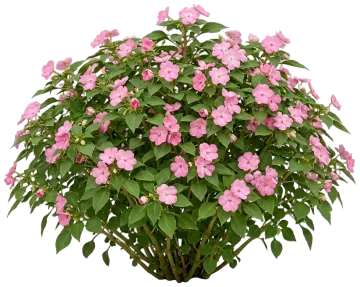 12 intall5 ft 7 inan adult12 inwide
See Impatiens in a garden plan: the planner shows it in 3D beside everything else you add, growing toward this size over the years.
How far apart to plant Impatiens
Derived from the mature spread above by a fixed rule, not checked separately: spacing is the spread, center to center.
Space Impatiens about 12 in apart, center to center, so each plant has room to reach its full width.
Add Impatiens to a garden plan and the planner draws it at its full width, so you see the spacing before you buy.
Where these facts come from
Impatiens' height, spread, hardiness zones, sun and trait tags were checked against 8 published sources on July 30, 2026. Each one is linked below with every fact it carried, which can include a fact this page still marks as not yet checked, because a source carrying a value is not the same as the value being held to the standard. Facts not in that list, and the planting, spacing and size sections, are not covered by these sources.
- NC State ExtensionImpatiens wallerianaheight, spread, hardiness zones, sun and trait tags
- Missouri Botanical GardenImpatiens wallerianaheight, spread, hardiness zones and sun
- Proven WinnersImpatiens walleriana Beacon Bright Redheight, spread, hardiness zones and sun
- Clemson Home and Garden Information CenterImpatiens, including the Impatiens walleriana sectionheight, spread and sun
- Iowa State University ExtensionImpatiens wallerianaheight and sun
- University of Illinois ExtensionImpatiens sp.height and sun
- University of Minnesota ExtensionImpatiensheight and sun
- University of Florida IFASUF/IFAS Gardening Solutions, Florida Master Gardener Volunteer plant I...height
How the checking works, and what each standard covers, is on the verified plants page.
Comes in 11 varieties across 5 colors
Same genus, similar care - pick the color you are growing.
Compare every variety in the Impatiens group
Every figure is the variety's own page fact. Tap a name to open it.
| Variety | Color | Blooms | Hardiness | Sun | Size (H × W) |
|---|---|---|---|---|---|
| Double Rose | Pink | May–Oct | Annual (replant yearly) | Full shade | 12 in × 12 in |
| Impatiensthis page | Pink | May–Oct | Annual (replant yearly) | Full shade | 12 in × 12 in |
| Lavender | Purple | May–Oct | Annual (replant yearly) | Full shade | 12 in × 12 in |
| New Guinea Orange | Orange | May–Oct | Annual (replant yearly) | Part sun | 16 in × 16 in |
| New Guinea Red | Red | May–Oct | Annual (replant yearly) | Part sun | 16 in × 16 in |
| Red | Red | May–Oct | Annual (replant yearly) | Full shade | 12 in × 12 in |
| Rose | Pink | May–Oct | Annual (replant yearly) | Full shade | 12 in × 12 in |
| Salmon | Pink | May–Oct | Annual (replant yearly) | Full shade | 12 in × 12 in |
| Scarlet | Red | May–Oct | Annual (replant yearly) | Full shade | 12 in × 12 in |
| SunPatiens Coral | Orange | May–Oct | Annual (replant yearly) | Part sun | 20 in × 16 in |
| Violet | Purple | May–Oct | Annual (replant yearly) | Full shade | 12 in × 12 in |
| White | White | May–Oct | Annual (replant yearly) | Full shade | 12 in × 12 in |
Good to know about Impatiens
Curated from university extensions, botanic gardens and other primary sources, with the source named on every note. A note reports what its source says; where that differs from a fact above, the fact above is this entry's stored value, and its mark says whether it has been checked.
Worth knowing
The shade, steady moisture and dense planting that make impatiens thrive are the very conditions downy mildew loves, so smart spacing and base watering matter more than pampering it. per Wisconsin
Is classic impatiens worth planting?
Sources split: some call classic walleriana effectively gone from the trade after downy mildew, others still grow it, mainly the resistant Beacon and Imara series or where disease is absent. per Minnesota and Clemson
Downy mildew, the main threat
A water mold, Plasmopara obducens, yellows and curls the leaves, dusts white fuzz on their undersides, then strips the plant bare. Infected plants do not recover. per UMass
Swap in resistant kinds
New Guinea impatiens and its SunPatiens hybrids resist the disease and take more sun; the bred-resistant Beacon and Imara walleriana series bring the classic look back. per University of Maryland
Don't replant in infected soil
Its tough resting spores survive in the soil for years, so bag infected plants for the trash, never compost, and skip that bed a season or two. per UConn
No deadheading needed
It is self-cleaning: it drops its own spent flowers and keeps blooming all season, so you never have to deadhead. An early pinch just makes it bushier. per Illinois
What pairs well with Impatiens
Good companions share its growing conditions and add something it lacks: an earlier or later bloom, a lower carpet in front, or structure through winter.
Azalea
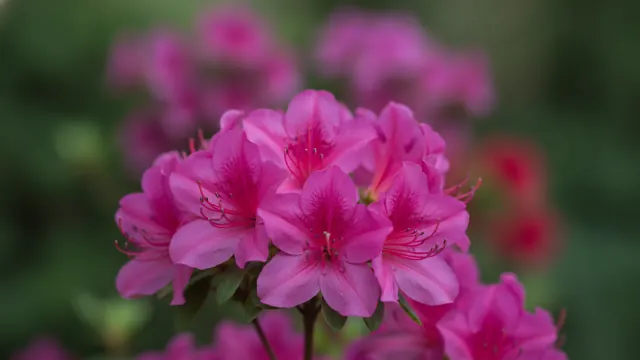
Takes part shade to full shade and moderate to high water; opens in mid spring and overlaps into this one's season; evergreen, so the bed keeps its shape through winter; both offer pollinator forage.
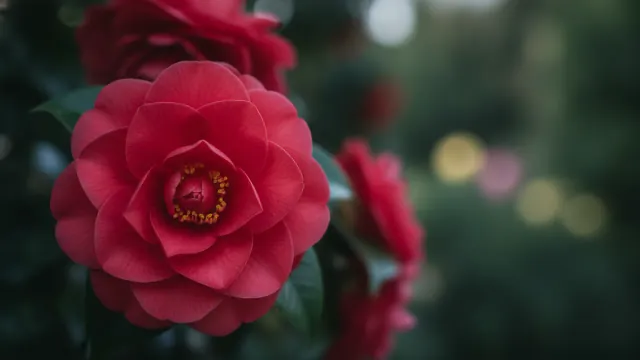
Camellia
Takes part shade to full shade and moderate to high water; blooms in midwinter, before this one opens; both offer pollinator forage, in different months; evergreen, so the bed keeps its shape through winter.
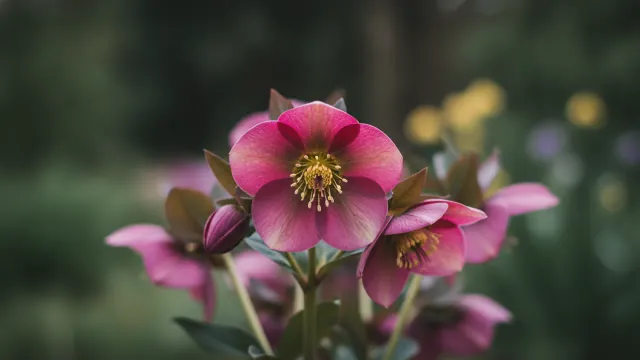
Hellebore
Takes part shade to full shade and moderate to high water; blooms in late winter, before this one opens; evergreen, so the bed keeps its shape through winter; both offer pollinator forage, in different months.
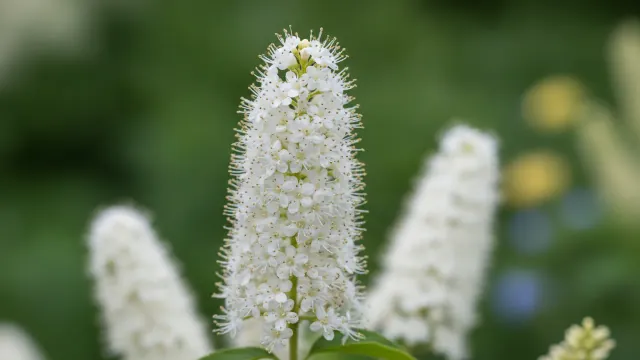
Summersweet
Takes part shade to full shade and high water; both offer pollinator forage; taller at 6 ft, for the layer behind it; its white flowers settle the pink.
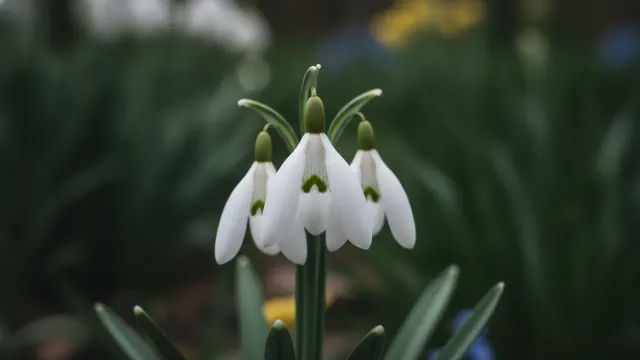
Snowdrop
Takes part shade to full shade and moderate to high water; blooms in late winter, before this one opens; both offer pollinator forage, in different months; lower at 5 in, for the front of the border.
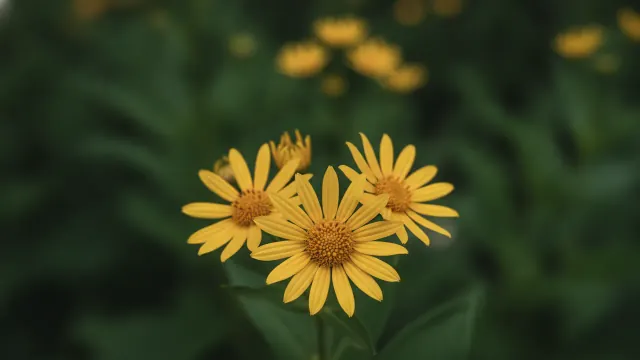
Ligularia
Takes part shade to full shade and high water; both offer pollinator forage; taller at 4 ft, for the layer behind it.
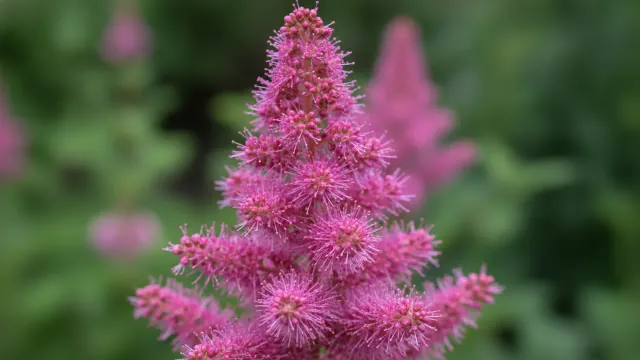
Astilbe
Takes part shade to full shade and high water; both offer pollinator forage; echoes the pink.
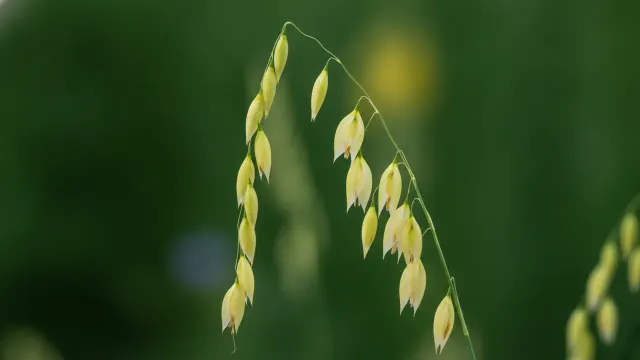
Northern Sea Oats
Takes part shade to full shade and moderate to high water; its seed heads stand through winter, for structure and the birds; taller at 3.5 ft, for the layer behind it.
Featured in these guides
Explore similar plants
You might also like

Design a garden with this
Drop this plant onto a 3D plan, see how it fills in, and watch your whole garden bloom across the year.