
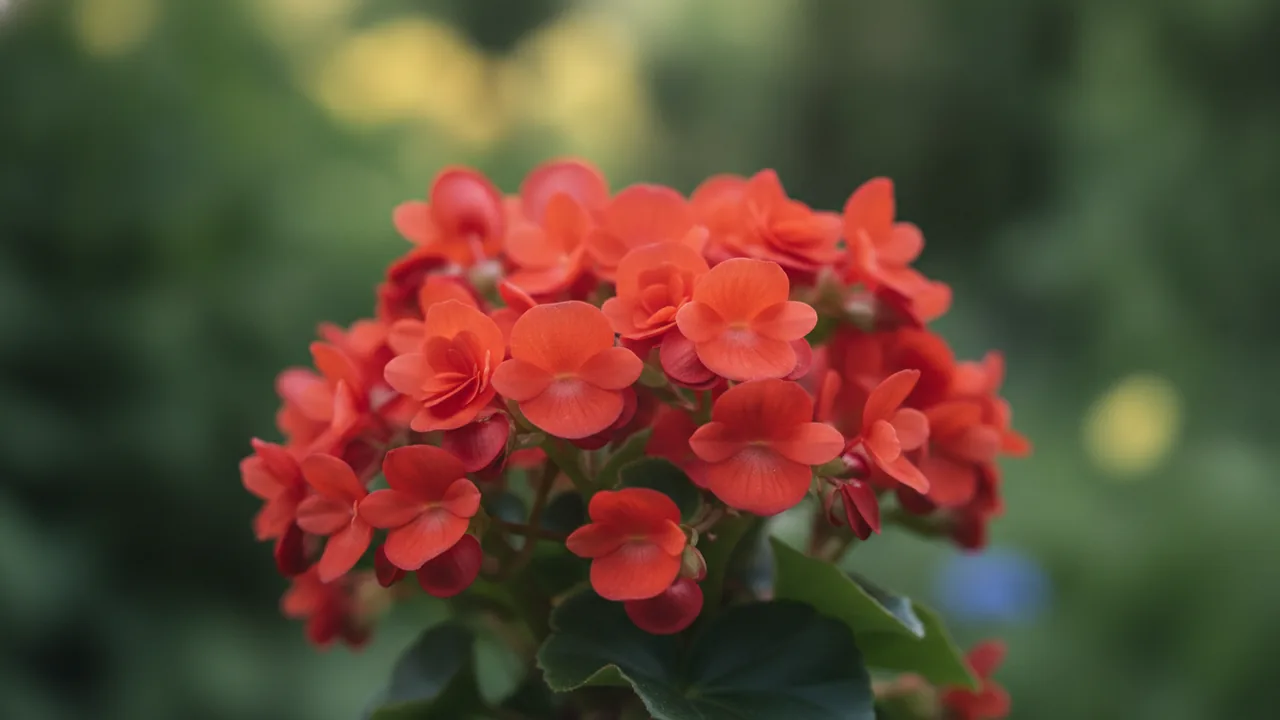
 Illustration

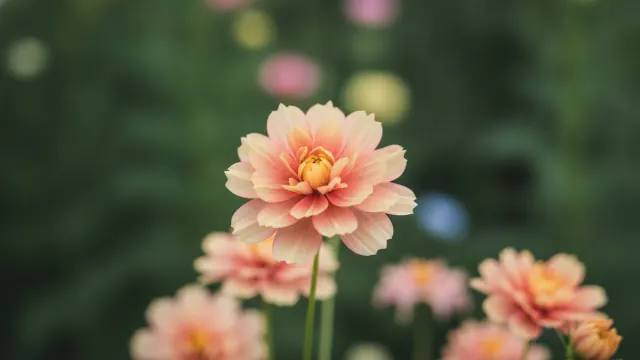
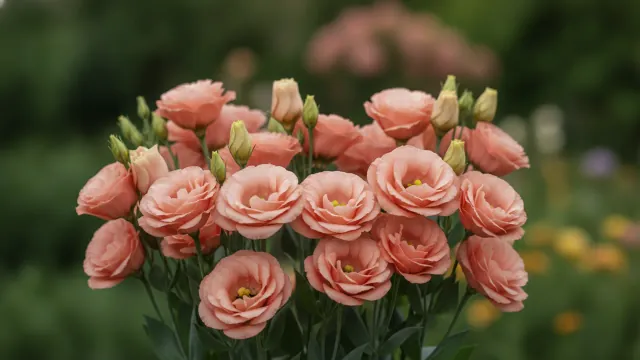
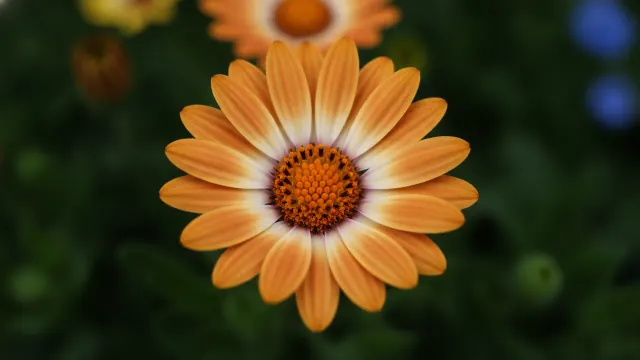
Begonia
Begonia
Also called wax begonia
Begonia blooms from May through October.
Months here are Northern Hemisphere months; in the Southern Hemisphere, shift them by six months.
Growing Begonia
Plant it in part shade. It prefers moderate water. Expect it to reach about 12 in tall and 12 in wide at maturity, in roughly 1 year (not yet checked).
What was checked
Mature height and spread, hardiness zones, sun and the trait tags were checked against named botanical sources for this plant. The bloom months and water need on this page were not, and each fact above says which. The planting, spacing and size sections are derived from these checked facts by a fixed rule, not checked separately, and the plant type is the library's own classification.
When to plant Begonia
Wait until all danger of frost has passed, then plant out Begonia into warm soil; in most zones that means late spring. Planted then, it flowers from May to October.
Month-by-month timing for your zone is on the planting calendar. Derived from the plant's category, zones and bloom months plus typical zone frost dates, not checked separately.
How big does Begonia get?
 12 intall5 ft 7 inan adult12 inwide
See Begonia in a garden plan: the planner shows it in 3D beside everything else you add, growing toward this size over the years.
How far apart to plant Begonia
Derived from the mature spread above by a fixed rule, not checked separately: spacing is the spread, center to center.
Space Begonia about 12 in apart, center to center, so each plant has room to reach its full width.
Add Begonia to a garden plan and the planner draws it at its full width, so you see the spacing before you buy.
Where these facts come from
Begonia's height, spread, hardiness zones, sun and trait tags were checked against 14 published sources on July 29, 2026. Each one is linked below with every fact it carried, which can include a fact this page still marks as not yet checked, because a source carrying a value is not the same as the value being held to the standard. Facts not in that list, and the planting, spacing and size sections, are not covered by these sources.
- Missouri Botanical Gardenheight, spread, hardiness zones, sun and trait tags
- Missouri Botanical Gardenheight, spread, hardiness zones, sun and trait tags
- Missouri Botanical Gardenheight, spread, hardiness zones, sun and trait tags
- NC State ExtensionPlant Toolboxheight, spread, hardiness zones, sun and trait tags
- Proven Winnersheight, spread, hardiness zones, sun and trait tags
- Missouri Botanical Gardenheight, spread, hardiness zones and sun
- NC State ExtensionPlant Toolboxheight, spread, hardiness zones and sun
- NC State ExtensionPlant Toolboxheight, spread, hardiness zones and sun
- NC State ExtensionPlant Toolboxheight, spread, hardiness zones and sun
- Clemson Home and Garden Information CenterClemson Cooperative Extension Home & Garden Information Centerheight, sun and trait tags
- University of Illinois ExtensionHort Answersheight and sun
- University of Illinois ExtensionFlowersheight and sun
- University of Illinois ExtensionFlowersheight and sun
- University of Minnesota Extensionheight and sun
How the checking works, and what each standard covers, is on the verified plants page.
Comes in 8 varieties across 3 colors
Same genus, similar care - pick the color you are growing.
- Big Rose
- Bonfire
- Dragon Wing Pink
- Dragon Wing Red
- Nonstop Rose
- Wax Begonia Pink
- Wax Begonia Red
- Wax Begonia White
Compare every variety in the Begonia group
Every figure is the variety's own page fact. Tap a name to open it.
| Variety | Color | Blooms | Hardiness | Sun | Size (H × W) |
|---|---|---|---|---|---|
| Begoniathis page | Pink | May–Oct | Annual (replant yearly) | Part shade | 12 in × 12 in |
| Big Rose | Pink | May–Oct | Annual (replant yearly) | Part shade | 24 in × 20 in |
| Bonfire | Orange | Jun–Oct | Annual (replant yearly) | Part shade | 16 in × 20 in |
| Dragon Wing Pink | Pink | May–Oct | Annual (replant yearly) | Part shade | 20 in × 16 in |
| Dragon Wing Red | Red | May–Oct | Annual (replant yearly) | Part shade | 20 in × 16 in |
| Nonstop Rose | Pink | Jun–Sep | Annual (replant yearly) | Part shade | 12 in × 12 in |
| Wax Begonia Pink | Pink | May–Oct | Annual (replant yearly) | Part shade | 12 in × 12 in |
| Wax Begonia Red | Red | May–Oct | Annual (replant yearly) | Part shade | 12 in × 12 in |
| Wax Begonia White | White | May–Oct | Annual (replant yearly) | Part shade | 12 in × 12 in |
Good to know about Begonia
Curated from university extensions, botanic gardens and other primary sources, with the source named on every note. A note reports what its source says; where that differs from a fact above, the fact above is this entry's stored value, and its mark says whether it has been checked.
Safety
Toxic to dogs, cats and horses. The calcium oxalates sit mainly in the roots and tubers, causing mouth irritation, drooling and vomiting, and kidney failure in grazing horses. per ASPCA and NC State
Worth knowing
One lever fixes the two worst begonia problems: the overwatering and poor drainage that rot roots and stems also feed gray mold. Water at the base into fast-draining soil. per Penn State and Minnesota
Sun depends on leaf color
Bronze-leaved wax types take full sun; green-leaved ones scorch and want morning sun with afternoon shade. In hot-summer gardens lean shadier; in cool climates more sun is fine. per Clemson and NC State
Bees, not butterflies
Despite the 'attracts butterflies' label, a replicated trial saw too few butterfly visits to score. Begonias mainly draw bees, wasps and hoverflies, and value varies threefold by cultivar. per NC State and Entomological Society
Frost-tender annual
Frost kills wax and tuberous begonias, so they are grown as warm-season annuals almost everywhere. Plant out only after the last frost, once the soil warms; cold soil stunts them. per Illinois
Deer and rabbit resistant
Deer and rabbits seldom browse begonias, so they suit gardens with grazing pressure. As with any 'deer resistant' plant, very hungry animals may still sample them. per NC State and Clemson
Blooms to frost, self-cleaning
Wax begonias flower nonstop from late spring to frost with no deadheading; the spent blooms drop on their own. That easy, continuous color is the main reason to plant them. per NC State
What pairs well with Begonia
Good companions share its growing conditions and add something it lacks: an earlier or later bloom, a lower carpet in front, or structure through winter.
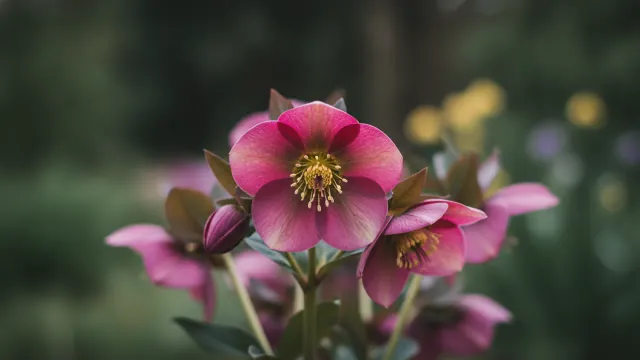
Hellebore
Shares part shade and moderate water; blooms in late winter, before this one opens; evergreen, so the bed keeps its shape through winter; echoes the pink.
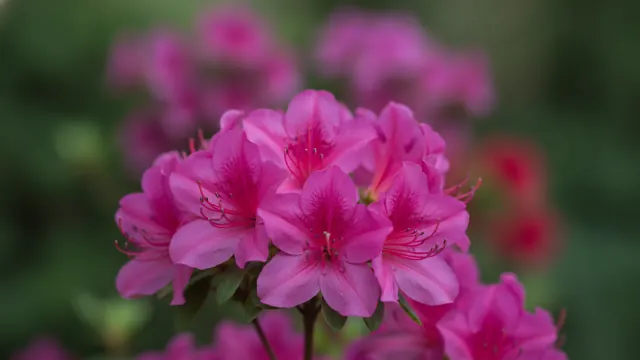
Azalea
Shares part shade and moderate water; opens in mid spring and overlaps into this one's season; evergreen, so the bed keeps its shape through winter; taller at 4 ft, for the layer behind it.
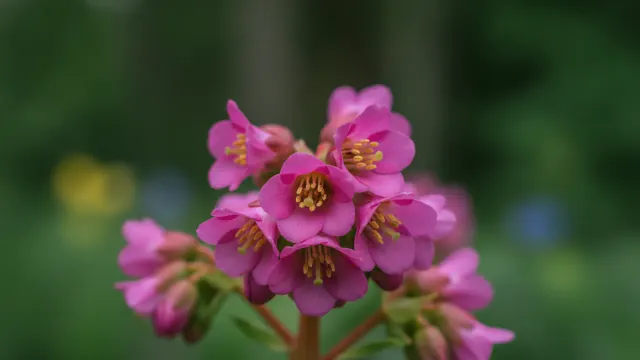
Bergenia
Takes part sun to part shade and moderate water; opens in mid spring and overlaps into this one's season; evergreen, so the bed keeps its shape through winter; echoes the pink.
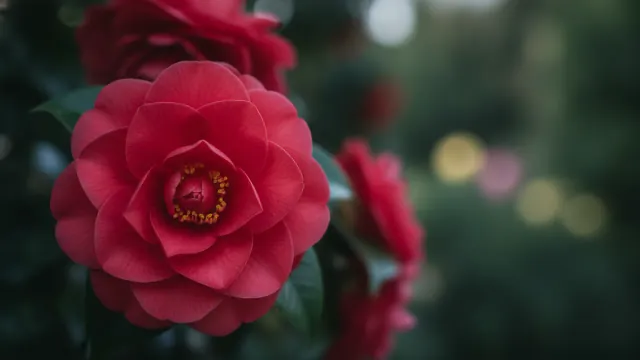
Camellia
Shares part shade and moderate water; blooms in midwinter, before this one opens; evergreen, so the bed keeps its shape through winter; stands well above at 6.5 ft, a canopy to plant beneath.
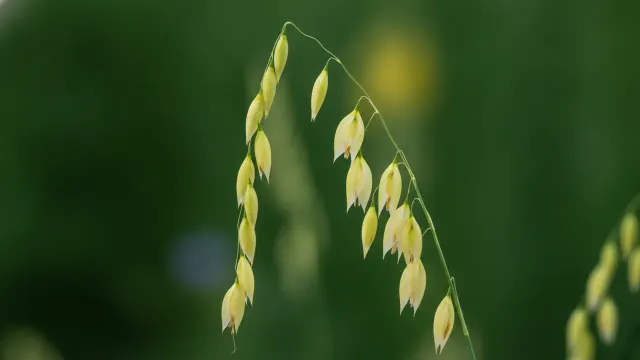
Northern Sea Oats
Shares part shade and moderate water; its seed heads stand through winter, for structure and the birds; taller at 3.5 ft, for the layer behind it.
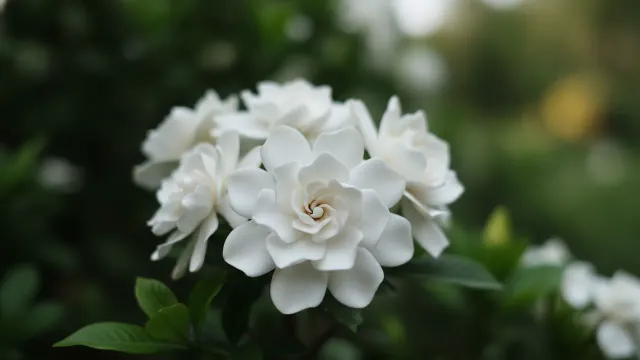
Gardenia
Takes part sun to part shade and moderate to high water; evergreen, so the bed keeps its shape through winter; taller at 4 ft, for the layer behind it; its white flowers settle the pink.
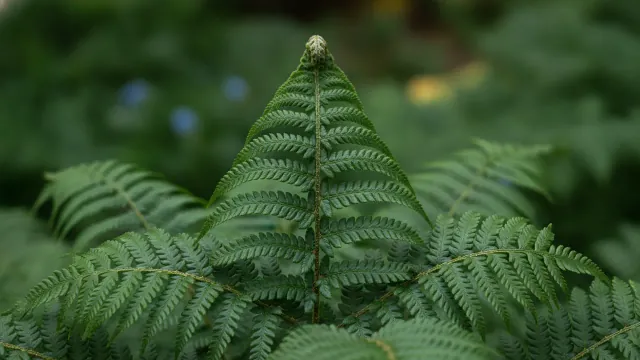
Christmas Fern
Takes part shade to full shade and moderate water; evergreen, so the bed keeps its shape through winter.
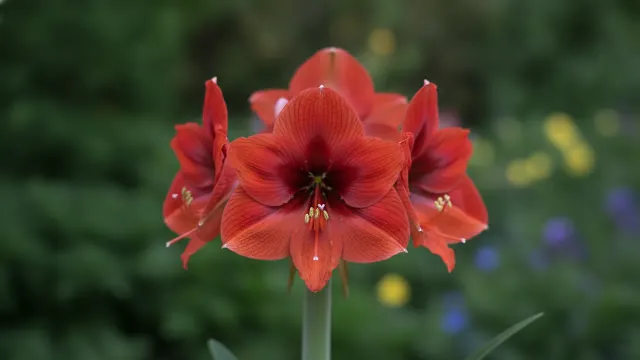
Amaryllis
Takes part sun to part shade and moderate water; blooms in early spring, before this one opens; red sits close to pink on the wheel.
Featured in these guides
Explore similar plants
You might also like
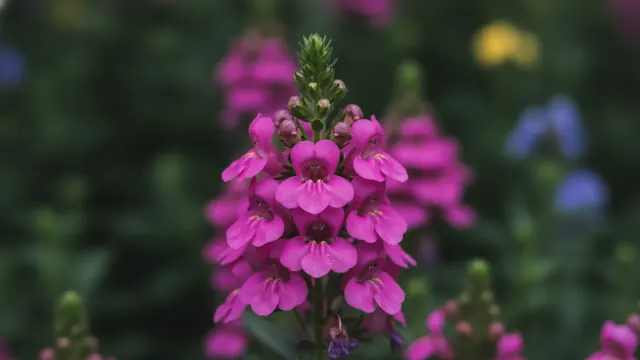
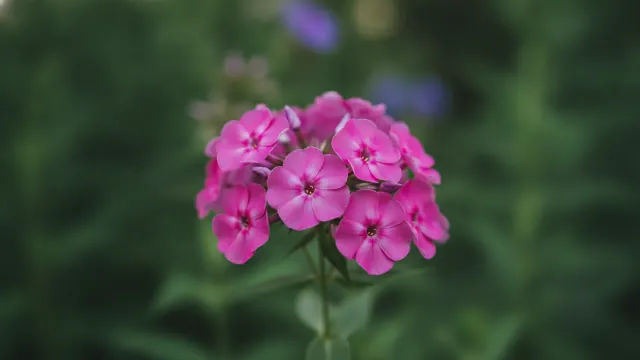
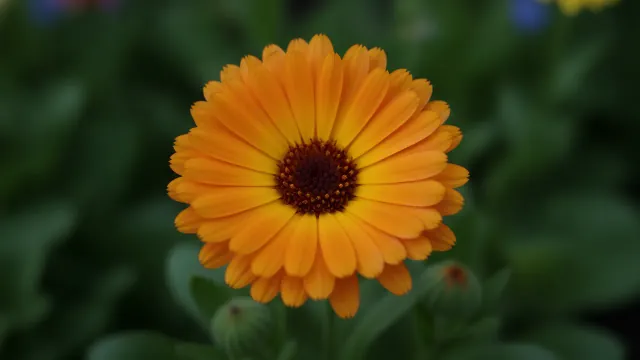
Design a garden with this
Drop this plant onto a 3D plan, see how it fills in, and watch your whole garden bloom across the year.