
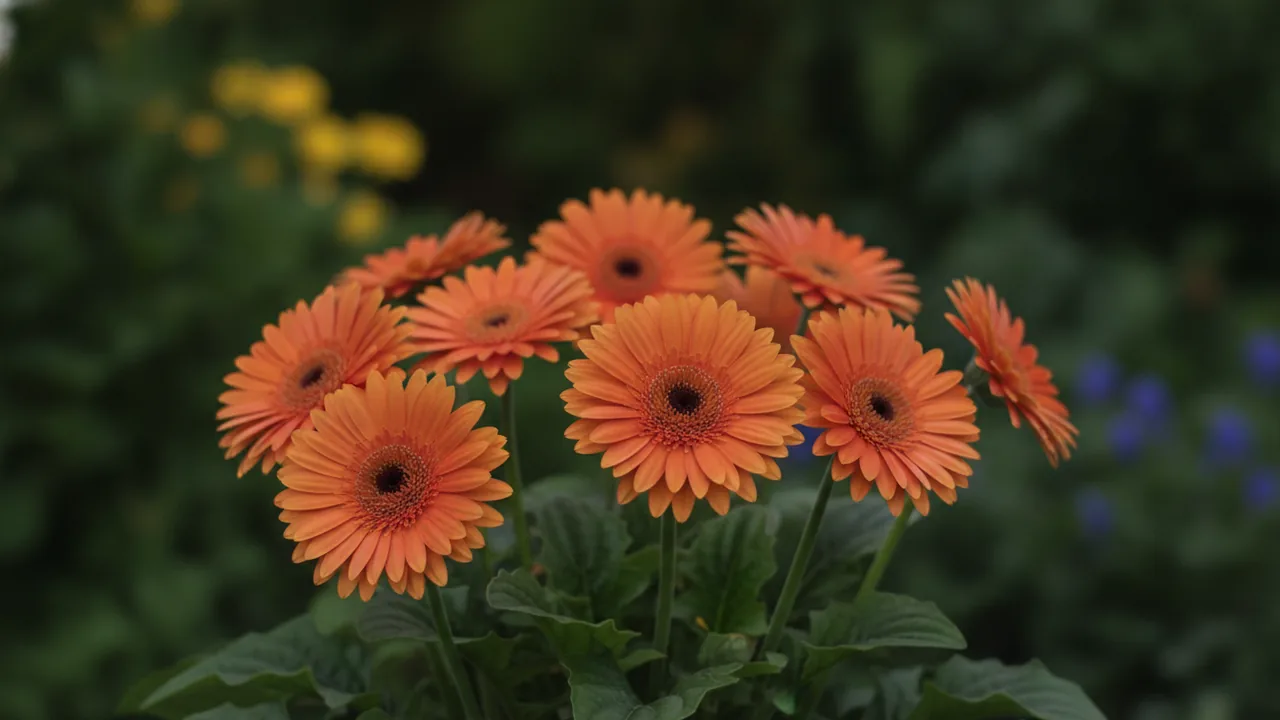
 Illustration

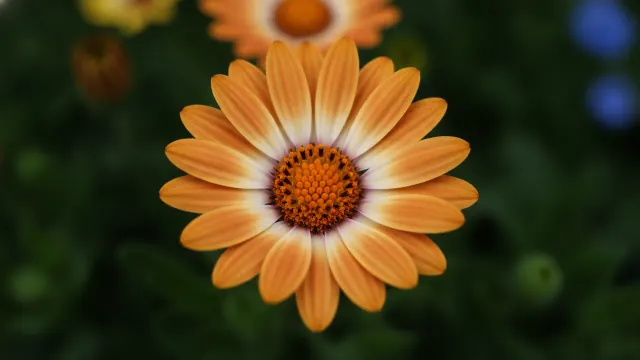
Gerbera Daisy
Gerbera jamesonii
Gerbera Daisy blooms from May through September.
Months here are Northern Hemisphere months; in the Southern Hemisphere, shift them by six months.
Growing Gerbera Daisy
Plant it in full sun. It prefers moderate water. It is hardy in USDA zones 8–11. Expect it to reach about 12 in tall and 12 in wide at maturity, in roughly 1 year (not yet checked).
What was checked
Mature height and spread, hardiness zones, sun and the trait tags were checked against named botanical sources for this plant. The bloom months and water need on this page were not, and each fact above says which. The planting, spacing and size sections are derived from these checked facts by a fixed rule, not checked separately, and the plant type is the library's own classification.
When to plant Gerbera Daisy
Wait until all danger of frost has passed, then plant out Gerbera Daisy into warm soil; in most zones that means late spring. Planted then, it flowers from May to September.
Month-by-month timing for your zone is on the planting calendar; if you garden near zone 9, the middle of this plant's hardy range, start with zone 9 in February. Derived from the plant's category, zones and bloom months plus typical zone frost dates, not checked separately.
How big does Gerbera Daisy get?
 12 intall5 ft 7 inan adult12 inwide
See Gerbera Daisy in a garden plan: the planner shows it in 3D beside everything else you add, growing toward this size over the years.
How far apart to plant Gerbera Daisy
Derived from the mature spread above by a fixed rule, not checked separately: spacing is the spread, center to center.
Space Gerbera Daisy about 12 in apart, center to center, so each plant has room to reach its full width.
Add Gerbera Daisy to a garden plan and the planner draws it at its full width, so you see the spacing before you buy.
Where these facts come from
Gerbera Daisy's height, spread, hardiness zones, sun and trait tags were checked against 8 published sources on July 30, 2026. Each one is linked below with every fact it carried, which can include a fact this page still marks as not yet checked, because a source carrying a value is not the same as the value being held to the standard. Facts not in that list, and the planting, spacing and size sections, are not covered by these sources.
- Clemson Home and Garden Information CenterGerbera daisy, Gerbera jamesoniiheight, spread, hardiness zones, sun and trait tags
- depts.ttu.eduTexas Tech University Plant Database, Herbaceous Plant Finder (Gerbera...height, spread, hardiness zones, sun and trait tags
- NC State ExtensionGerbera jamesoniiheight, spread, hardiness zones, sun and trait tags
- Proven WinnersGerbera jamesonii Joybera Orange, a named cultivarheight, spread, hardiness zones, sun and trait tags
- Missouri Botanical GardenGerbera jamesoniiheight, spread, hardiness zones and sun
- RHSGerbera jamesoniiheight, spread, sun and trait tags
- University of Florida IFASUF/IFAS Extension Gardening Solutions (Gerbera daisy, Gerbera jamesonii)height, sun and trait tags
- SANBI PlantZAfricaGerbera jamesoniisun and trait tags
How the checking works, and what each standard covers, is on the verified plants page.
Comes in 6 varieties across 4 colors
Same plant, same care - pick the color you are growing.
Compare every variety in the Gerbera Daisy group
Every figure is the variety's own page fact. Tap a name to open it.
| Variety | Color | Blooms | Hardiness | Sun | Size (H × W) |
|---|---|---|---|---|---|
| Coral Gerbera | Orange | May–Sep | Zones 8–11 | Full sun | 12 in × 12 in |
| Deep Rose Gerbera | Pink | May–Sep | Zones 8–11 | Full sun | 12 in × 12 in |
| Gerberathis page | Orange | May–Sep | Zones 8–11 | Full sun | 12 in × 12 in |
| Pink Gerbera | Pink | May–Sep | Zones 8–11 | Full sun | 12 in × 12 in |
| Red Gerbera | Red | May–Sep | Zones 8–11 | Full sun | 12 in × 12 in |
| White Gerbera | White | May–Sep | Zones 8–11 | Full sun | 12 in × 12 in |
| Yellow Gerbera | Yellow | May–Sep | Zones 8–11 | Full sun | 12 in × 12 in |
Good to know about Gerbera Daisy
Curated from university extensions, botanic gardens and other primary sources, with the source named on every note. A note reports what its source says; where that differs from a fact above, the fact above is this entry's stored value, and its mark says whether it has been checked.
Worth knowing
The one make-or-break step: keep the crown (where stems meet roots) at soil level, never buried. A buried crown traps moisture and rots the plant. per NC State and Clemson
Bloom may pause in heat
Sources split: NC State sees peak bloom in spring and fall with a hot-summer lull, while others call it continuous. In hot climates, expect a midsummer pause. per NC State and Clemson
Premier cut flower
One of the world's top cut flowers. The single big head on a long straight stem lasts well in a vase and makes it a florist staple. per Clemson and University of Florida
Prone to iron deficiency
Feed lightly, but watch new leaves: gerbera is prone to iron and manganese deficiency, which yellows the leaf between green veins. A micronutrient feed or foliar spray fixes it. per Clemson and NC State
Safe around pets
Non-toxic to dogs, cats and horses. Just don't confuse it with mums (chrysanthemum), a look-alike daisy the ASPCA does list as toxic. per ASPCA and NC State
Usually grown as an annual
Frost-tender: grown as a warm-season annual across most of the US. Florist pot plants are notoriously hard to rebloom and are often tossed after the first flush. per Iowa State and Clemson
What pairs well with Gerbera Daisy
Good companions share its growing conditions and add something it lacks: an earlier or later bloom, a lower carpet in front, or structure through winter.
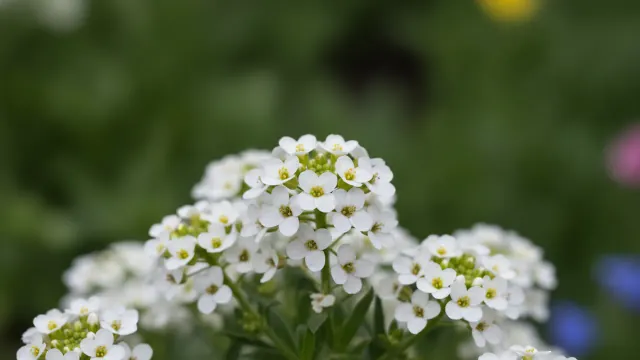
Candytuft
Shares full sun and low to moderate water; opens in mid spring and overlaps into this one's season; evergreen, so the bed keeps its shape through winter; lower at 10 in, for the front of the border.
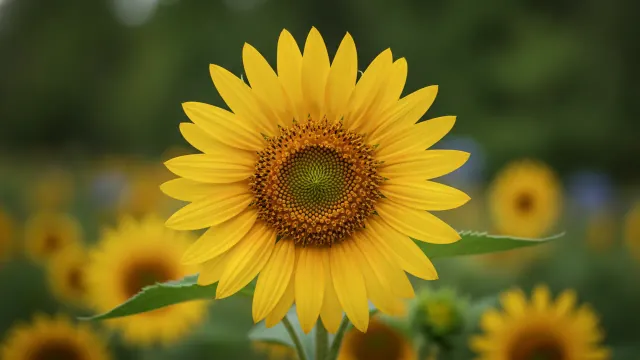
Perennial Sunflower
Shares full sun and moderate water; overlaps, then carries the display into mid fall; its seed heads stand through winter, for structure and the birds; taller at 5 ft, for the layer behind it.
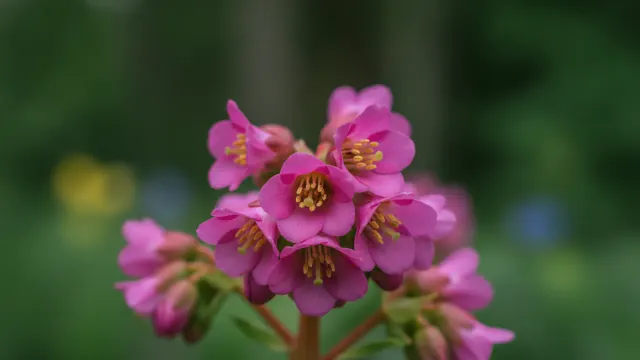
Bergenia
Takes full sun to part sun and moderate water; opens in mid spring and overlaps into this one's season; evergreen, so the bed keeps its shape through winter.
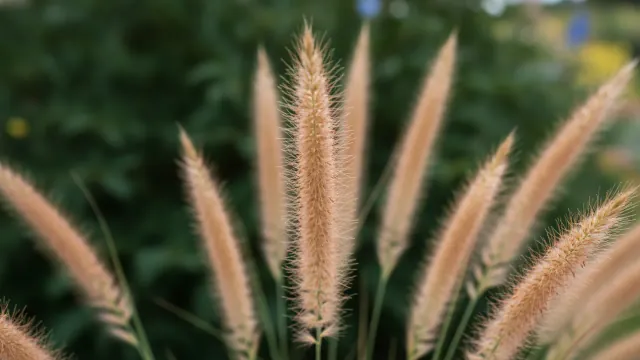
Fountain Grass
Shares full sun and low to moderate water; overlaps, then carries the display into mid fall; its seed heads stand through winter, for structure and the birds; taller at 3.5 ft, for the layer behind it.
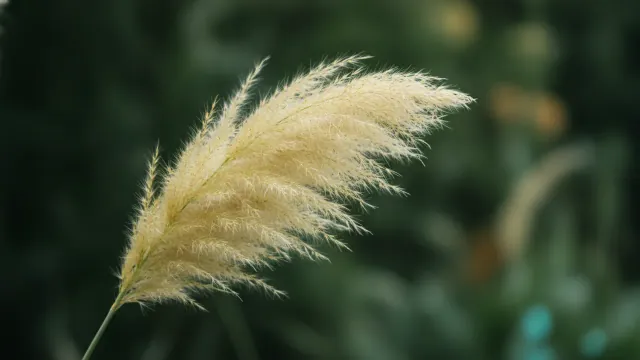
Pampas Grass
Shares full sun and low to moderate water; overlaps, then carries the display into mid fall; its seed heads stand through winter, for structure and the birds; stands well above at 8 ft, a canopy to plant beneath.
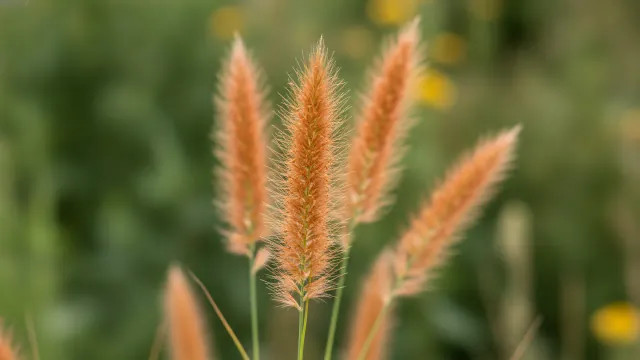
Little Bluestem
Shares full sun and low to moderate water; its seed heads stand through winter, for structure and the birds; taller at 3.5 ft, for the layer behind it; blue against orange, for contrast.
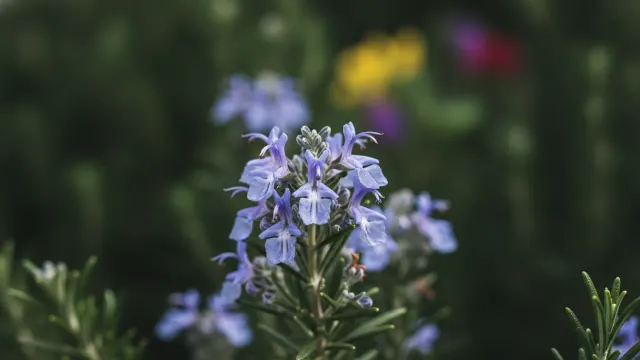
Rosemary
Shares full sun and low to moderate water; opens in early spring and overlaps into this one's season; evergreen, so the bed keeps its shape through winter; taller at 3.5 ft, for the layer behind it.
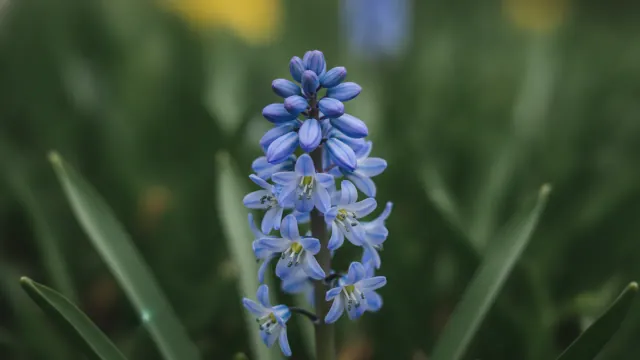
Siberian Squill
Shares full sun and moderate water; blooms in early spring, before this one opens; lower at 6 in, for the front of the border; blue against orange, for contrast.
Explore similar plants
You might also like
Design a garden with this
Drop this plant onto a 3D plan, see how it fills in, and watch your whole garden bloom across the year.