
 Illustration

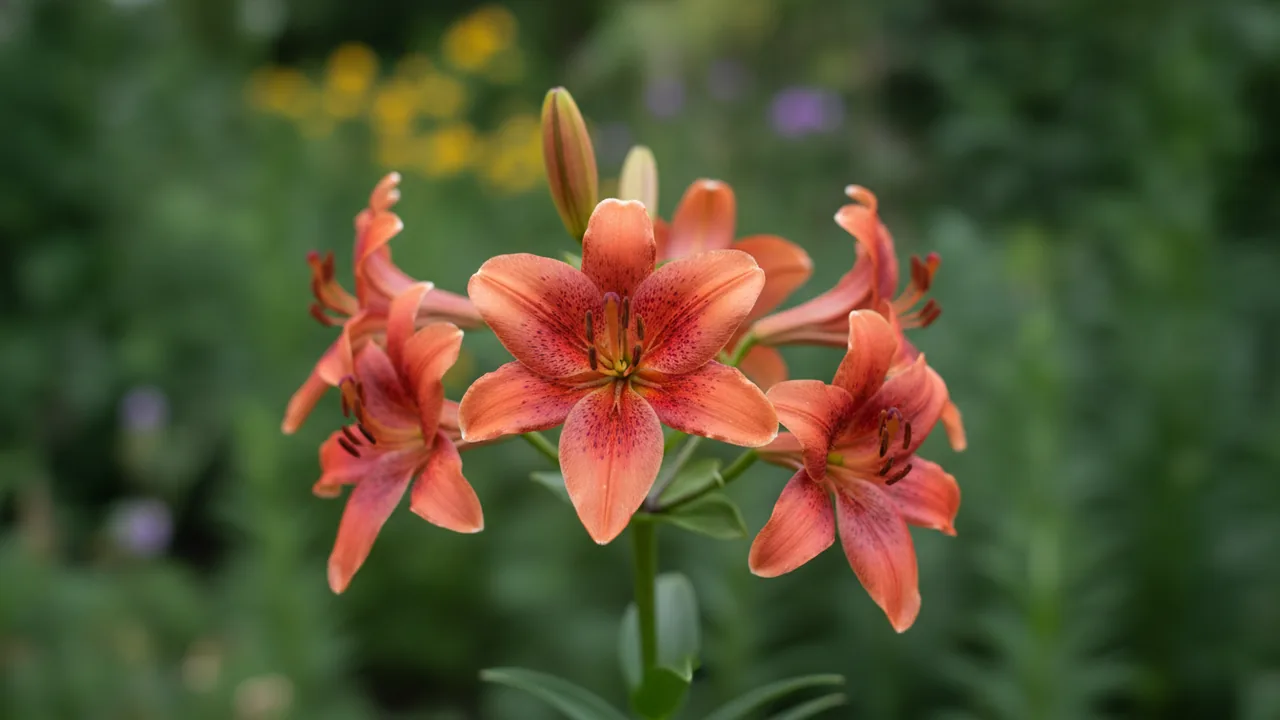
Asiatic Lily
Lilium
Asiatic Lily blooms from June through July.
Months here are Northern Hemisphere months; in the Southern Hemisphere, shift them by six months.
Growing Asiatic Lily
Plant it in full sun. It prefers moderate water. It is hardy in USDA zones 3–8. Expect it to reach about 3.5 ft tall and 1 ft wide at maturity, in roughly 2 years (not yet checked).
What was checked
Mature height and spread, hardiness zones, sun and the trait tags were checked against named botanical sources for this plant. The bloom months and water need on this page were not, and each fact above says which. The planting, spacing and size sections are derived from these checked facts by a fixed rule, not checked separately, and the plant type is the library's own classification.
When to plant Asiatic Lily
Asiatic Lily is a hardy bulb with two planting windows: fall is ideal, and early spring is a close second. In zone 5, the middle of its hardy zones 3 to 8, that means September or October, or April or May in spring. It blooms from June to July.
Month-by-month timing for your zone is on the planting calendar; if you garden near zone 5, the middle of this plant's hardy range, start with zone 5 in September. Derived from the plant's category, zones and bloom months plus typical zone frost dates, not checked separately.
How big does Asiatic Lily get?
 3.5 fttall5 ft 7 inan adult1 ftwide
See Asiatic Lily in a garden plan: the planner shows it in 3D beside everything else you add, growing toward this size over the years.
Where these facts come from
Asiatic Lily's height, spread, hardiness zones, sun and trait tags were checked against 8 published sources on July 30, 2026. Each one is linked below with every fact it carried, which can include a fact this page still marks as not yet checked, because a source carrying a value is not the same as the value being held to the standard. Facts not in that list, and the planting, spacing and size sections, are not covered by these sources.
- Missouri Botanical GardenLilium 'Connecticut King', an Asiatic hybridheight, spread, hardiness zones, sun and trait tags
- NC State ExtensionLilium, the genus entryheight, spread, hardiness zones, sun and trait tags
- costafarms.comCosta Farms plant finder (Lily, Asiatic)height, hardiness zones, sun and trait tags
- NC State ExtensionLilium - Asiatic hybridsheight, hardiness zones, sun and trait tags
- RHSRoyal Horticultural Society (Lilium Asiatic hybrids (I))height, spread, sun and trait tags
- jungseed.comJ.W. Jung Seed Company garden guide (Asiatic Hybrid Lilies)height, hardiness zones and sun
- Longfield Gardensthe Lilium genushardiness zones, sun and trait tags
- University of Illinois ExtensionPlant of the Week: Asiatic Liliestrait tags
How the checking works, and what each standard covers, is on the verified plants page.
4 more colors in the Lilies group
Same genus, similar care - pick the one you are growing.
Compare every variety in the Lilies group
Every figure is the variety's own page fact. Tap a name to open it.
| Variety | Color | Blooms | Hardiness | Sun | Size (H × W) |
|---|---|---|---|---|---|
| Asiaticthis page | Orange | Jun–Jul | Zones 3–8 | Full sun | 3.5 ft × 1 ft |
| Easter | White | Jun–Jul | Zones 5–8 | Full sun | 3 ft × 1 ft |
| Oriental | Pink | Jul–Aug | Zones 4–9 | Full sun | 3.5 ft × 1 ft |
| Tiger | Orange | Jul–Aug | Zones 3–9 | Full sun | 4 ft × 1 ft |
| Trumpet | White | Jul–Aug | Zones 4–9 | Full sun | 4.5 ft × 1 ft |
Good to know about Asiatic Lily
Curated from university extensions, botanic gardens and other primary sources, with the source named on every note. A note reports what its source says; where that differs from a fact above, the fact above is this entry's stored value, and its mark says whether it has been checked.
Safety
Every part is deadly to cats: eating a few bites, licking pollen from fur, or drinking vase water can cause fatal kidney failure. Harmless to dogs. per ASPCA and Frontiers in Veterinary Science
Worth knowing
Asiatic hybrids open the lily season, usually the first to bloom, and carry the widest color range of any lily group. Uniquely among lilies, they are essentially scentless. per NC State
Zone 3 or zone 4?
One NC State page lists a cautious zone 4 floor, but its genus page and Minnesota Extension both grow Asiatics reliably in zone 3. Mulch new bulbs. per NC State and University of Minnesota
Red lily leaf beetle
A bright red beetle, about 1/4 in long, and its excrement-covered larvae chew leaves, buds and stems and can strip a plant. Handpick into soapy water. per Wisconsin
Wet soil rots the bulb
The bulb has no protective skin and rots in soggy ground, so drainage matters more than watering. Amend heavy beds with organic matter or use a raised bed. per NC State
Beetle spares daylilies
The beetle breeds only on true lilies and Fritillaria; it ignores daylilies, canna and calla lilies. For the lily look without it, plant a look-alike instead. per University of Maine
Draws bees and butterflies
The flowers draw bees, butterflies and hummingbirds, but the scentless Asiatics are a moderate draw rather than a top-tier pollinator plant. per NC State
What pairs well with Asiatic Lily
Good companions share its growing conditions and add something it lacks: an earlier or later bloom, a lower carpet in front, or structure through winter.
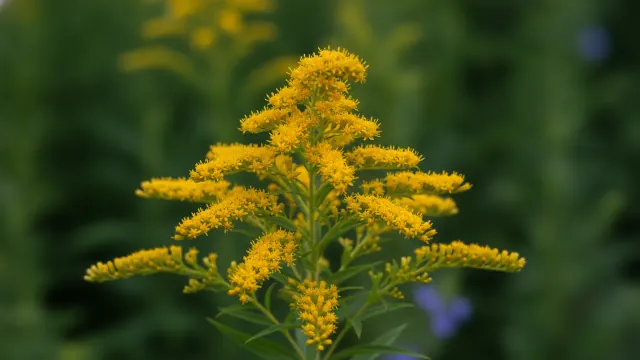
Goldenrod
Shares full sun and low to moderate water; blooms in late summer as this one finishes; both offer pollinator forage, in different months; its seed heads stand through winter, for structure and the birds.
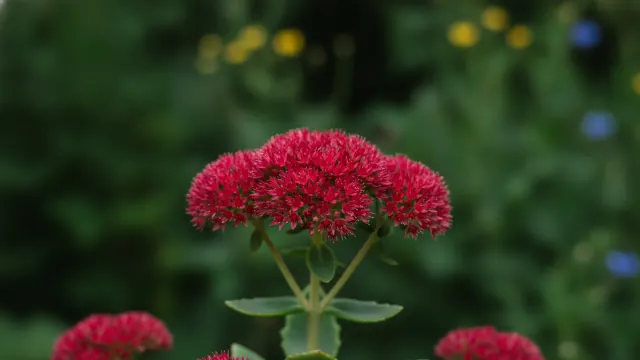
Autumn Joy Sedum
Shares full sun and low to moderate water; blooms in late summer as this one finishes; both offer pollinator forage, in different months; its seed heads stand through winter, for structure and the birds.
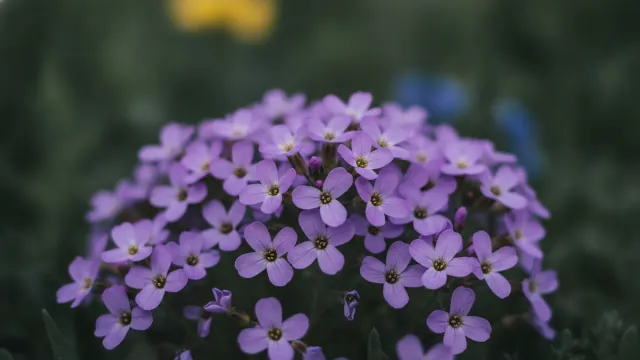
Rock Cress
Shares full sun and low to moderate water; blooms in mid spring, before this one opens; low at 4 in, to carpet the ground beneath; evergreen, so the bed keeps its shape through winter.
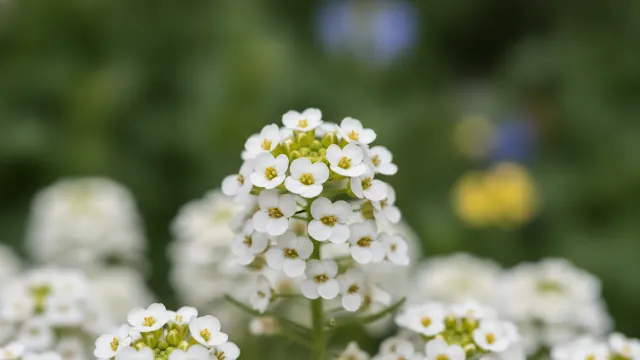
Sweet Alyssum
Shares full sun and moderate water; overlaps, then carries the display into mid fall; low at 5 in, to carpet the ground beneath; both offer pollinator forage.
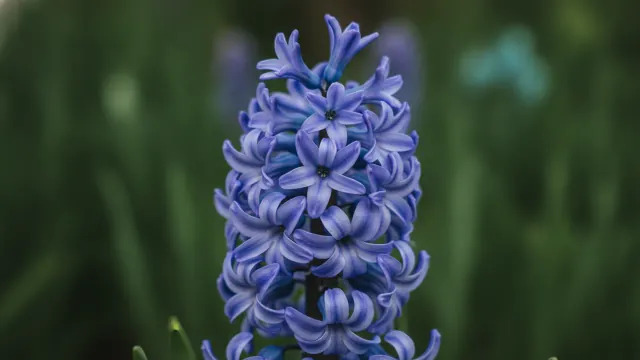
Hyacinth
Shares full sun and moderate water; blooms in early spring, before this one opens; lower at 10 in, for the front of the border; both offer pollinator forage, in different months.
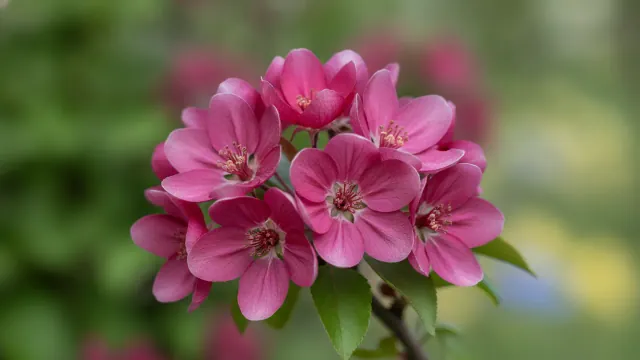
Flowering Crabapple
Shares full sun and moderate water; blooms in mid spring, before this one opens; both offer pollinator forage, in different months; taller at 20 ft, for the layer behind it.

Windflower
Takes full sun to part sun and moderate water; blooms in early spring, before this one opens; low at 6 in, to carpet the ground beneath; both offer pollinator forage, in different months.
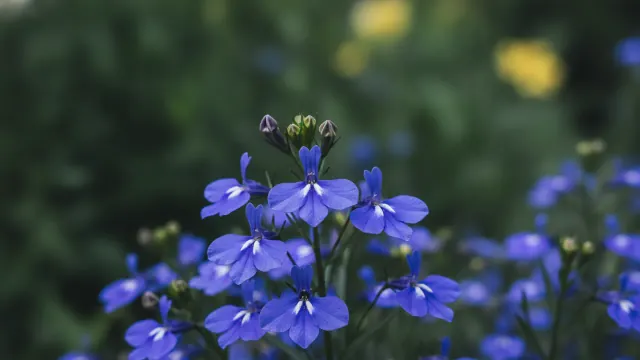
Lobelia
Takes full sun to part sun and moderate water; lower at 8 in, for the front of the border; overlaps, then carries the display into early fall; both offer pollinator forage.
Featured in these guides
Explore similar plants
You might also like
Design a garden with this
Drop this plant onto a 3D plan, see how it fills in, and watch your whole garden bloom across the year.