
 Illustration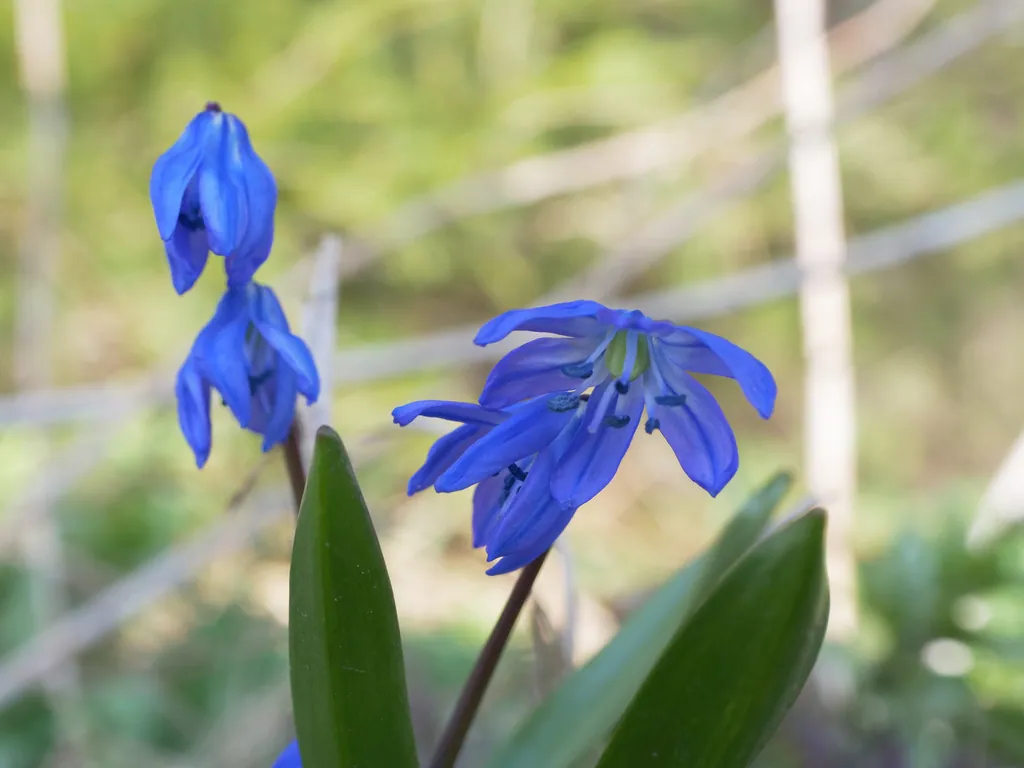
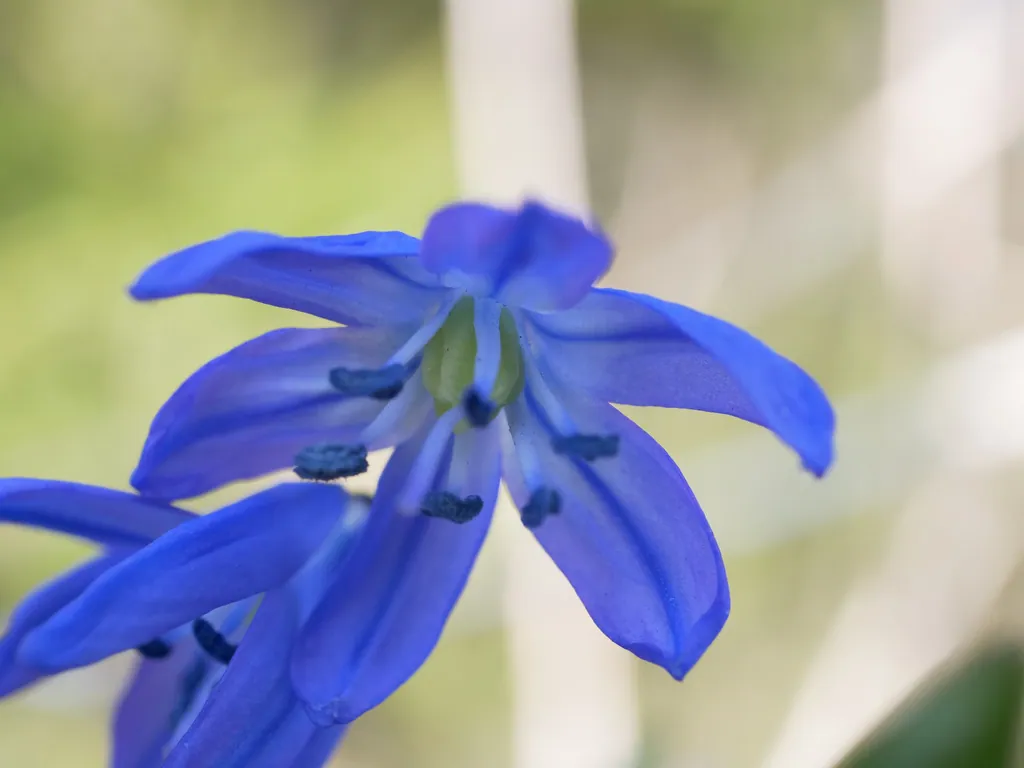
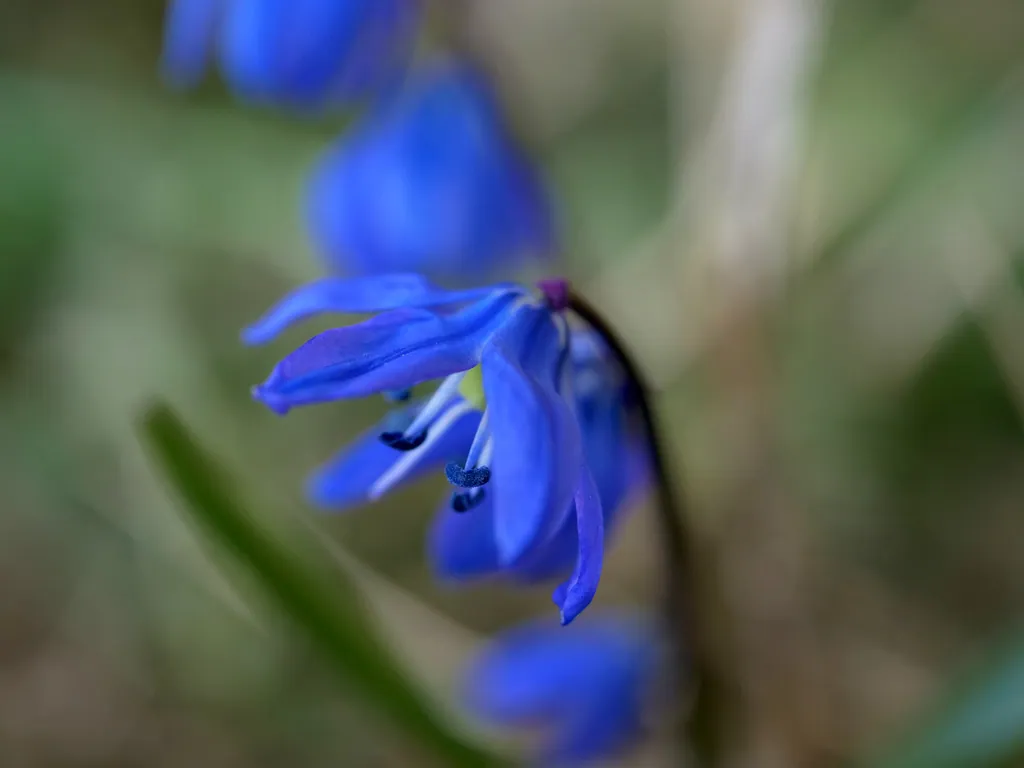

Photo credits and licenses
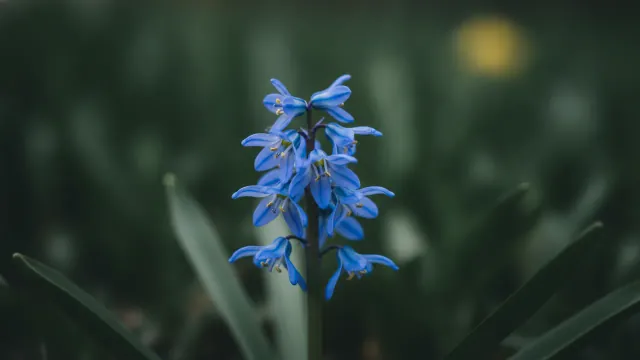
Real photographs from naturalists and photographers worldwide, each used under its own license. Credit: Photo by Wolfgang Jauch / iNaturalist (CC BY), Photo by Wolfgang Jauch / iNaturalist (CC BY) and Photo by Wolfgang Jauch / iNaturalist (CC BY). How photos are sourced →

Glory of the Snow
Scilla
Glory of the Snow blooms from March through March.
Months here are Northern Hemisphere months; in the Southern Hemisphere, shift them by six months.
Growing Glory of the Snow
Plant it in full sun. It prefers moderate water. It is hardy in USDA zones 3–8. Expect it to reach about 5 in tall and 3 in wide at maturity, in roughly 1 year (not yet checked).
What was checked
Mature height and spread, hardiness zones, sun and the trait tags were checked against named botanical sources for this plant. The bloom months and water need on this page were not, and each fact above says which. The planting, spacing and size sections are derived from these checked facts by a fixed rule, not checked separately, and the plant type is the library's own classification.
When to plant Glory of the Snow
Glory of the Snow is a fall-planted bulb: get it in the ground 6 to 8 weeks before the ground freezes, typically September or October in zone 5, the middle of its hardy zones 3 to 8. It pays you back the following March.
Month-by-month timing for your zone is on the planting calendar; if you garden near zone 5, the middle of this plant's hardy range, start with zone 5 in September. Derived from the plant's category, zones and bloom months plus typical zone frost dates, not checked separately.
How big does Glory of the Snow get?
 5 intall5 ft 7 inan adult3 inwide
See Glory of the Snow in a garden plan: the planner shows it in 3D beside everything else you add, growing toward this size over the years.
Where these facts come from
Glory of the Snow's height, spread, hardiness zones, sun and trait tags were checked against 8 published sources on July 30, 2026. Each one is linked below with every fact it carried, which can include a fact this page still marks as not yet checked, because a source carrying a value is not the same as the value being held to the standard. Facts not in that list, and the planting, spacing and size sections, are not covered by these sources.
- Missouri Botanical GardenChionodoxa forbesiiheight, spread, hardiness zones, sun and trait tags
- Missouri Botanical GardenChionodoxa luciliaeheight, spread, hardiness zones, sun and trait tags
- NC State ExtensionScilla luciliae, formerly Chionodoxa luciliaeheight, spread, hardiness zones, sun and trait tags
- University of Wisconsin HorticultureGlory-of-the-Snow, Chionodoxa forbesiiheight, hardiness zones, sun and trait tags
- Chicago Botanic GardenScilla luciliae, glory of the snowheight, hardiness zones and sun
- Van EngelenThe Glorious Chionodoxa Mixture, a genus-level mixtureheight, hardiness zones and sun
- Longfield GardensAll About Chionodoxa, the genushardiness zones and sun
- NC State ExtensionScilla, the genus entrytrait tags
How the checking works, and what each standard covers, is on the verified plants page.
Comes in 4 varieties across 3 colors
Same genus, similar care - pick the color you are growing.
Compare every variety in the Glory of the Snow group
Every figure is the variety's own page fact. Tap a name to open it.
| Variety | Color | Blooms | Hardiness | Sun | Size (H × W) |
|---|---|---|---|---|---|
| Alba | White | Mar | Zones 3–8 | Full sun | 5 in × 3 in |
| Blue Giant | Blue | Mar | Zones 3–8 | Full sun | 6 in × 3 in |
| Glory of thethis page | Blue | Mar | Zones 3–8 | Full sun | 5 in × 3 in |
| Pink Giant | Pink | Mar | Zones 3–8 | Full sun | 6 in × 3 in |
| Violet Beauty | Purple | Mar | Zones 3–8 | Full sun | 5 in × 3 in |
Good to know about Glory of the Snow
Curated from university extensions, botanic gardens and other primary sources, with the source named on every note. A note reports what its source says; where that differs from a fact above, the fact above is this entry's stored value, and its mark says whether it has been checked.
Safety
All parts are poisonous. NC State rates the genus high-severity to humans: eating it can bring mouth pain, nausea, vomiting, cramping, diarrhea and a slowed heartbeat. per NC State
Worth knowing
One toxin does triple duty: the cardiac glycosides that make every part poisonous are also why deer will not browse it and why rodents leave the bulbs alone. per NC State and Toxins
Naturalizer or invasive risk?
NC State says it naturalizes freely but is not invasive. Its genus-mate Siberian squill is flagged invasive by Minnesota. Near wild land, deadhead to contain it. per NC State and University of Minnesota
Blooms through lingering snow
It is named for opening so early that flowers push up while snow still lingers, among the first bulbs alongside crocus and winter aconite. per Wisconsin
Early bee forage
One of the first bulbs to bloom, it feeds overwintered and newly emerged bees at a time when little else is open. per NC State and University of Illinois
Naturalizes into blue carpets
It spreads two ways at once, by bulb offsets and self-sown seed that ants help scatter, building blue carpets under trees and in lawns. per NC State
Tolerates black walnut
It is unaffected by juglone, so it can grow under black walnut trees, where many other plants fail. per Wisconsin
What pairs well with Glory of the Snow
Good companions share its growing conditions and add something it lacks: an earlier or later bloom, a lower carpet in front, or structure through winter.
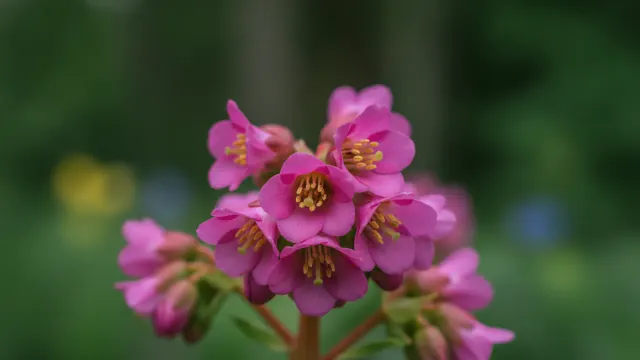
Bergenia
Takes full sun to part sun and moderate water; blooms in mid spring as this one finishes; leafs out to hide the ripening bulb foliage as it dies back; evergreen, so the bed keeps its shape through winter.
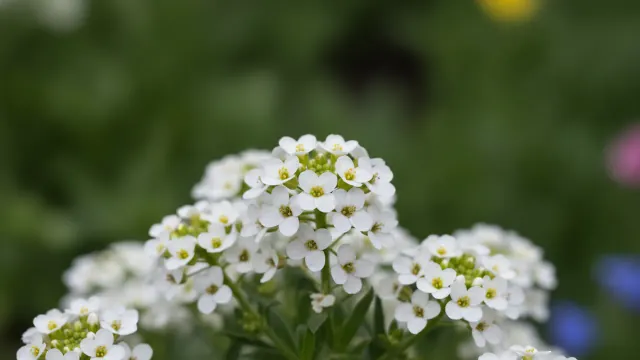
Candytuft
Shares full sun and low to moderate water; blooms in mid spring as this one finishes; leafs out to hide the ripening bulb foliage as it dies back; evergreen, so the bed keeps its shape through winter.

Sneezeweed
Shares full sun and moderate water; blooms in midsummer, extending the bed's season; stands well above at 3.5 ft, a canopy to plant beneath; its seed heads stand through winter, for structure and the birds.
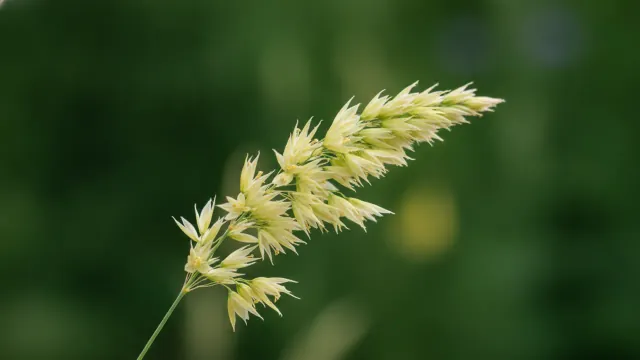
Blue Oat Grass
Shares full sun and low to moderate water; leafs out to hide the ripening bulb foliage as it dies back; blooms in early summer, extending the bed's season; evergreen, so the bed keeps its shape through winter.

Feather Reed Grass
Shares full sun and moderate water; blooms in early summer, extending the bed's season; stands well above at 5 ft, a canopy to plant beneath; its seed heads stand through winter, for structure and the birds.

Little Bluestem
Shares full sun and low to moderate water; blooms in late summer, extending the bed's season; stands well above at 3.5 ft, a canopy to plant beneath; its seed heads stand through winter, for structure and the birds.

Boxwood
Shares full sun and moderate water; stands well above at 4 ft, a canopy to plant beneath; evergreen, so the bed keeps its shape through winter.
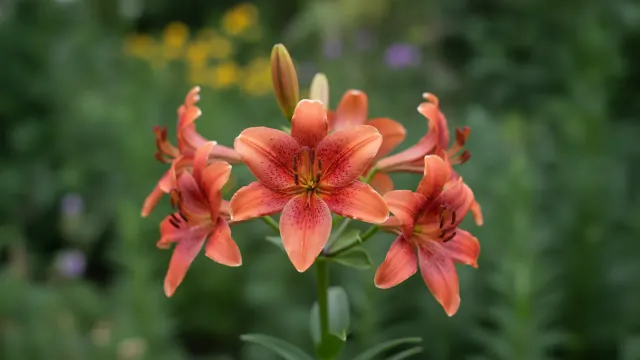
Asiatic Lily
Shares full sun and moderate water; blooms in early summer, extending the bed's season; stands well above at 3.5 ft, a canopy to plant beneath; orange against blue, for contrast.
Featured in these guides
Explore similar plants
You might also like
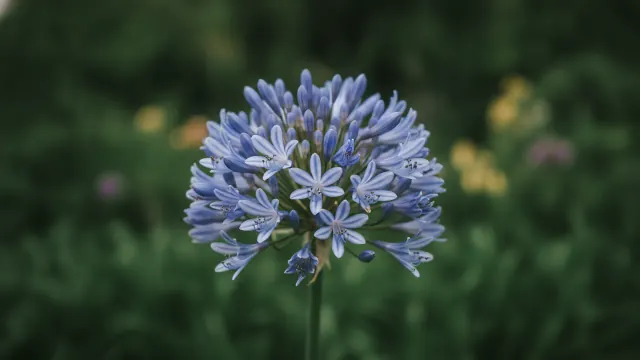



Design a garden with this
Drop this plant onto a 3D plan, see how it fills in, and watch your whole garden bloom across the year.