
 Illustration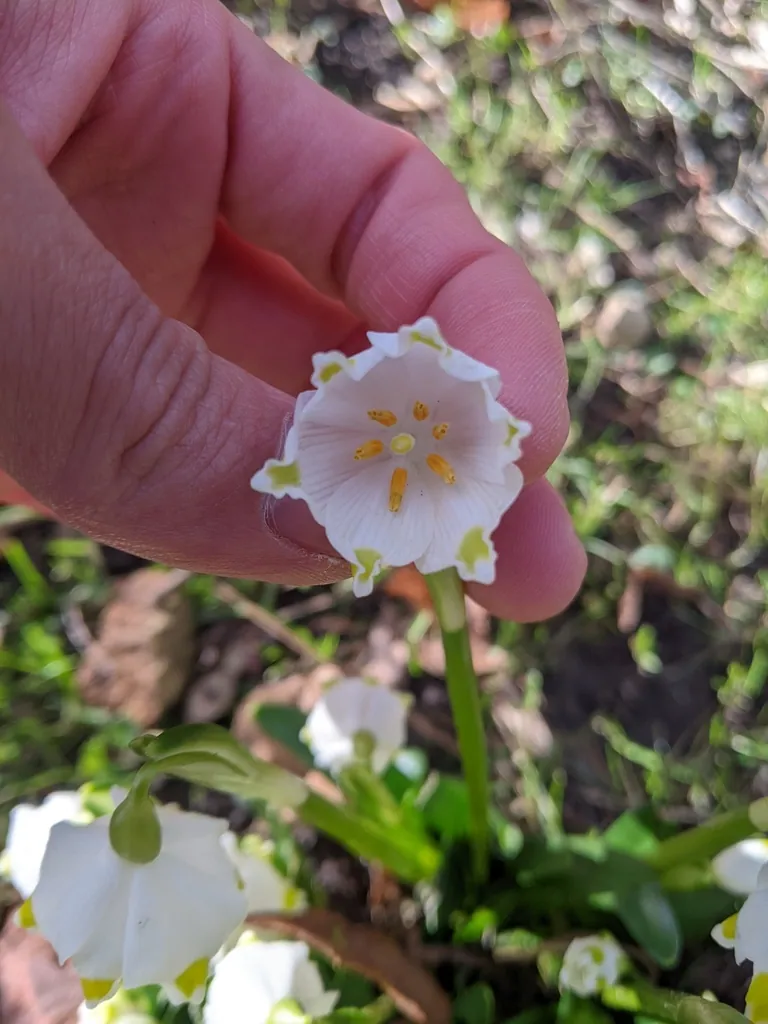
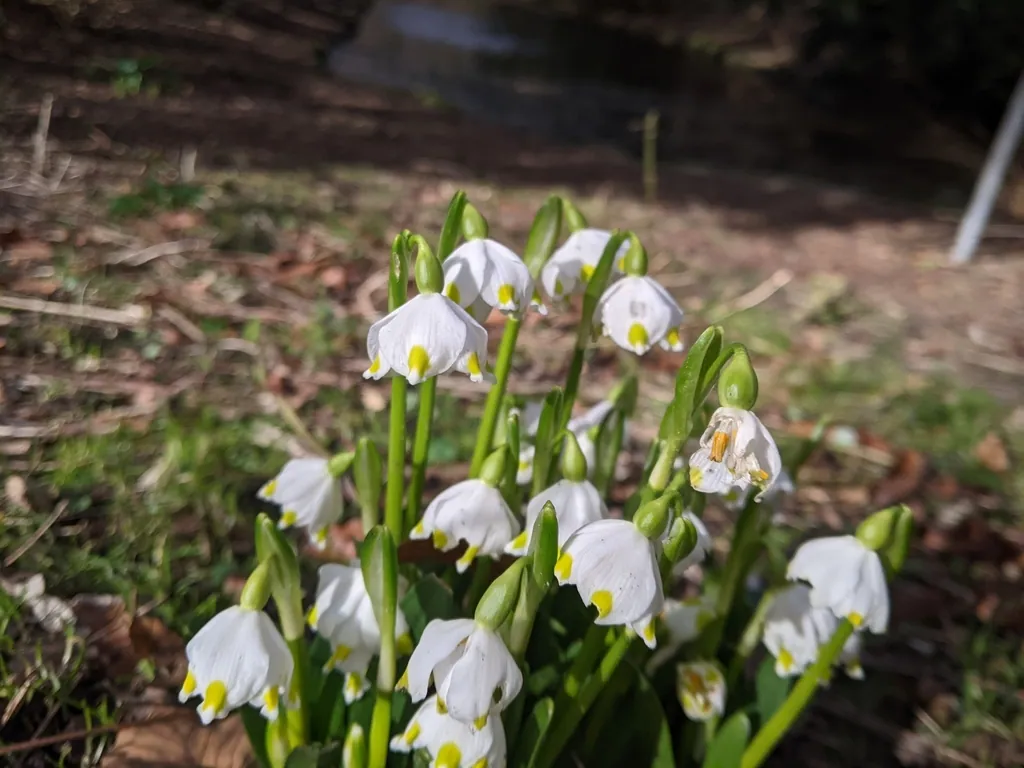
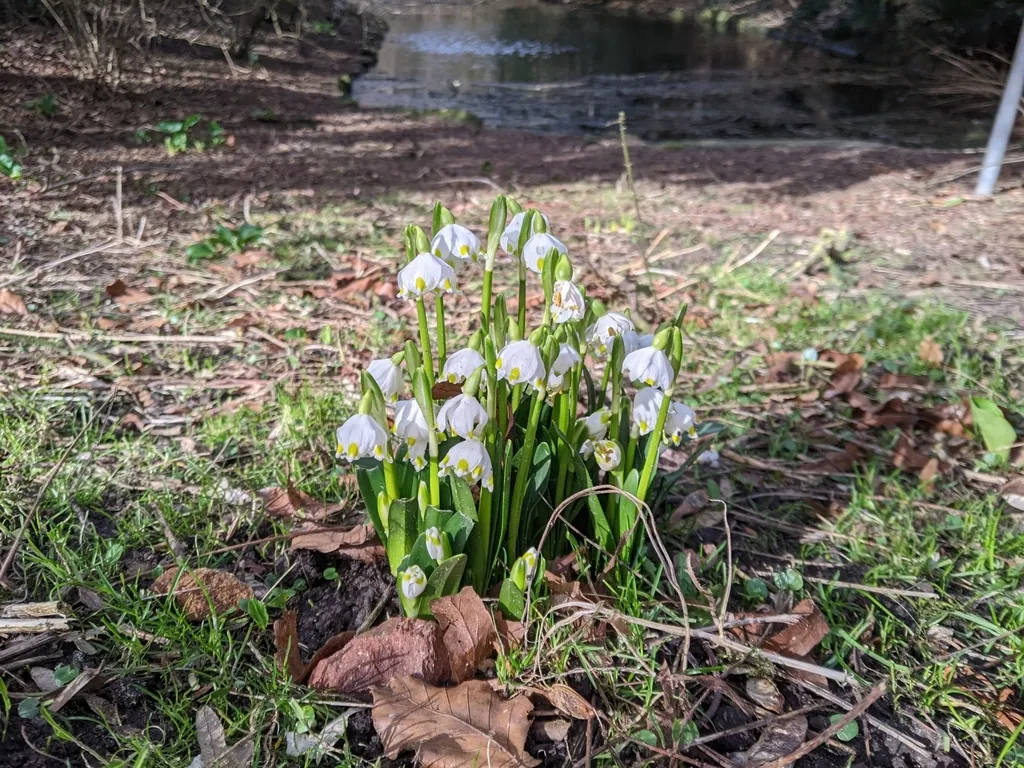
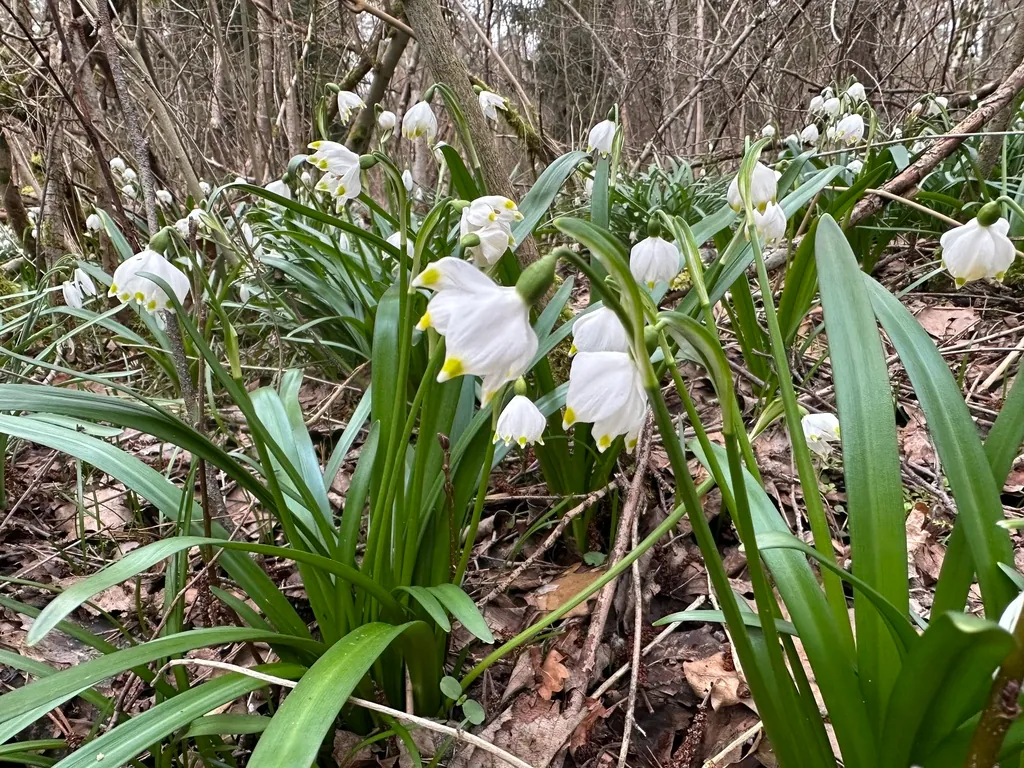
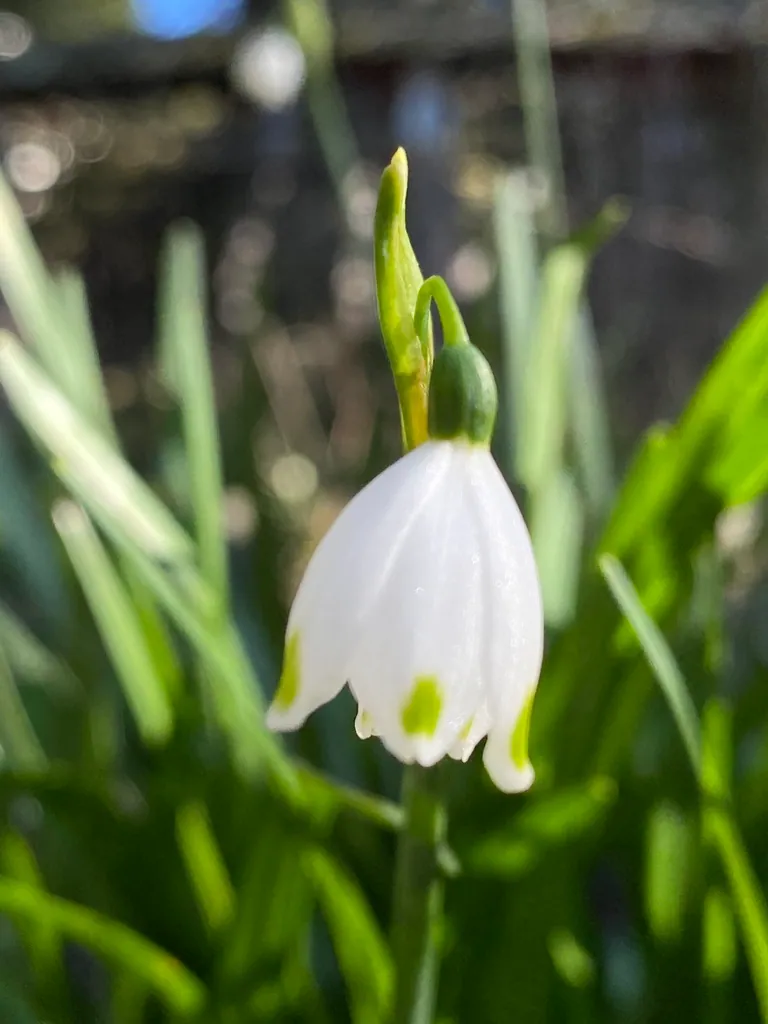

Photo credits and licenses
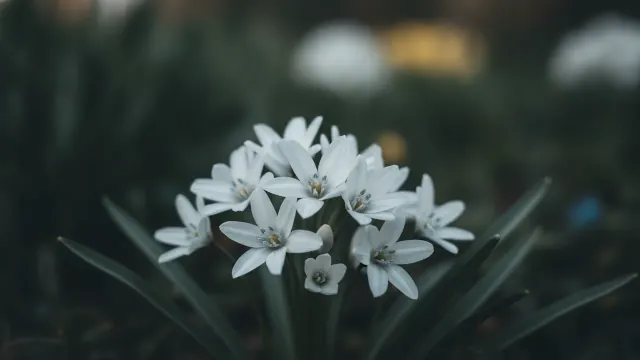
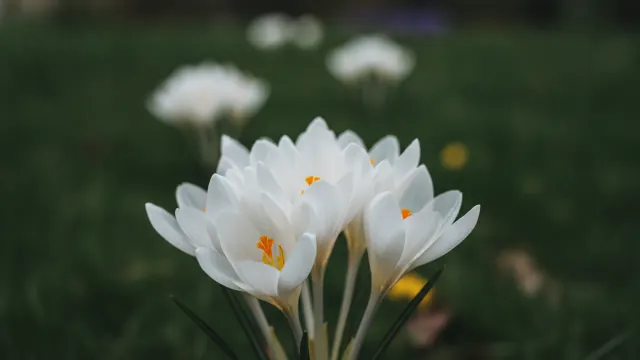
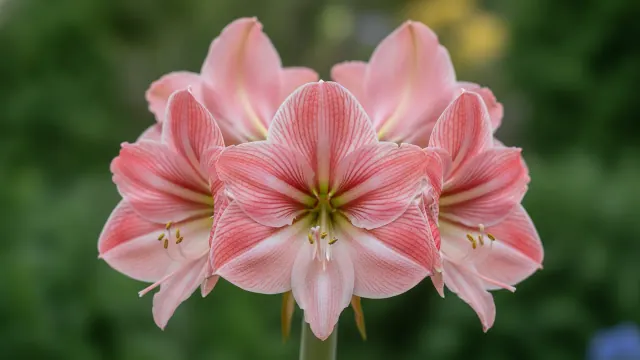
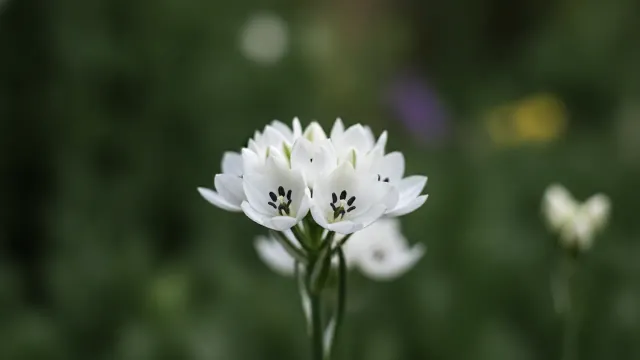
Real photographs from naturalists and photographers worldwide, each used under its own license. Credit: Photo by bemma / iNaturalist (CC BY), Photo by bemma / iNaturalist (CC BY), Photo by bemma / iNaturalist (CC BY), Photo by Katrin Simon / iNaturalist (CC BY) and Photo by Rebecca Johnson / iNaturalist (CC BY). How photos are sourced →

Snowflake
Leucojum
Snowflake blooms from March through April.
Months here are Northern Hemisphere months; in the Southern Hemisphere, shift them by six months.
Growing Snowflake
Plant it in part sun. It prefers moderate water. It is hardy in USDA zones 4–8. Expect it to reach about 12 in tall and 4 in wide at maturity, in roughly 1 year (not yet checked).
What was checked
Mature height and spread, hardiness zones, sun and the trait tags were checked against named botanical sources for this plant. The bloom months and water need on this page were not, and each fact above says which. The planting, spacing and size sections are derived from these checked facts by a fixed rule, not checked separately, and the plant type is the library's own classification.
When to plant Snowflake
Snowflake is a fall-planted bulb: get it in the ground 6 to 8 weeks before the ground freezes, typically September or October in zone 6, the middle of its hardy zones 4 to 8. It pays you back the following March to April.
Month-by-month timing for your zone is on the planting calendar; if you garden near zone 6, the middle of this plant's hardy range, start with zone 6 in September. Derived from the plant's category, zones and bloom months plus typical zone frost dates, not checked separately.
How big does Snowflake get?
 12 intall5 ft 7 inan adult4 inwide
See Snowflake in a garden plan: the planner shows it in 3D beside everything else you add, growing toward this size over the years.
Where these facts come from
Snowflake's height, spread, hardiness zones, sun and trait tags were checked against 10 published sources on July 30, 2026. Each one is linked below with every fact it carried, which can include a fact this page still marks as not yet checked, because a source carrying a value is not the same as the value being held to the standard. Facts not in that list, and the planting, spacing and size sections, are not covered by these sources.
- NC State ExtensionLeucojum aestivumheight, spread, hardiness zones, sun, years to mature size and trait tags
- NC State ExtensionLeucojum vernumheight, spread, hardiness zones, sun, years to mature size and trait tags
- adrbulbs.comA.D.R. Bulbs (Leucojum 'Aestivum')height, spread, hardiness zones, sun and trait tags
- Missouri Botanical GardenLeucojum aestivum 'Gravetye Giant'height, spread, hardiness zones, sun and trait tags
- Clemson Home and Garden Information CenterSnowflakes, Leucojumheight, hardiness zones, sun and trait tags
- Holland Bulb FarmsGravetye Giant Leucojum Snowflakesheight, hardiness zones, sun and trait tags
- Missouri Botanical GardenLeucojum aestivumheight, spread, hardiness zones and sun
- RHSLeucojum aestivumheight, spread, sun and years to mature size
- John ScheepersLeucojum aestivumheight, hardiness zones and sun
- Van EngelenLeucojum aestivumheight, hardiness zones and sun
How the checking works, and what each standard covers, is on the verified plants page.
Comes in 3 varieties
Same genus, similar care - pick the variety you are growing.
Compare every variety in the Snowflake group
Every figure is the variety's own page fact. Tap a name to open it.
| Variety | Color | Blooms | Hardiness | Sun | Size (H × W) |
|---|---|---|---|---|---|
| Gravetye Giant | White | Apr–May | Zones 4–9 | Part sun | 24 in × 6 in |
| Snowflakethis page | White | Mar–Apr | Zones 4–8 | Part sun | 12 in × 4 in |
| Spring | White | Mar | Zones 3–8 | Part sun | 8 in × 4 in |
| Summer | White | Apr–May | Zones 4–9 | Part sun | 20 in × 5 in |
Good to know about Snowflake
Curated from university extensions, botanic gardens and other primary sources, with the source named on every note. A note reports what its source says; where that differs from a fact above, the fact above is this entry's stored value, and its mark says whether it has been checked.
Safety
All parts are poisonous if eaten, and the bulbs hold the most poison. Toxic to humans, dogs, cats and horses, causing vomiting and stomach pain. per NC State
Worth knowing
The same bitter alkaloids that poison people and pets are why deer, rabbits and voles leave it alone, making it a dependable deer-proof naturalizer. per NC State
Soil pH depends on species
Summer snowflake dislikes acidic soil and wants neutral to alkaline ground; spring snowflake takes acidic, neutral or alkaline. Match the advice to the species you plant. per NC State
Tell it from snowdrop
Snowflake has six equal white tepals, each tipped with a green spot. Snowdrop's inner tepals are shorter and its green marks sit only on those inner segments. per NC State
Summer vs spring type
Two species share the name. Summer snowflake is taller, blooms in mid to late spring and loves damp clay; spring snowflake is shorter and blooms earliest. per NC State
Naturalizes, can spread
It multiplies by offsets into long-lived colonies, so mass-plant it and leave it be. Summer snowflake spreads hard enough that NC State flags it invasive in Delaware. per NC State
Rots in year-round wet
Unusual for a bulb, it takes wet spring soil, but standing water into summer dormancy rots the bulbs. Keep it moist in growth, well-drained when dormant. per Clemson
What pairs well with Snowflake
Good companions share its growing conditions and add something it lacks: an earlier or later bloom, a lower carpet in front, or structure through winter.
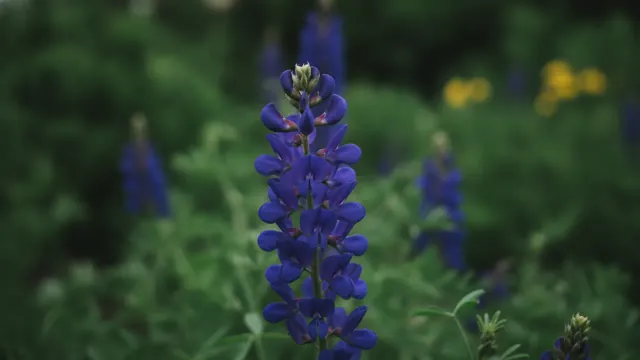
False Indigo
Takes full sun to part sun and low to moderate water; blooms in late spring as this one finishes; leafs out to hide the ripening bulb foliage as it dies back; its seed heads stand through winter, for structure and the birds.
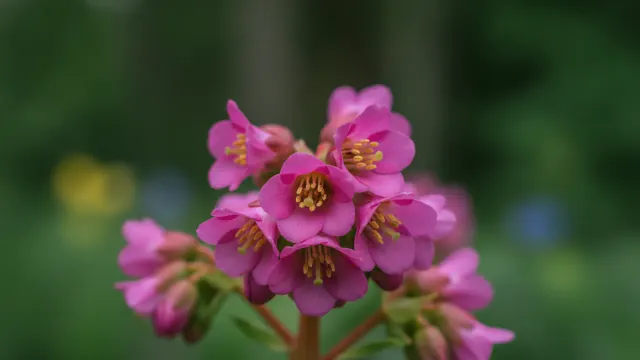
Bergenia
Shares part sun and moderate water; leafs out to hide the ripening bulb foliage as it dies back; overlaps, then carries the display into late spring; evergreen, so the bed keeps its shape through winter.
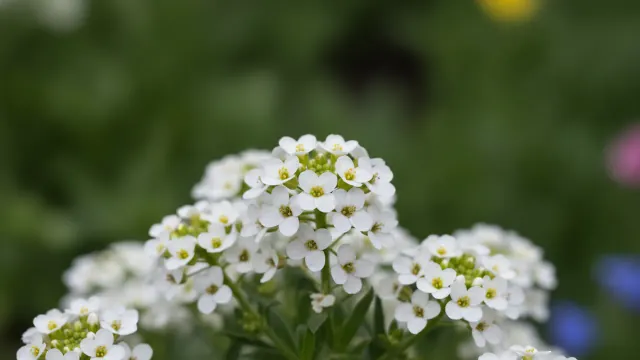
Candytuft
Takes full sun to part sun and low to moderate water; leafs out to hide the ripening bulb foliage as it dies back; overlaps, then carries the display into late spring; evergreen, so the bed keeps its shape through winter.
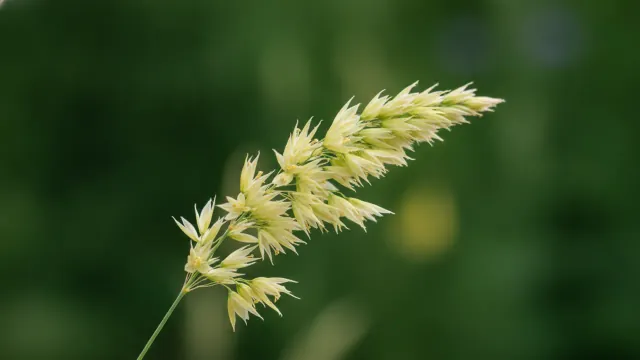
Blue Oat Grass
Takes full sun to part sun and low to moderate water; leafs out to hide the ripening bulb foliage as it dies back; blooms in early summer, extending the bed's season; evergreen, so the bed keeps its shape through winter.

Autumn Fern
Takes part sun to part shade and moderate water; leafs out to hide the ripening bulb foliage as it dies back; evergreen, so the bed keeps its shape through winter.

Japanese Forest Grass
Takes part sun to part shade and moderate water; leafs out to hide the ripening bulb foliage as it dies back; its seed heads stand through winter, for structure and the birds.
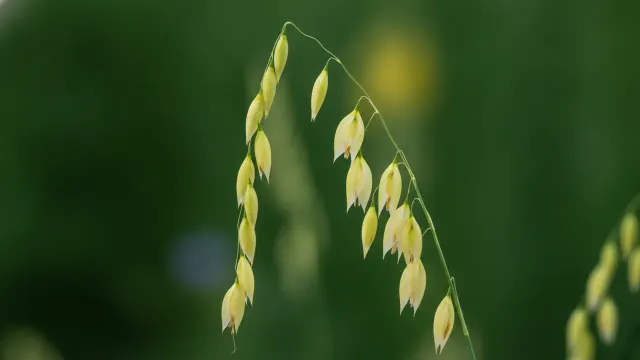
Northern Sea Oats
Takes part sun to part shade and moderate water; blooms in midsummer, extending the bed's season; its seed heads stand through winter, for structure and the birds; taller at 3.5 ft, for the layer behind it.
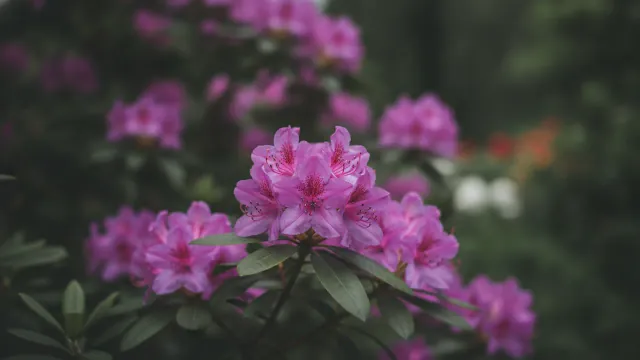
Rhododendron
Takes part sun to part shade and moderate water; blooms in late spring as this one finishes; evergreen, so the bed keeps its shape through winter; taller at 6 ft, for the layer behind it.
Explore similar plants
You might also like
Design a garden with this
Drop this plant onto a 3D plan, see how it fills in, and watch your whole garden bloom across the year.