
 Illustration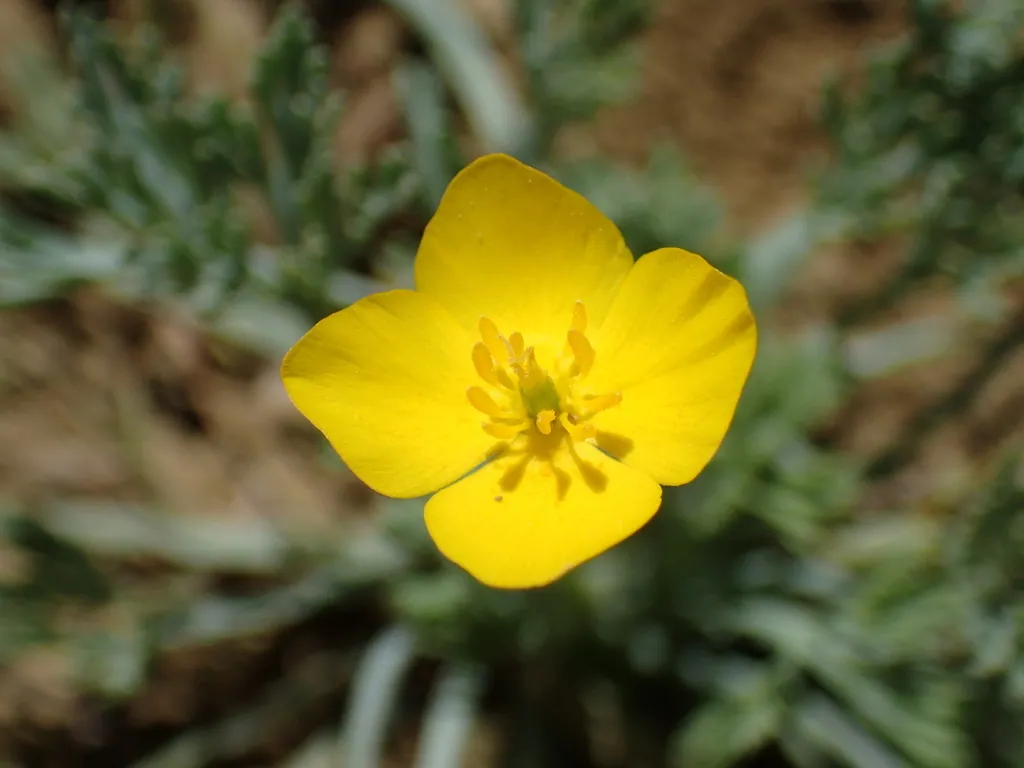

Photo credits and licenses
Real photographs from naturalists and photographers worldwide, each used under its own license. Credit: Photo by Justin Paulin / iNaturalist (CC BY). How photos are sourced →

California Poppy
Eschscholzia
California Poppy blooms from May through August.
Months here are Northern Hemisphere months; in the Southern Hemisphere, shift them by six months.
Growing California Poppy
Plant it in full sun. It prefers low water. It is hardy in USDA zones 6–10. Expect it to reach about 12 in tall and 8 in wide at maturity, in roughly 1 year (not yet checked).
What was checked
Mature height and spread, hardiness zones, sun and the trait tags were checked against named botanical sources for this plant. The bloom months and water need on this page were not, and each fact above says which. The planting, spacing and size sections are derived from these checked facts by a fixed rule, not checked separately, and the plant type is the library's own classification.
When to plant California Poppy
California Poppy is a cool-season annual: plant it out in early spring as soon as the soil can be worked, a few weeks before the last frost, since it takes light frost and fades in summer heat; in mild-winter zones it also goes in during fall. In zone 8, the middle of its hardy zones 6 to 10, that means February or March. It flowers from May to August.
Month-by-month timing for your zone is on the planting calendar; if you garden near zone 8, the middle of this plant's hardy range, start with zone 8 in February. Derived from the plant's category, zones and bloom months plus typical zone frost dates, not checked separately.
How big does California Poppy get?
 12 intall5 ft 7 inan adult8 inwide
See California Poppy in a garden plan: the planner shows it in 3D beside everything else you add, growing toward this size over the years.
How far apart to plant California Poppy
Derived from the mature spread above by a fixed rule, not checked separately: spacing is the spread, center to center.
Space California Poppy about 8 in apart, center to center, so each plant has room to reach its full width.
Add California Poppy to a garden plan and the planner draws it at its full width, so you see the spacing before you buy.
Where these facts come from
California Poppy's height, spread, hardiness zones, sun and trait tags were checked against 9 published sources on July 29, 2026. Each one is linked below with every fact it carried, which can include a fact this page still marks as not yet checked, because a source carrying a value is not the same as the value being held to the standard. Facts not in that list, and the planting, spacing and size sections, are not covered by these sources.
- NC State ExtensionPlant Toolboxheight, spread, hardiness zones, sun and trait tags
- Plants For A Futureheight, spread, hardiness zones, sun and trait tags
- American Meadowsheight, hardiness zones, sun and trait tags
- calscape.orgCalscape (California Native Plant Society)height, spread, sun and trait tags
- Missouri Botanical Gardenheight, spread, hardiness zones and sun
- Fine GardeningPlant Guideheight, spread and sun
- Lady Bird Johnson Wildflower Centerheight, sun and trait tags
- laspilitas.comLas Pilitas Nurseryheight, spread and hardiness zones
- University of Illinois Extensionheight
How the checking works, and what each standard covers, is on the verified plants page.
Comes in 5 varieties across 4 colors
Same genus, similar care - pick the color you are growing.
Compare every variety in the California Poppy group
Every figure is the variety's own page fact. Tap a name to open it.
| Variety | Color | Blooms | Hardiness | Sun | Size (H × W) |
|---|---|---|---|---|---|
| Californiathis page | Orange | May–Aug | Zones 6–10 | Full sun | 12 in × 8 in |
| Ivory Castle | White | May–Aug | Zones 6–10 | Full sun | 12 in × 8 in |
| Mikado | Red | May–Aug | Zones 6–10 | Full sun | 12 in × 8 in |
| Purple Gleam | Purple | May–Aug | Zones 6–10 | Full sun | 12 in × 8 in |
| Rose Chiffon | Pink | May–Aug | Zones 6–10 | Full sun | 12 in × 8 in |
| Yellow | Yellow | May–Aug | Zones 6–10 | Full sun | 12 in × 8 in |
Good to know about California Poppy
Curated from university extensions, botanic gardens and other primary sources, with the source named on every note. A note reports what its source says; where that differs from a fact above, the fact above is this entry's stored value, and its mark says whether it has been checked.
Safety
Only mildly toxic and low risk. Concentrated herbal products can cause mild nausea; a Wildflower Center expert found no listing as poisonous to dogs. per Poison Control and Wildflower Center
Worth knowing
Related to the opium poppy but a different genus: it makes no morphine, which is why its long herbal use as a mild sedative is gentle, not narcotic. per Frontiers and Molecules
Invasive outside its home range
A valued native wildflower in the western US, but a documented invader in Chile, Australia, New Zealand and South Africa. There, deadhead hard to stop seed escape. per Calscape and PLOS ONE
Sow in place, never transplant
It grows a fleshy taproot with long, sensitive roots and resents disturbance, so sow seed directly where it will grow rather than moving seedlings. per NC State
Rich, wet soil kills it
Built for lean, dry, sharply drained ground: rich soil and overwatering give soft, floppy, leafy growth with few flowers, and can rot the crown and roots. per NC State
Flowers close at night
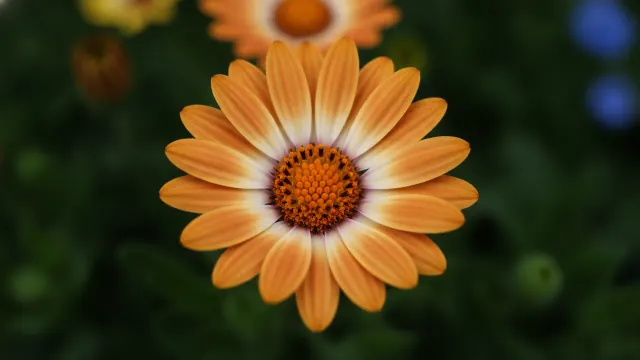
The satiny cups close at night and in cloudy or rainy weather. Petals are usually bright orange but range from creamy yellow to deep orange. per NC State
Deer resistant
Reported deer resistant, likely because of the bitter alkaloids it carries, though rabbits may nibble the foliage. per Calscape and Molecules
What pairs well with California Poppy
Good companions share its growing conditions and add something it lacks: an earlier or later bloom, a lower carpet in front, or structure through winter.
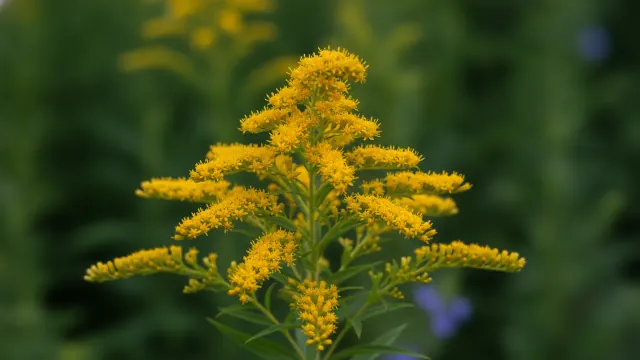
Goldenrod
Shares full sun and low water; overlaps, then carries the display into mid fall; both are strong pollinator plants; its seed heads stand through winter, for structure and the birds.
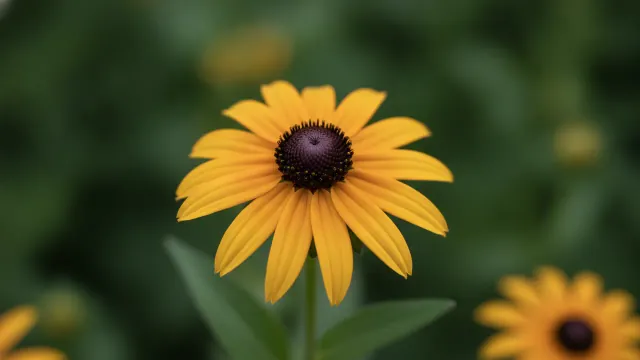
Black-Eyed Susan
Shares full sun and low water; overlaps, then carries the display into mid fall; both are strong pollinator plants; its seed heads stand through winter, for structure and the birds.
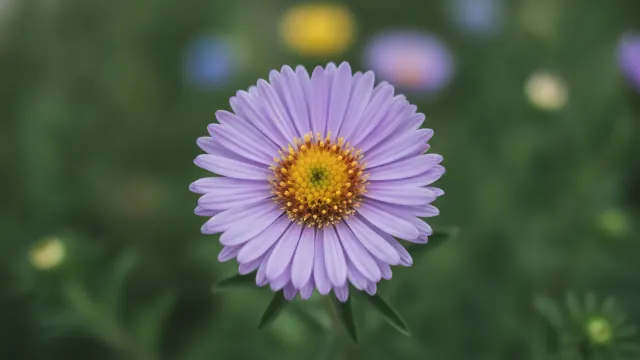
Aster
Shares full sun and low to moderate water; blooms in early fall as this one finishes; both are strong pollinator plants, and they feed in different months; its seed heads stand through winter, for structure and the birds.
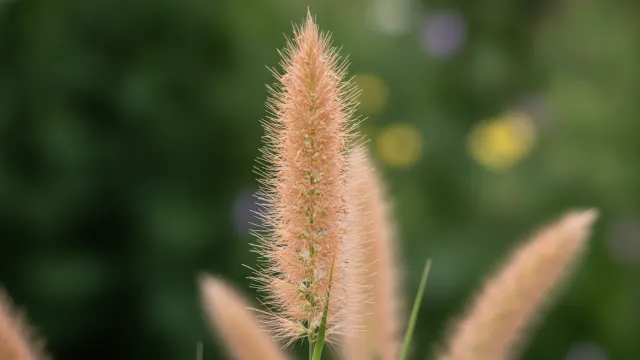
Switchgrass
Shares full sun and low water; overlaps, then carries the display into mid fall; both are strong pollinator plants; its seed heads stand through winter, for structure and the birds.
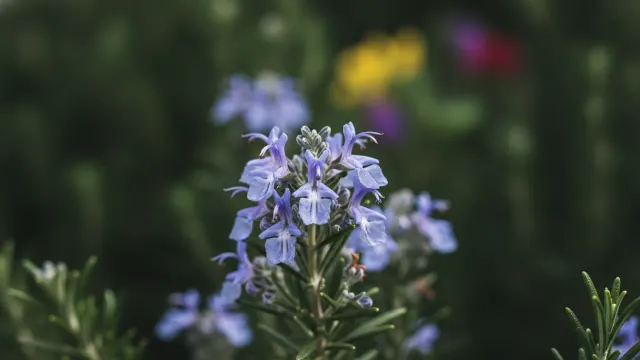
Rosemary
Shares full sun and low water; opens in early spring and overlaps into this one's season; both are strong pollinator plants; evergreen, so the bed keeps its shape through winter.
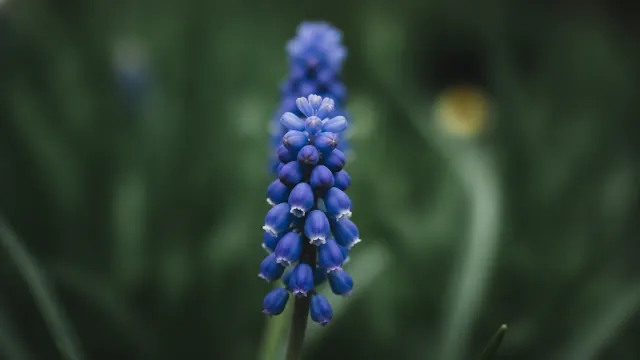
Grape Hyacinth
Shares full sun and low water; blooms in early spring, before this one opens; both offer pollinator forage, in different months; lower at 8 in, for the front of the border.
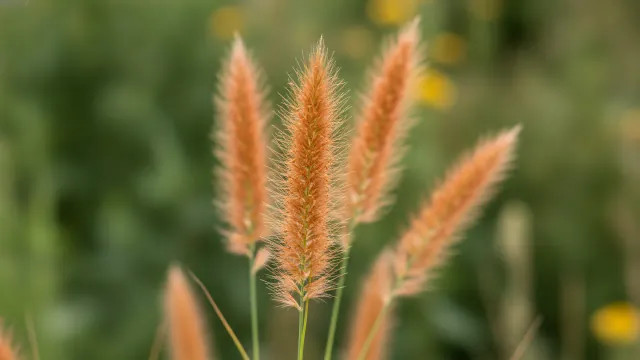
Little Bluestem
Shares full sun and low water; overlaps, then carries the display into early fall; its seed heads stand through winter, for structure and the birds; taller at 3.5 ft, for the layer behind it.
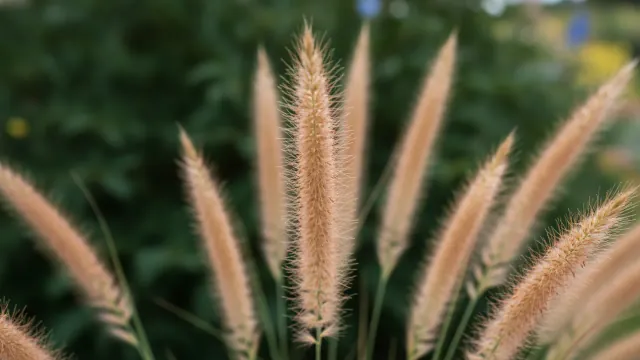
Fountain Grass
Shares full sun and low water; overlaps, then carries the display into mid fall; its seed heads stand through winter, for structure and the birds; taller at 3.5 ft, for the layer behind it.
Featured in these guides
Explore similar plants
You might also like
Design a garden with this
Drop this plant onto a 3D plan, see how it fills in, and watch your whole garden bloom across the year.