
 Illustration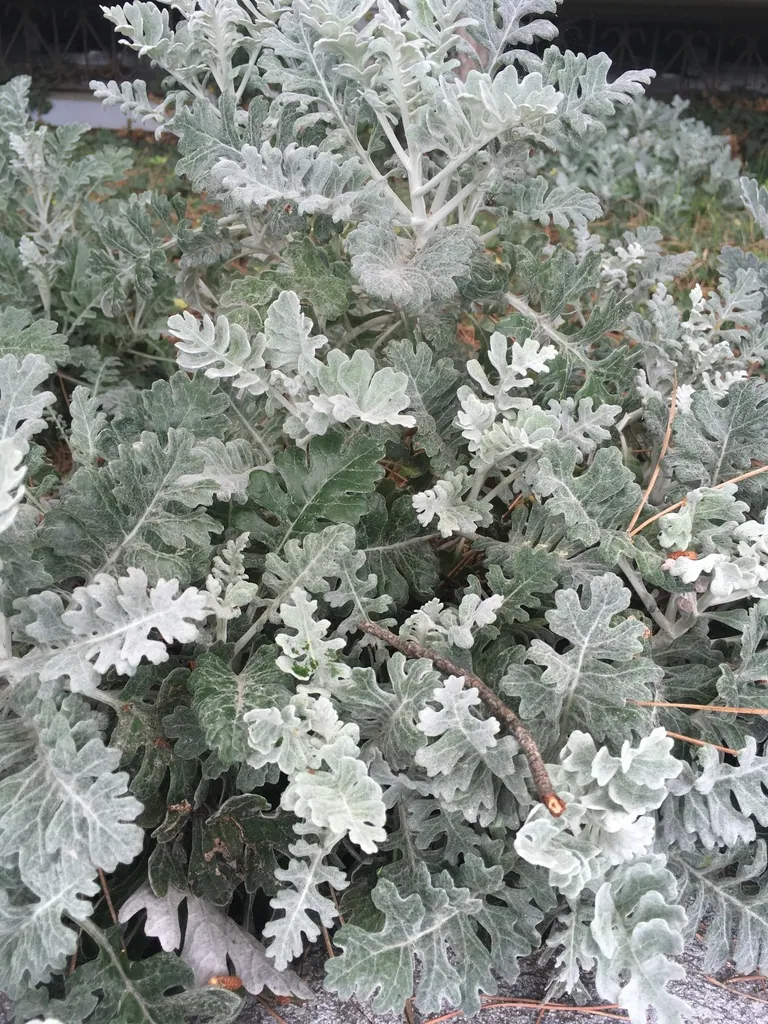

Photo credits and licenses
Real photographs from naturalists and photographers worldwide, each used under its own license. Credit: Photo by Максим Шумских / iNaturalist (CC BY). How photos are sourced →

Dusty Miller
Jacobaea maritima
Dusty Miller is grown for its foliage rather than flowers, giving the garden structure and color all season long.
Months here are Northern Hemisphere months; in the Southern Hemisphere, shift them by six months.
Growing Dusty Miller
Plant it in full sun. It prefers low water. It is hardy in USDA zones 8–10. Expect it to reach about 14 in tall and 12 in wide at maturity, in roughly 1 year (not yet checked).
What was checked
Mature height and spread, hardiness zones, sun and the trait tags were checked against named botanical sources for this plant. The bloom months and water need on this page were not, and each fact above says which. The planting, spacing and size sections are derived from these checked facts by a fixed rule, not checked separately, and the plant type is the library's own classification.
When to plant Dusty Miller
Wait until all danger of frost has passed, then plant out Dusty Miller into warm soil; in most zones that means late spring.
Month-by-month timing for your zone is on the planting calendar; if you garden near zone 9, the middle of this plant's hardy range, start with zone 9 in February. Derived from the plant's category, zones and bloom months plus typical zone frost dates, not checked separately.
How big does Dusty Miller get?
 14 intall5 ft 7 inan adult12 inwide
See Dusty Miller in a garden plan: the planner shows it in 3D beside everything else you add, growing toward this size over the years.
How far apart to plant Dusty Miller
Derived from the mature spread above by a fixed rule, not checked separately: spacing is the spread, center to center.
Space Dusty Miller about 12 in apart, center to center, so each plant has room to reach its full width.
Add Dusty Miller to a garden plan and the planner draws it at its full width, so you see the spacing before you buy.
Where these facts come from
Dusty Miller's height, spread, hardiness zones, sun and trait tags were checked against 12 published sources on July 31, 2026. Each one is linked below with every fact it carried, which can include a fact this page still marks as not yet checked, because a source carrying a value is not the same as the value being held to the standard. Facts not in that list, and the planting, spacing and size sections, are not covered by these sources.
- edis.ifas.ufl.eduUF/IFAS Extension EDIS FPS544height, spread, hardiness zones, sun, years to mature size and trait tags
- NC State ExtensionPlant Toolboxheight, spread, hardiness zones, sun, years to mature size and trait tags
- Missouri Botanical GardenPlant Finderheight, spread, hardiness zones, sun and years to mature size
- University of Wisconsin HorticultureUniversity of Wisconsin-Madison Division of Extension, Wisconsin Horti...height, hardiness zones, sun, years to mature size and trait tags
- kitchengardenseeds.comJohn Scheepers Kitchen Garden Seedsheight, sun and trait tags
- Outsideprideheight, hardiness zones and sun
- Swallowtail Garden Seedsheight, sun and trait tags
- asu.eduArizona State University Campus Arboretum plant databaseheight and sun
- University of Illinois ExtensionHort Answersheight and sun
- Johnny's Selected Seedstrait tags
- RHSRoyal Horticultural Societytrait tags
- University of Florida IFASUF/IFAS Gardening Solutionsheight
How the checking works, and what each standard covers, is on the verified plants page.
Good to know about Dusty Miller
Curated from university extensions, botanic gardens and other primary sources, with the source named on every note. A note reports what its source says; where that differs from a fact above, the fact above is this entry's stored value, and its mark says whether it has been checked.
Safety
Contains hepatotoxic pyrrolizidine alkaloids and is poisonous to cats, dogs, and horses. Never use it as an herb or tea, and keep it from pets and children. per NC State and USDA
Worth knowing
In shade it survives but loses the point: the silver fades as the green shows through, and it grows leggy. Full sun keeps it bright and dense. per NC State and Wisconsin
How much to water
Most extension sources call for low water and dry-side soil; one botanic garden lists medium moisture. Water sparingly once established: soggy soil rots the roots. per NC State and Missouri Botanical Garden
How big it gets
As an annual it stays a small mound, about 0.2 to 0.5 m tall. Left as a perennial in a frost-free zone it grows shrubbier, to 0.6 to 0.9 m. per NC State and University of Florida
Deer leave it alone
Deer seldom touch it: the woolly, aromatic, alkaloid-laden leaves are unpalatable. No plant is fully deer-proof under heavy pressure, but this is a reliable deer-resistant bedder. per NC State and Wisconsin
Grown for leaves, not flowers
It is grown for foliage. Flowers appear only in a second year, are small, insignificant yellow daisies, and are usually pinched off to keep growth in the leaves. per NC State
Keep the soil lean
Give it light, well-drained, lean soil and skip the fertilizer. Rich soil or extra nitrogen pushes soft, leafy growth and thins the dense silver foliage. per NC State
What pairs well with Dusty Miller
Good companions share its growing conditions and add something it lacks: an earlier or later bloom, a lower carpet in front, or structure through winter.
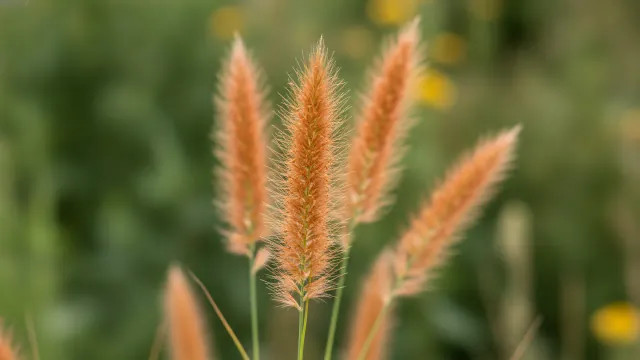
Little Bluestem
Shares full sun and low water; its seed heads stand through winter, for structure and the birds; taller at 3.5 ft, for the layer behind it.
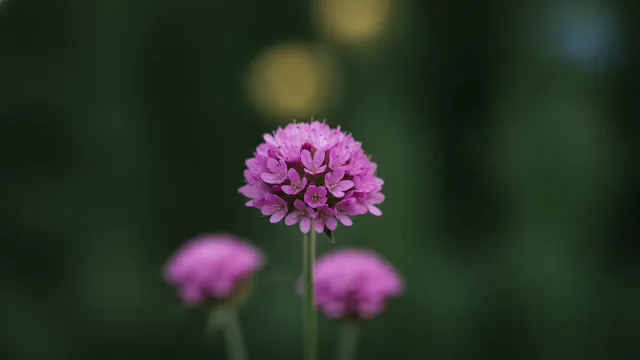
Sea Thrift
Shares full sun and low water; evergreen, so the bed keeps its shape through winter; lower at 8 in, for the front of the border.
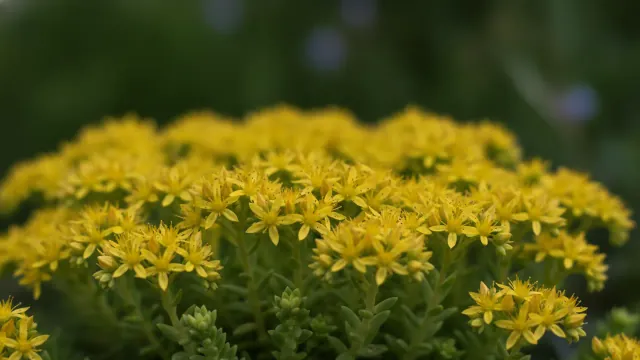
Creeping Sedum
Shares full sun and low water; evergreen, so the bed keeps its shape through winter; lower at 4 in, for the front of the border.
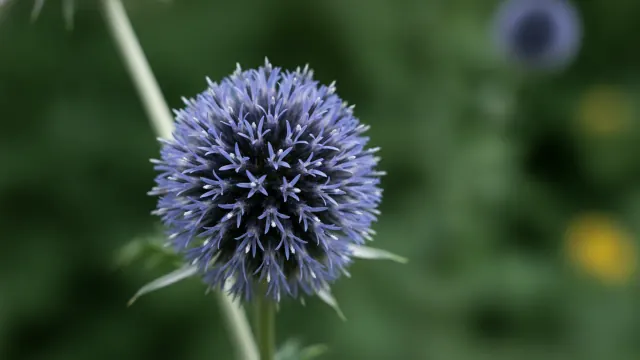
Globe Thistle
Shares full sun and low water; its seed heads stand through winter, for structure and the birds; taller at 3.5 ft, for the layer behind it.
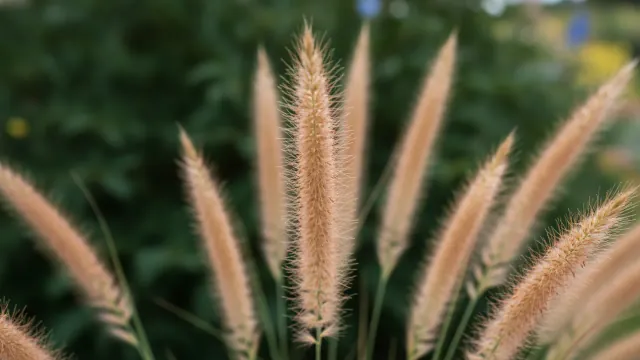
Fountain Grass
Shares full sun and low water; its seed heads stand through winter, for structure and the birds; taller at 3.5 ft, for the layer behind it.
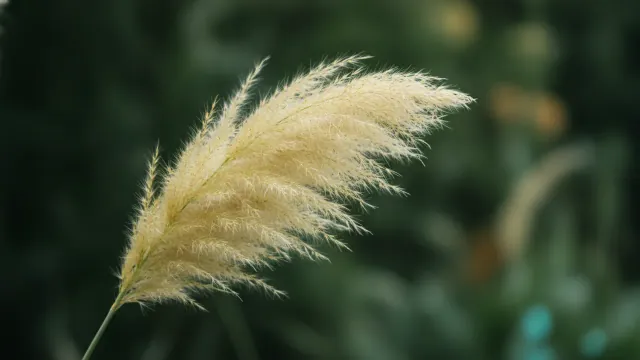
Pampas Grass
Shares full sun and low water; its seed heads stand through winter, for structure and the birds; stands well above at 8 ft, a canopy to plant beneath.
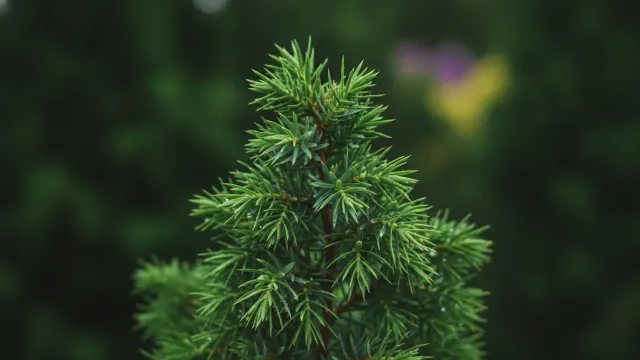
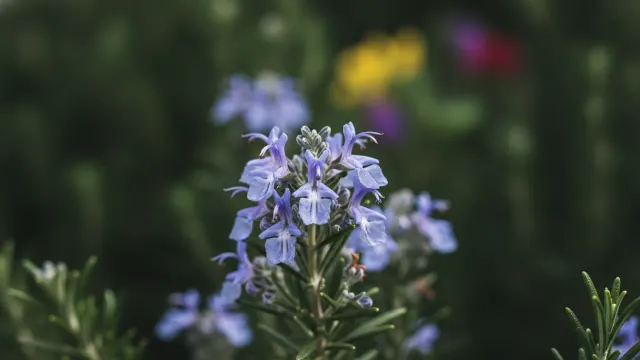
Rosemary
Shares full sun and low water; evergreen, so the bed keeps its shape through winter; taller at 3.5 ft, for the layer behind it.
Featured in these guides
Explore similar plants
You might also like

Design a garden with this
Drop this plant onto a 3D plan, see how it fills in, and watch your whole garden bloom across the year.