
 Illustration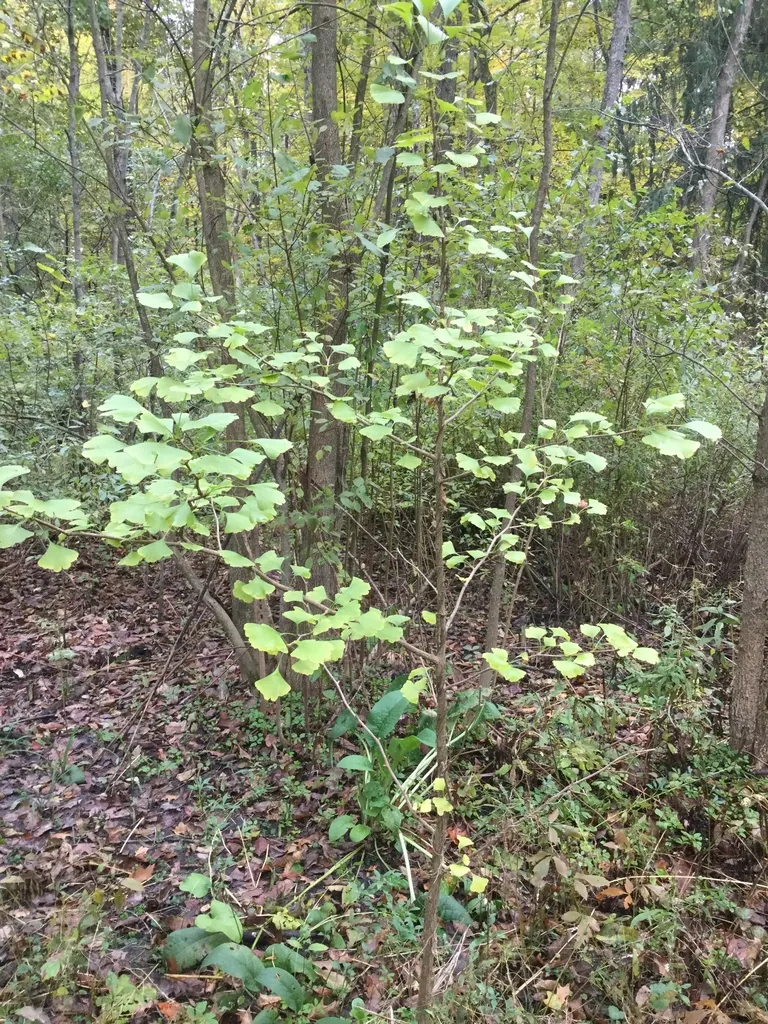
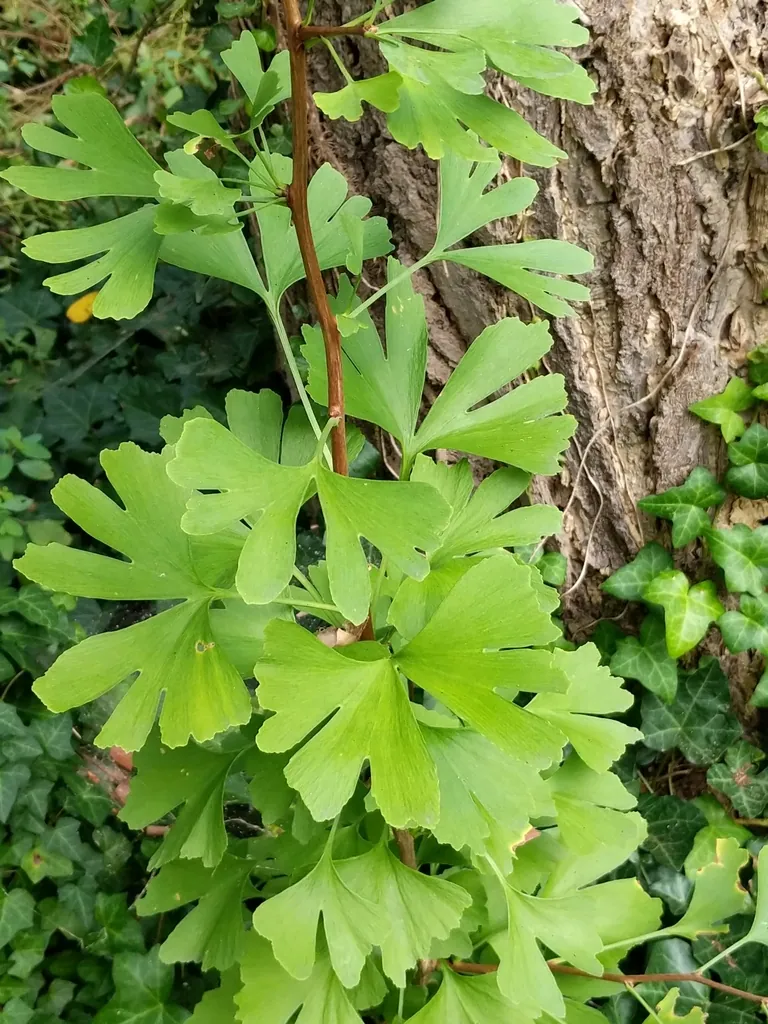
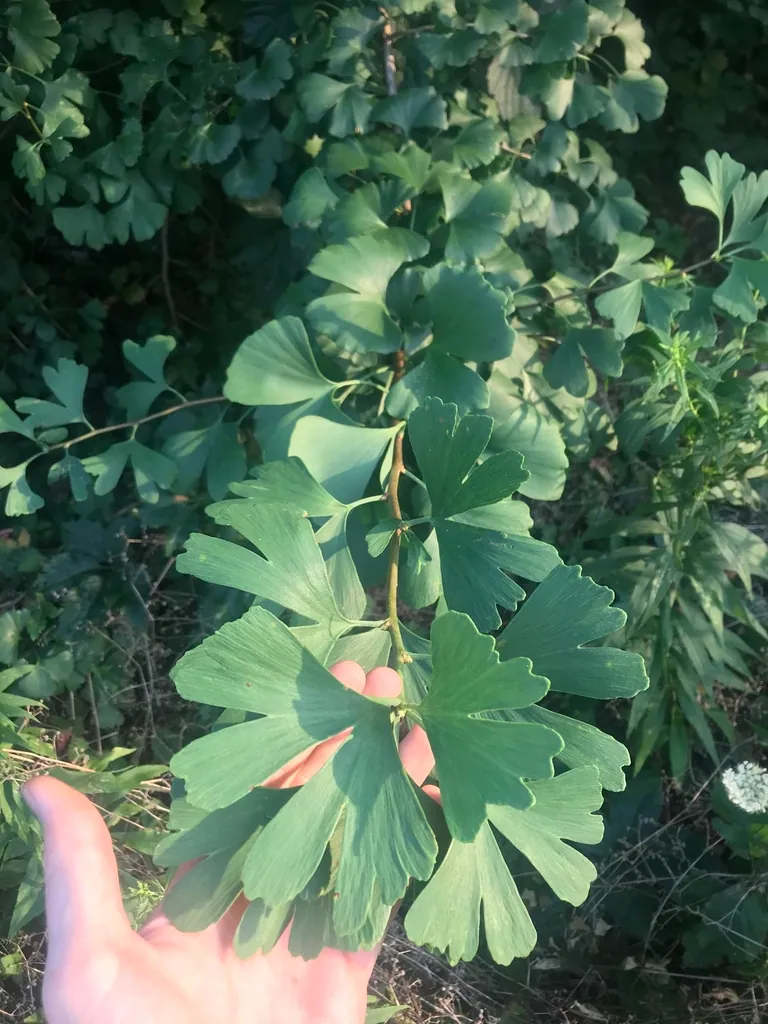

Photo credits and licenses
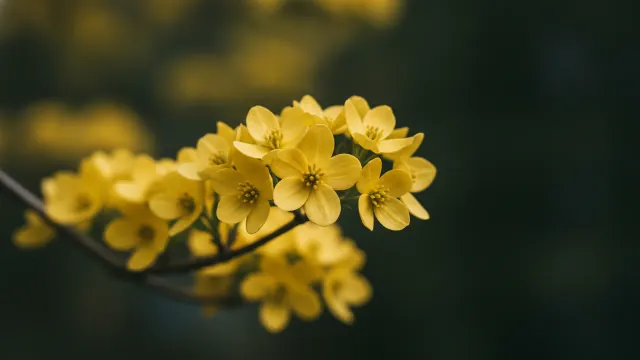
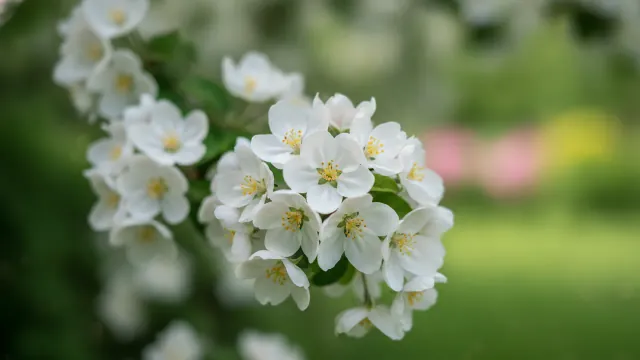
Real photographs from naturalists and photographers worldwide, each used under its own license. Credit: Photo by Summit Metro Parks / iNaturalist (CC BY), Photo by Matt Schultz / iNaturalist (CC0) and Photo by Andrew Conboy / iNaturalist (CC BY). How photos are sourced →

Ginkgo
Ginkgo biloba
Ginkgo is grown for its foliage rather than flowers, giving the garden structure and color all season long.
Months here are Northern Hemisphere months; in the Southern Hemisphere, shift them by six months.
Growing Ginkgo
Plant it in full sun. It prefers moderate water. It is hardy in USDA zones 3–8. Expect it to reach about 49 ft tall and 33 ft wide at maturity, in roughly 25 years (not yet checked).
What was checked
Mature height and spread, hardiness zones, sun and the trait tags were checked against named botanical sources for this plant. The bloom months and water need on this page were not, and each fact above says which. The planting, spacing and size sections are derived from these checked facts by a fixed rule, not checked separately, and the plant type is the library's own classification.
When to plant Ginkgo
Plant Ginkgo in early spring as soon as the soil is workable, or in early fall at least six weeks before your first frost, so roots establish in cool weather. In zone 5, the middle of its hardy zones 3 to 8, spring means April to June and fall means August or September.
Month-by-month timing for your zone is on the planting calendar; if you garden near zone 5, the middle of this plant's hardy range, start with zone 5 in April. Derived from the plant's category, zones and bloom months plus typical zone frost dates, not checked separately.
How big does Ginkgo get?
 49 fttall5 ft 7 inan adult33 ftwide
See Ginkgo in a garden plan: the planner shows it in 3D beside everything else you add, growing toward this size over the years.
How far apart to plant Ginkgo
Derived from the mature spread above by a fixed rule, not checked separately: spacing is the spread, center to center.
Give Ginkgo about 33 ft of clear ground in every direction, measured from its center. It is one plant with room around it, not a row, and a raised bed is too small for it.
Add Ginkgo to a garden plan and the planner draws it at its full width, so you see the spacing before you buy.
Where these facts come from
Ginkgo's height, spread, hardiness zones, sun and trait tags were checked against 12 published sources on July 31, 2026. Each one is linked below with every fact it carried, which can include a fact this page still marks as not yet checked, because a source carrying a value is not the same as the value being held to the standard. Facts not in that list, and the planting, spacing and size sections, are not covered by these sources.
- brighterblooms.comBrighter Bloomsheight, spread, hardiness zones, sun, years to mature size and trait tags
- fast-growing-trees.comFast Growing Treesheight, spread, hardiness zones, sun, years to mature size and trait tags
- Missouri Botanical GardenPlant Finderheight, spread, hardiness zones, sun, years to mature size and trait tags
- NC State ExtensionPlant Toolboxheight, spread, hardiness zones, sun, years to mature size and trait tags
- Clemson Home and Garden Information CenterClemson Cooperative Extension Home & Garden Information Centerheight, spread, hardiness zones, sun and trait tags
- coldstreamfarm.netCold Stream Farmheight, hardiness zones, sun, years to mature size and trait tags
- RHSRoyal Horticultural Societyheight, spread, sun, years to mature size and trait tags
- The Morton Arboretumheight, hardiness zones, sun, years to mature size and trait tags
- greatplainsnursery.comGreat Plains Nurseryheight, spread, hardiness zones and sun
- Oregon State UniversityLandscape Plantsheight, hardiness zones, sun and trait tags
- University of Illinois ExtensionHort Answersheight, hardiness zones, sun and trait tags
- dendro.cnre.vt.eduVirginia Tech Dendrology Fact Sheettrait tags
How the checking works, and what each standard covers, is on the verified plants page.
Good to know about Ginkgo
Curated from university extensions, botanic gardens and other primary sources, with the source named on every note. A note reports what its source says; where that differs from a fact above, the fact above is this entry's stored value, and its mark says whether it has been checked.
Safety
Raw or under-cooked seeds contain ginkgotoxin, which can cause vomiting and seizures in people and pets. Only female trees make seeds; a male cultivar carries none. per ASPCA and Frontiers in Pharmacology
Worth knowing
A genuine living fossil: the last survivor of an otherwise extinct order, essentially unchanged for about 180 million years and unlike any other tree. per Clemson
Zone range varies by source
Sources split on the limits: 3 to 9, 4 to 8b, 5 to 8, or 4 to 9. The spread reflects cultivar and region. Match the cultivar to your zone. per NC State
Growth rate: slow to medium
Sources disagree, rating growth medium or slow. Either way it is not a fast tree, so site it as a long-term specimen, not a quick screen for fast cover. per NC State and Morton Arboretum
Plant a male cultivar
Only female trees drop the messy, foul-smelling, skin-irritating seeds, and a seedling hides its sex for 20 to 30 years. Buy a grafted male like 'Autumn Gold'. per NC State and Clemson
Brief but brilliant fall color
Leaves turn a clear golden-yellow, then drop nearly all at once over a day or two, often after a hard frost or heavy rain. Intense but short-lived. per NC State
A premier street tree
It shrugs off pollution, heat, drought, wind, and compacted city soil, and is moderately salt-tolerant, which is why it lines so many streets and parking lots. per Clemson
Nearly pest and disease free
Ginkgo carries no serious pests or diseases, a big reason for its street-tree reputation. The things to watch are environmental, mainly drought and waterlogged soil, not bugs. per Morton Arboretum
What pairs well with Ginkgo
Good companions share its growing conditions and add something it lacks: an earlier or later bloom, a lower carpet in front, or structure through winter.
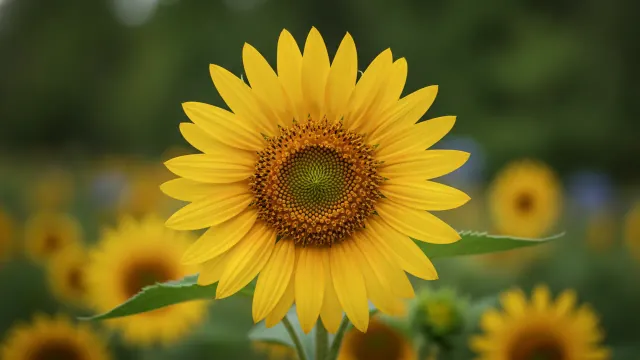
Perennial Sunflower
Shares full sun and moderate water; its seed heads stand through winter, for structure and the birds.
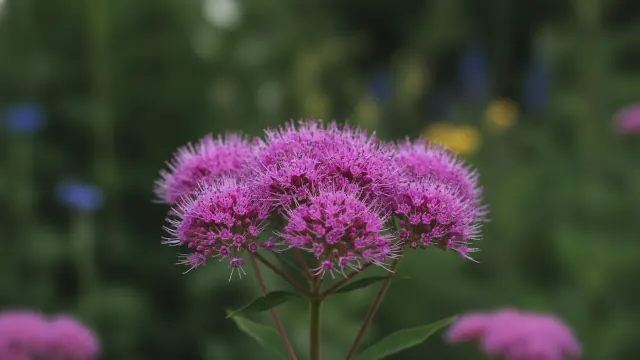
Joe Pye Weed
Shares full sun and moderate to high water; its seed heads stand through winter, for structure and the birds.
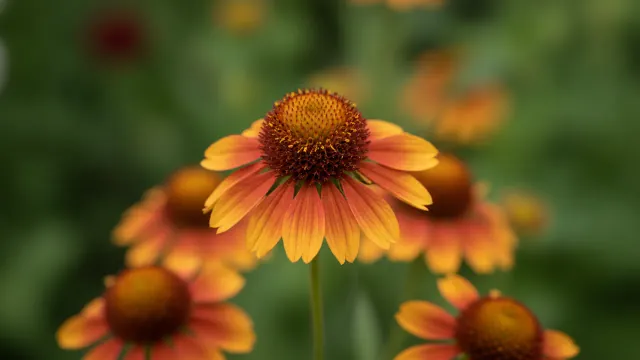
Sneezeweed
Shares full sun and moderate water; its seed heads stand through winter, for structure and the birds.
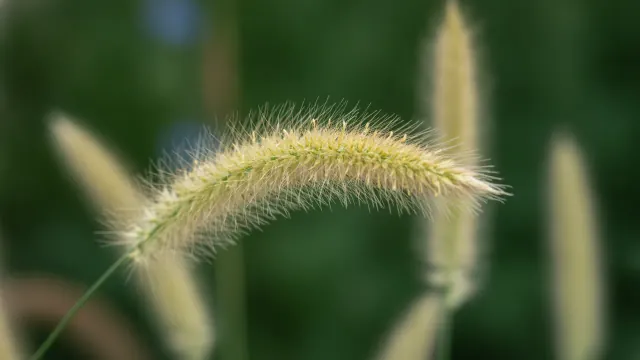
Feather Reed Grass
Shares full sun and moderate water; its seed heads stand through winter, for structure and the birds.
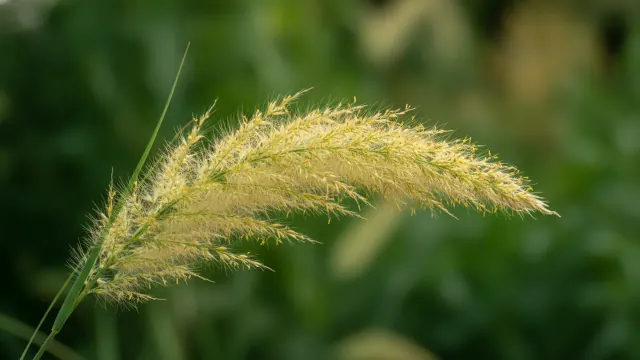
Maiden Grass
Shares full sun and low to moderate water; its seed heads stand through winter, for structure and the birds.
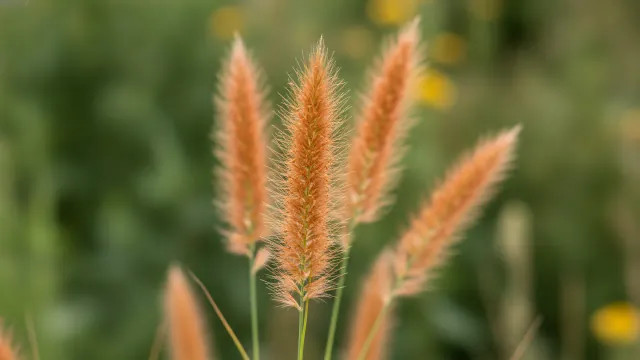
Little Bluestem
Shares full sun and low to moderate water; its seed heads stand through winter, for structure and the birds.
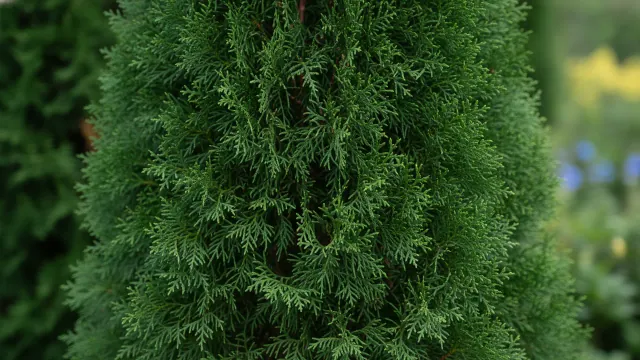
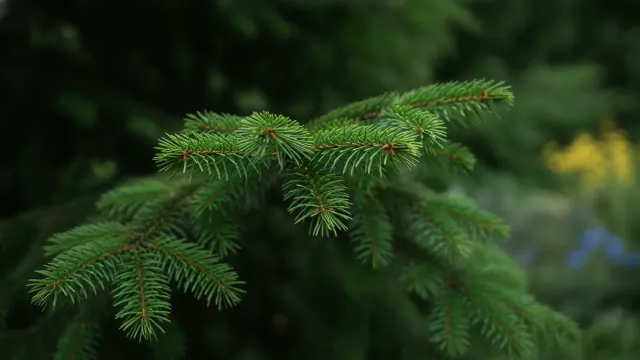
Douglas Fir
Shares full sun and moderate water; evergreen, so the bed keeps its shape through winter.
Featured in these guides
Explore similar plants
You might also like
 Foliage
 Foliage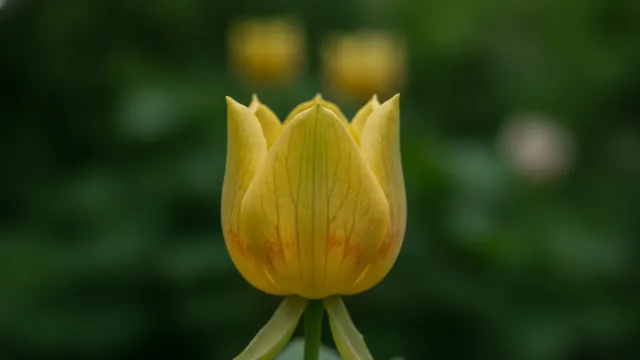
Design a garden with this
Drop this plant onto a 3D plan, see how it fills in, and watch your whole garden bloom across the year.