
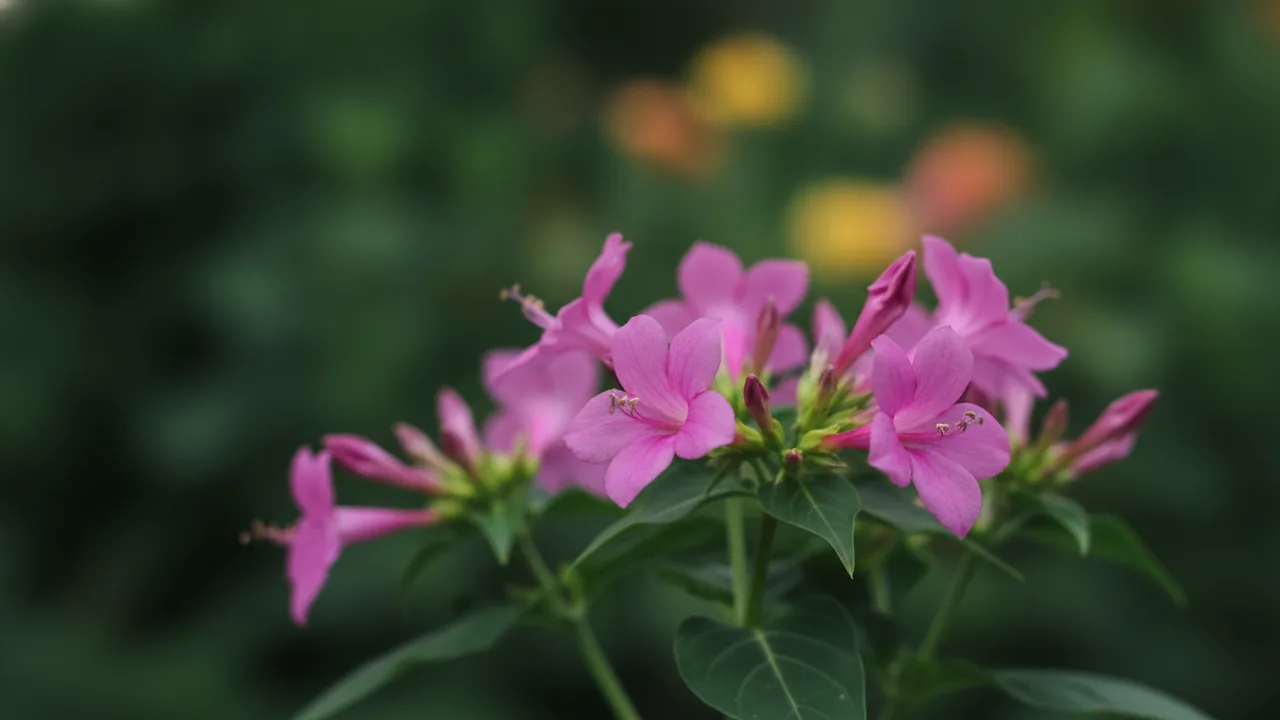
 Illustration

Four O'Clock
Mirabilis jalapa
Four O'Clock blooms from July through September.
Months here are Northern Hemisphere months; in the Southern Hemisphere, shift them by six months.
Growing Four O'Clock
Plant it in full sun. It prefers moderate water. It is hardy in USDA zones 9–11. Expect it to reach about 2.5 ft tall and 2 ft wide at maturity, in roughly 1 year (not yet checked).
What was checked
Mature height and spread, hardiness zones, sun and the trait tags were checked against named botanical sources for this plant. The bloom months and water need on this page were not, and each fact above says which. The planting, spacing and size sections are derived from these checked facts by a fixed rule, not checked separately, and the plant type is the library's own classification.
When to plant Four O'Clock
Wait until all danger of frost has passed, then plant out Four O'Clock into warm soil; in most zones that means late spring. Planted then, it flowers from July to September.
Month-by-month timing for your zone is on the planting calendar; if you garden near zone 9, the middle of this plant's hardy range, start with zone 9 in February. Derived from the plant's category, zones and bloom months plus typical zone frost dates, not checked separately.
How big does Four O'Clock get?
 2.5 fttall5 ft 7 inan adult2 ftwide
See Four O'Clock in a garden plan: the planner shows it in 3D beside everything else you add, growing toward this size over the years.
How far apart to plant Four O'Clock
Derived from the mature spread above by a fixed rule, not checked separately: spacing is the spread, center to center.
Space Four O'Clock about 2 ft apart, center to center, so each plant has room to reach its full width.
Add Four O'Clock to a garden plan and the planner draws it at its full width, so you see the spacing before you buy.
Where these facts come from
Four O'Clock's height, spread, hardiness zones, sun and trait tags were checked against 10 published sources on July 29, 2026. Each one is linked below with every fact it carried, which can include a fact this page still marks as not yet checked, because a source carrying a value is not the same as the value being held to the standard. Facts not in that list, and the planting, spacing and size sections, are not covered by these sources.
- floralencounters.comFloral Encounters, Four oclock seeds (Mirabilis jalapa)height, spread, hardiness zones, sun and trait tags
- Missouri Botanical GardenPlant Finder, Mirabilis jalapaheight, spread, hardiness zones, sun and trait tags
- NC State ExtensionGardener Plant Toolbox, Mirabilis jalapaheight, spread, hardiness zones, sun and trait tags
- University of Wisconsin HorticultureUniversity of Wisconsin-Madison Division of Extension, Wisconsin Horti...height, spread, hardiness zones, sun and trait tags
- Plants For A Futuredatabase, Mirabilis jalapaheight, spread, sun and trait tags
- Swallowtail Garden SeedsFour O'Clock Seeds, Mirabilis jalapaheight, hardiness zones, sun and trait tags
- University of Florida IFASExtension, Gardening Solutions: Four O'Clockssun and trait tags
- University of Georgia ExtensionBulletin B954, Flowering Annuals for Georgia Gardensheight and trait tags
- hear.orgPacific Island Ecosystems at Risk (PIER), Mirabilis jalapaheight
- Utah State University ExtensionMirabilis sp.height
How the checking works, and what each standard covers, is on the verified plants page.
Comes in 5 colors
Same plant, same care - pick the color you are growing.
Compare every color in the Four O'Clock group
Every figure is the color's own page fact. Tap a name to open it.
| Name | Color | Blooms | Hardiness | Sun | Size (H × W) |
|---|---|---|---|---|---|
| Fourthis page | Pink | Jul–Sep | Zones 9–11 | Full sun | 2.5 ft × 2 ft |
| Magenta | Purple | Jul–Sep | Zones 9–11 | Full sun | 2.5 ft × 2 ft |
| Marbles | Yellow | Jul–Sep | Zones 9–11 | Full sun | 2.5 ft × 2 ft |
| Red | Red | Jul–Sep | Zones 9–11 | Full sun | 2.5 ft × 2 ft |
| White | White | Jul–Sep | Zones 9–11 | Full sun | 2.5 ft × 2 ft |
| Yellow | Yellow | Jul–Sep | Zones 9–11 | Full sun | 2.5 ft × 2 ft |
Good to know about Four O'Clock
Curated from university extensions, botanic gardens and other primary sources, with the source named on every note. A note reports what its source says; where that differs from a fact above, the fact above is this entry's stored value, and its mark says whether it has been checked.
Safety
All parts are poisonous if eaten, seeds and roots the most, causing stomach upset; handling roots or crushed seeds can irritate skin. Extension offices rate it low-severity. per NC State
Worth knowing
The flowers open in late afternoon, around four o'clock, and stay open through the evening and night, closing by morning; on cool or overcast days they stay open longer. per NC State
Self-seeding varies by region
It self-sows and can naturalize into a weedy stand in mild-winter southern gardens where the tuber survives, but reseeds only modestly in colder gardens. Deadhead for fewer volunteers. per NC State and Arkansas
Draws night moths and hummingbirds
Its fragrant, long-tubed evening flowers draw night-flying hawk and sphinx moths and hummingbirds at dusk; it also serves as a larval host for the white-lined sphinx. per Wisconsin
Dig and store the tuber
In cold zones, dig the potato-like tuberous root after the first frost and store it barely moist and frost-free like a dahlia, then replant after the last spring frost. per NC State
Deer usually leave it alone
Deer tend not to favor it, in keeping with its toxic foliage and roots, though very hungry deer may sample any plant. per Wisconsin and Missouri Botanical
Many colors on one plant
Colors include white, yellow, pink, red, magenta, and purple, often mottled or striped, and several different colors frequently appear on the same plant. per Missouri Botanical
What pairs well with Four O'Clock
Good companions share its growing conditions and add something it lacks: an earlier or later bloom, a lower carpet in front, or structure through winter.
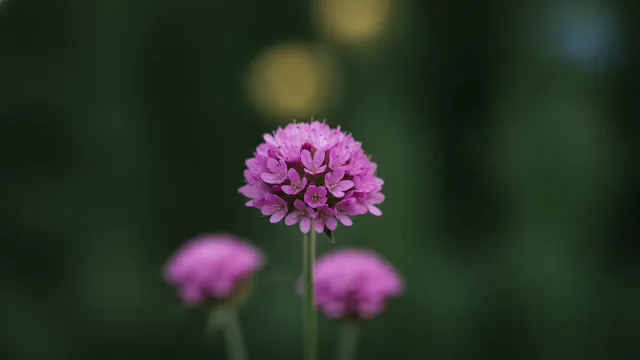
Sea Thrift
Shares full sun and low to moderate water; blooms in mid spring, before this one opens; evergreen, so the bed keeps its shape through winter; lower at 8 in, for the front of the border.
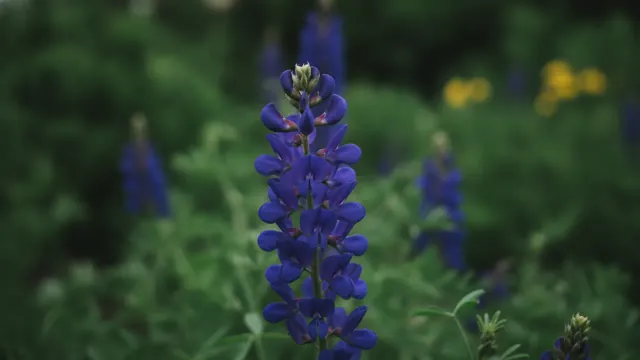
False Indigo
Shares full sun and low to moderate water; blooms in late spring, before this one opens; both offer pollinator forage, in different months; its seed heads stand through winter, for structure and the birds.
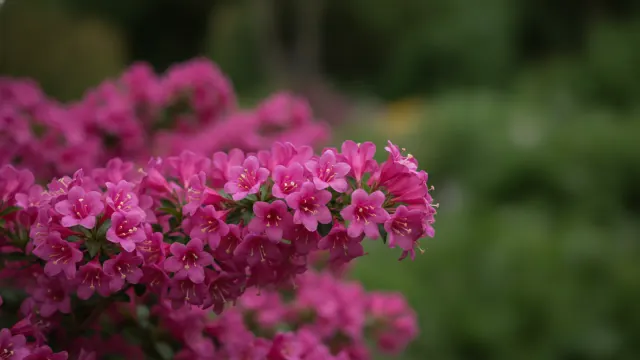
Weigela
Shares full sun and moderate water; blooms in late spring, before this one opens; both offer pollinator forage, in different months; taller at 5 ft, for the layer behind it.
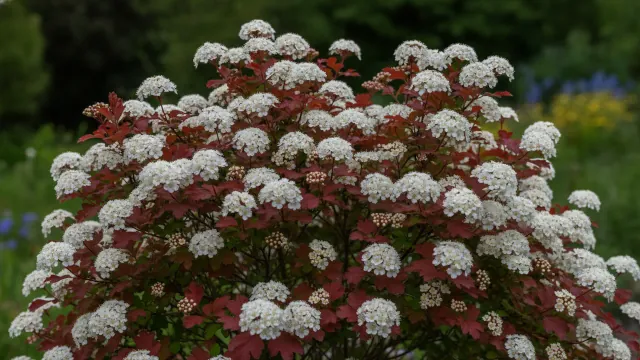
Ninebark
Shares full sun and moderate water; blooms in late spring, before this one opens; both offer pollinator forage, in different months; taller at 6.5 ft, for the layer behind it.

Perennial Sunflower
Shares full sun and moderate water; overlaps, then carries the display into mid fall; its seed heads stand through winter, for structure and the birds; both offer pollinator forage.
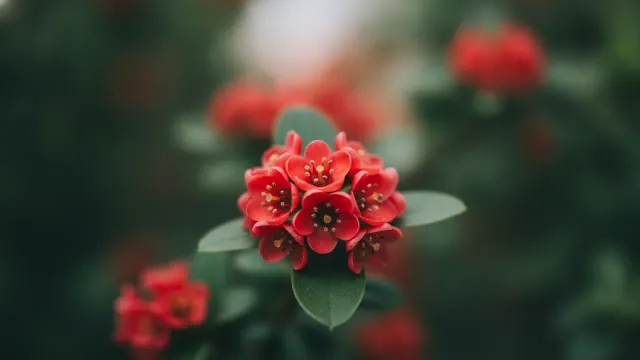
Winterberry
Shares full sun and moderate to high water; blooms in mid fall as this one finishes; both offer pollinator forage, in different months; taller at 6.5 ft, for the layer behind it.
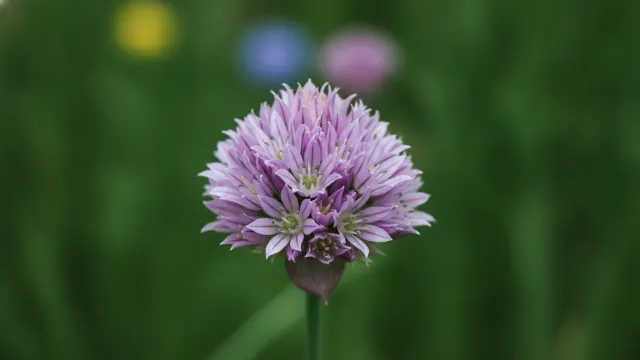
Chives
Shares full sun and moderate water; blooms in late spring, before this one opens; both offer pollinator forage, in different months.
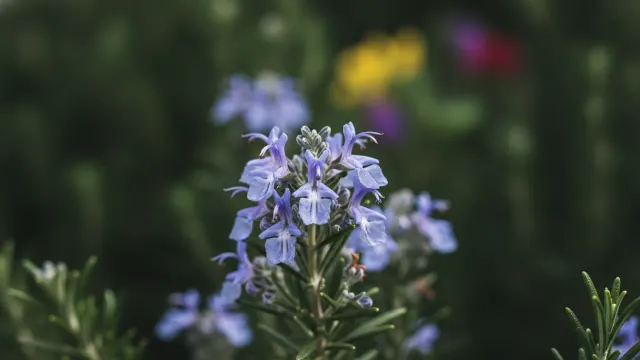
Rosemary
Shares full sun and low to moderate water; blooms in early spring, before this one opens; both offer pollinator forage, in different months; evergreen, so the bed keeps its shape through winter.
Explore similar plants
You might also like
Design a garden with this
Drop this plant onto a 3D plan, see how it fills in, and watch your whole garden bloom across the year.