
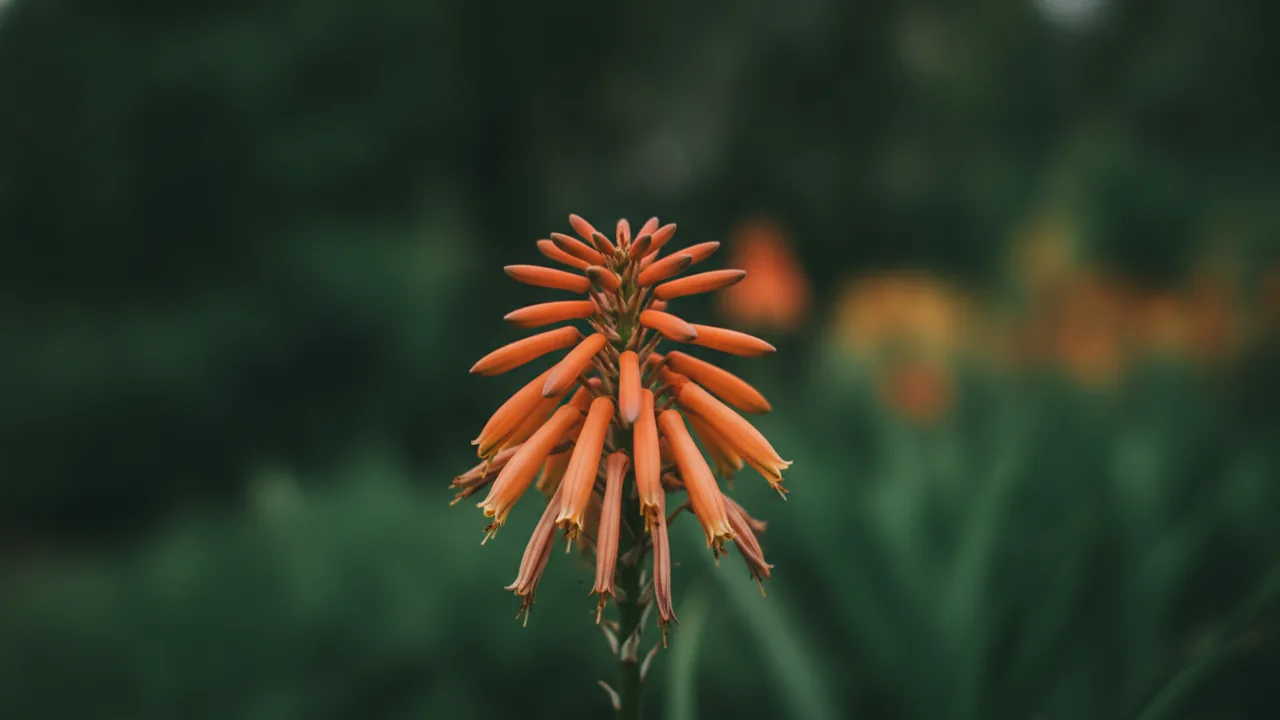
 Illustration

Aloe
Aloe
Also comes in red and yellow.
Aloe blooms from May through July.
Months here are Northern Hemisphere months; in the Southern Hemisphere, shift them by six months.
Growing Aloe
Plant it in full sun. It prefers low water. It is hardy in USDA zones 9–11. Expect it to reach about 16 in tall and 16 in wide at maturity, in roughly 3 years (a house reading).
What was checked
Fifteen fields were checked against named botanical sources, each recorded beside the sources that carried it, with every unsettled point written down and decided: mature height and spread, hardiness zones, sun, water, bloom months and color, the trait tags, soil, diseases, pests, toxicity, the plant's own names, and years to mature size, which rests on a recorded house rule where no publisher states one and is marked so. Each fact above carries its own mark. The planting, spacing and size sections are derived from these checked facts by a fixed rule, not checked separately, and the plant type is the library's own classification.
When to plant Aloe
Plant Aloe in early spring as soon as the soil is workable, or in early fall at least six weeks before your first frost, so roots establish in cool weather. In zone 9, the middle of its hardy zones 9 to 11, spring means January to March and fall means October or November. Once settled, it blooms from May to July.
Month-by-month timing for your zone is on the planting calendar; if you garden near zone 9, the middle of this plant's hardy range, start with zone 9 in January. Derived from the plant's category, zones and bloom months plus typical zone frost dates, not checked separately.
How big does Aloe get?
 16 intall5 ft 7 inan adult16 inwide
See Aloe in a garden plan: the planner shows it in 3D beside everything else you add, growing toward this size over the years.
How far apart to plant Aloe
Derived from the mature spread above by a fixed rule, not checked separately: spacing is the spread, center to center.
Space Aloe about 16 in apart, center to center, so each plant has room to reach its full width.
Add Aloe to a garden plan and the planner draws it at its full width, so you see the spacing before you buy.
Where these facts come from
Aloe's height, spread, hardiness zones, sun, water, bloom months and color, trait tags, soil, diseases, pests and toxicity were checked against 8 published sources on September 11, 2026. Each one is linked below with every fact it carried, which can include a fact this page still marks as not yet checked, because a source carrying a value is not the same as the value being held to the standard. Facts not in that list, and the planting, spacing and size sections, are not covered by these sources.
- Missouri Botanical GardenPlant Finderheight, spread, hardiness zones, sun, water, bloom months and color, soil, diseases, pests and toxicity
- NC State ExtensionPlant Toolboxheight, spread, sun, water, bloom months and color, trait tags, soil, pests and toxicity
- SANBI PlantZAfricaheight, spread, hardiness zones, water, bloom months and color, trait tags, soil, diseases and pests
- Penn State Extensionheight, spread, hardiness zones, sun, water, bloom months and color, soil and diseases
- University of Florida IFASUF/IFAS Extension, Gardening Solutionsheight, spread, hardiness zones, sun, water, bloom months and color, soil and diseases
- RHS(Royal Horticultural Society), RHS Genus Guideheight, spread, sun, bloom months and color, trait tags and soil
- dbg.orgDesert Botanical Garden (Phoenix, Arizona)height and bloom months and color
- ASPCAAnimal Poison Control Centertoxicity
How the checking works, and what each standard covers, is on the verified plants page.
Good to know about Aloe
Curated from university extensions, botanic gardens and other primary sources, with the source named on every note. A note reports what its source says; where that differs from a fact above, the fact above is this entry's stored value, and its mark says whether it has been checked.
Safety
Toxic to dogs, cats and horses. The saponins and anthraquinones (chiefly aloin) in the leaf act as harsh purgatives, causing vomiting, diarrhea, lethargy and sometimes red-tinged urine. per ASPCA and Pet Poison Helpline
Worth knowing
A cut leaf holds two tissues: the clear inner gel is about 99 percent water and low-risk, but the bitter yellow latex under the rind carries the toxic aloin. per Journal of Traditional and Complementary Medicine and NC State
When it blooms varies
Sources disagree: NC State lists spring and winter, Missouri Botanical Garden says summer. Flowering needs a mature plant and strong light, so container plants bloom erratically or not at all. per NC State and Missouri Botanical Garden
Overwatering is the top killer
Soggy, poorly drained soil left continuously wet rots the roots and crown: leaves go soft, mushy and translucent, the base collapses. Sharp drainage and drying out between waterings prevents it. per NC State and Wisconsin
Main pests: mealybugs and scale
Both are sap-suckers that hide in leaf axils and the crown, and both leave sticky honeydew that grows black sooty mold. Dab mealybugs with alcohol on a cotton swab. per NC State and UC IPM
Spreads by offsets (pups)
A mature plant sends up offsets, or pups, at its base. Separate and replant them to make new plants and to manage size, since aloe is never cut back. per NC State
Gel soothes burns and skin
The clear inner leaf gel has been used for centuries on minor burns, sunburn, cuts and skin irritation. That is the gel only, not the whole leaf or its latex. per NC State
What pairs well with Aloe
Good companions share its growing conditions and add something it lacks: an earlier or later bloom, a lower carpet in front, or structure through winter.
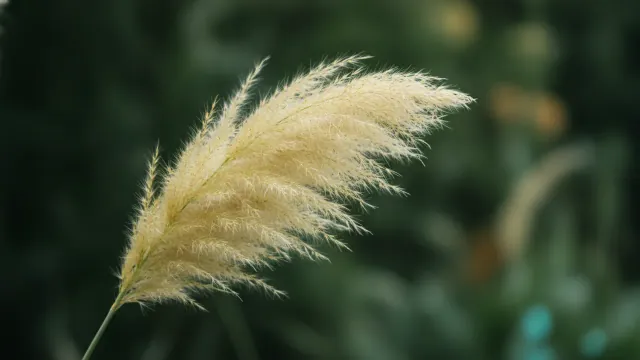
Pampas Grass
Shares full sun and low water; blooms in late summer as this one finishes; its seed heads stand through winter, for structure and the birds; stands well above at 8 ft, a canopy to plant beneath.
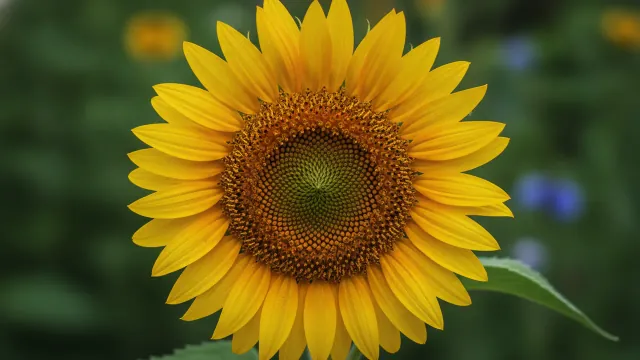
Sunflower
Shares full sun and low to moderate water; overlaps, then carries the display into early fall; its seed heads stand through winter, for structure and the birds; both offer pollinator forage.
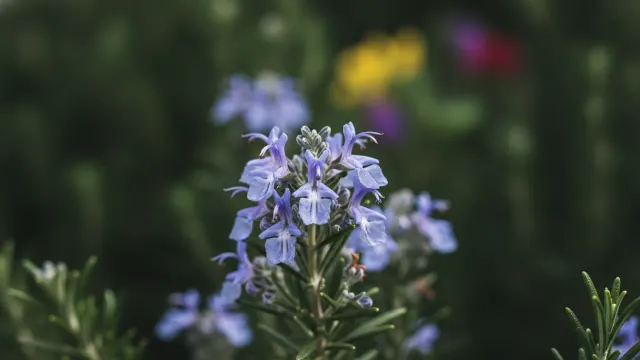
Rosemary
Shares full sun and low water; opens in early spring and overlaps into this one's season; evergreen, so the bed keeps its shape through winter; both offer pollinator forage; they only overlap in zones 9 to 10.
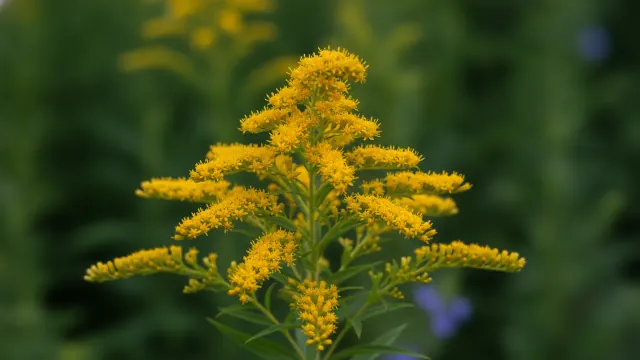
Goldenrod
Shares full sun and low water; blooms in late summer as this one finishes; both offer pollinator forage, in different months; its seed heads stand through winter, for structure and the birds; they only overlap in zone 9.
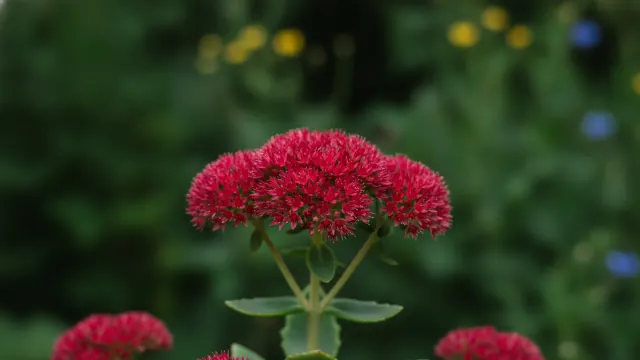
Autumn Joy Sedum
Shares full sun and low water; blooms in late summer as this one finishes; both offer pollinator forage, in different months; its seed heads stand through winter, for structure and the birds; they only overlap in zone 9.
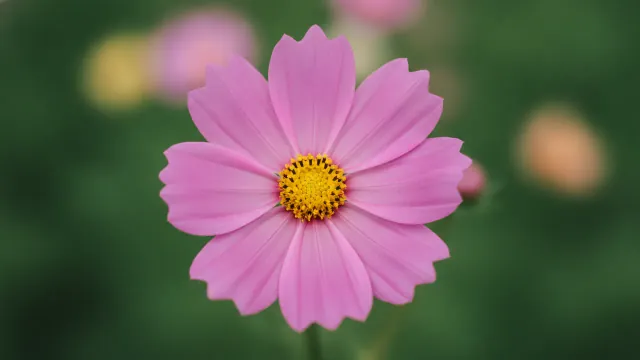
Cosmos
Shares full sun and low water; overlaps, then carries the display into mid fall; both offer pollinator forage; taller at 3.5 ft, for the layer behind it.
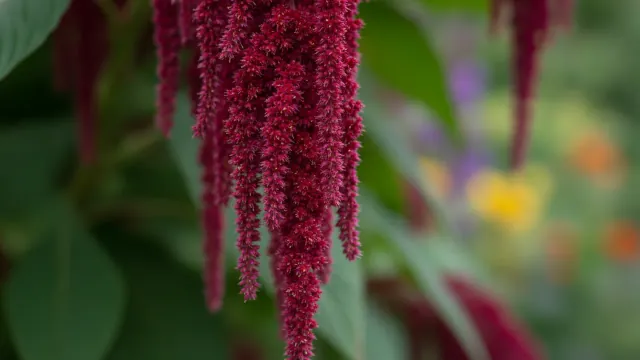
Love-Lies-Bleeding
Shares full sun and low to moderate water; overlaps, then carries the display into mid fall; both offer pollinator forage; taller at 3.5 ft, for the layer behind it.
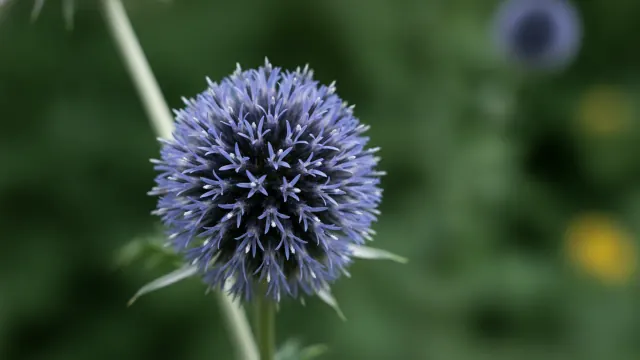
Globe Thistle
Shares full sun and low water; overlaps, then carries the display into late summer; its seed heads stand through winter, for structure and the birds; both offer pollinator forage; they only overlap in zone 9.
Explore similar plants
You might also like
Design a garden with this
Drop this plant onto a 3D plan, see how it fills in, and watch your whole garden bloom across the year.