
 Illustration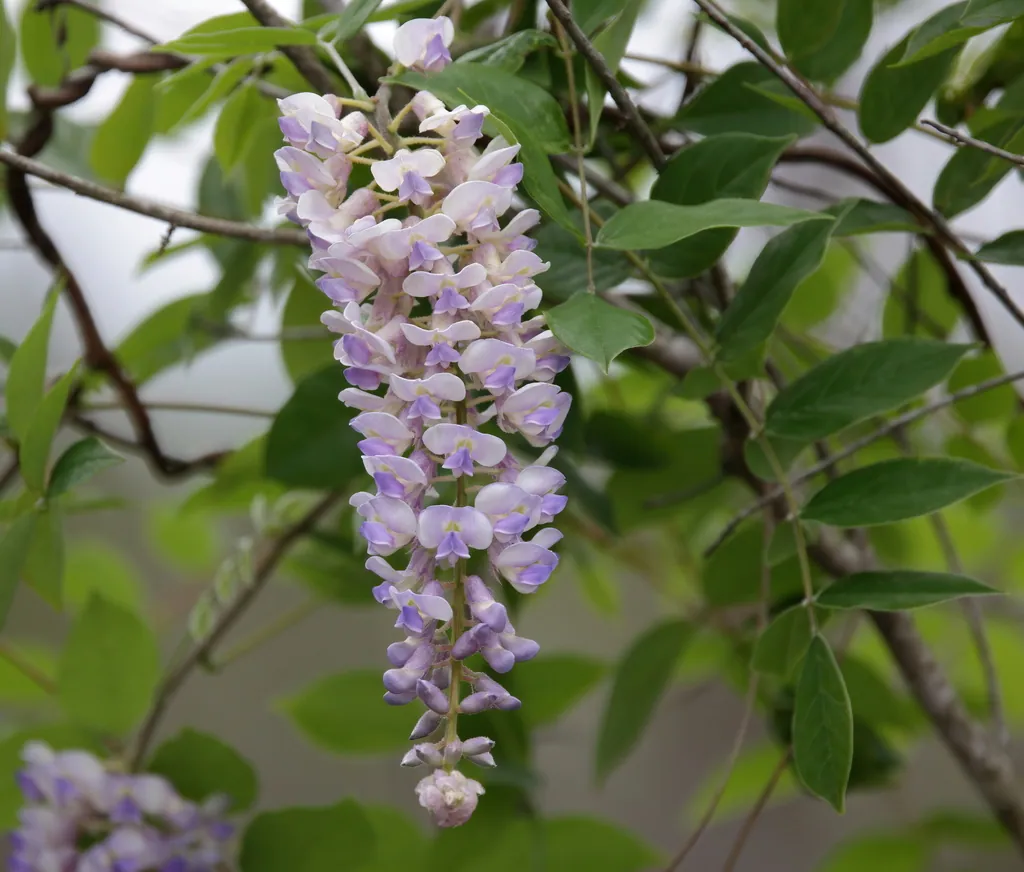
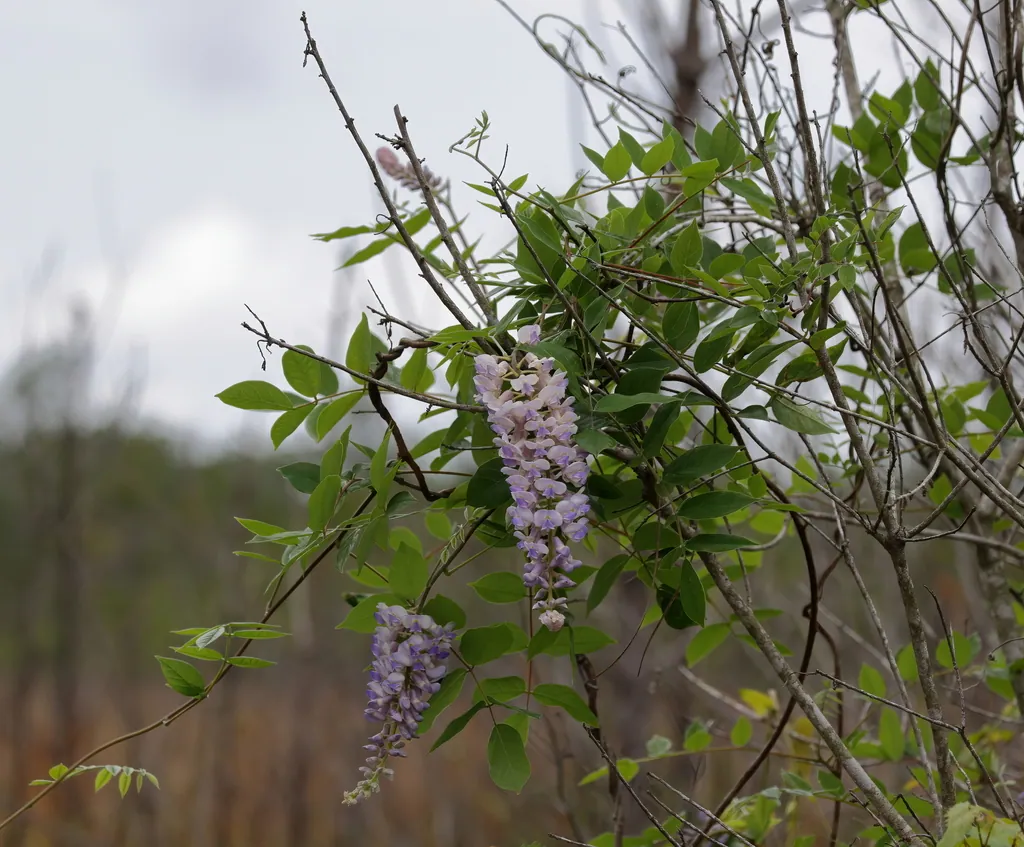
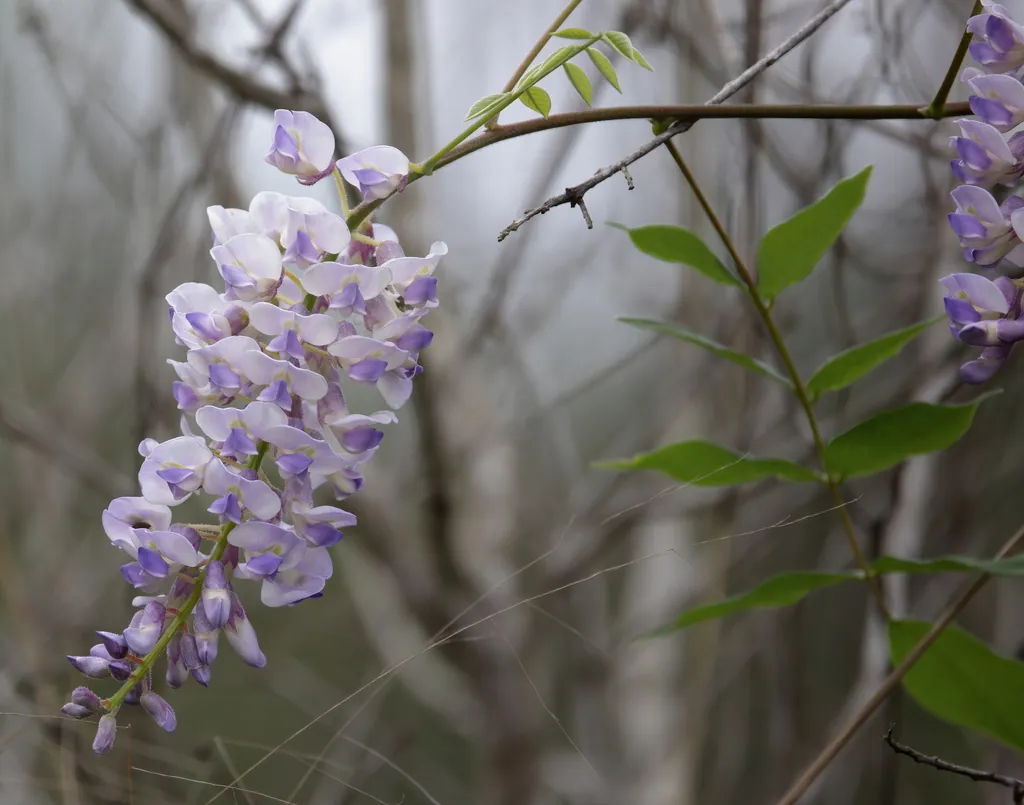
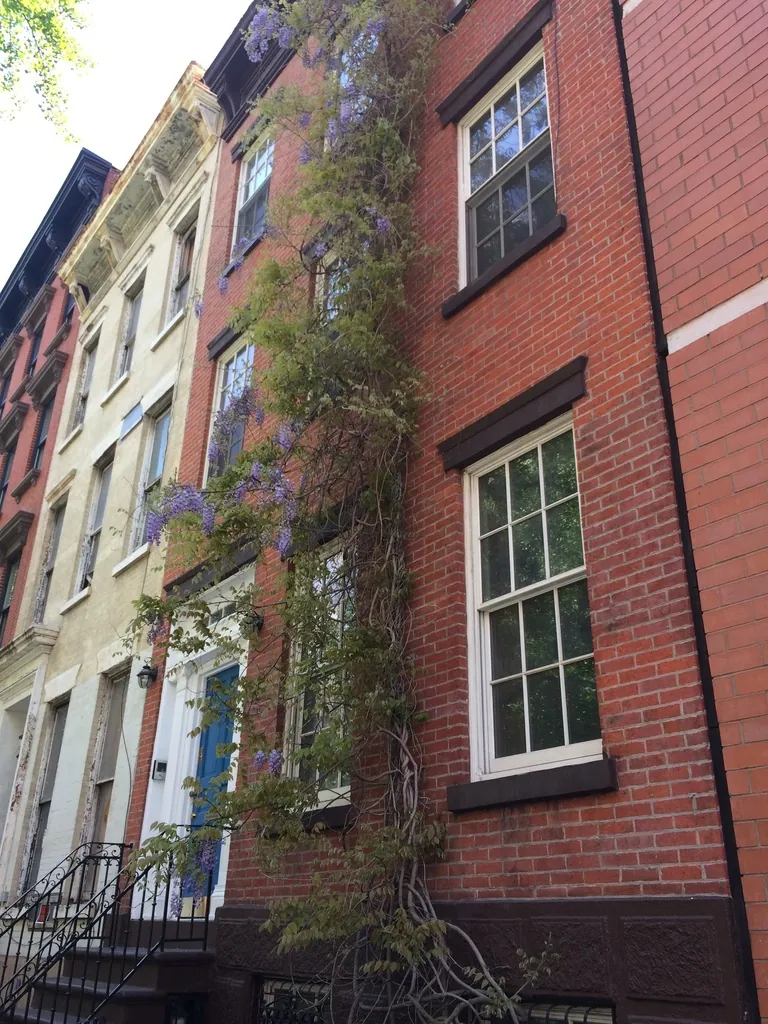
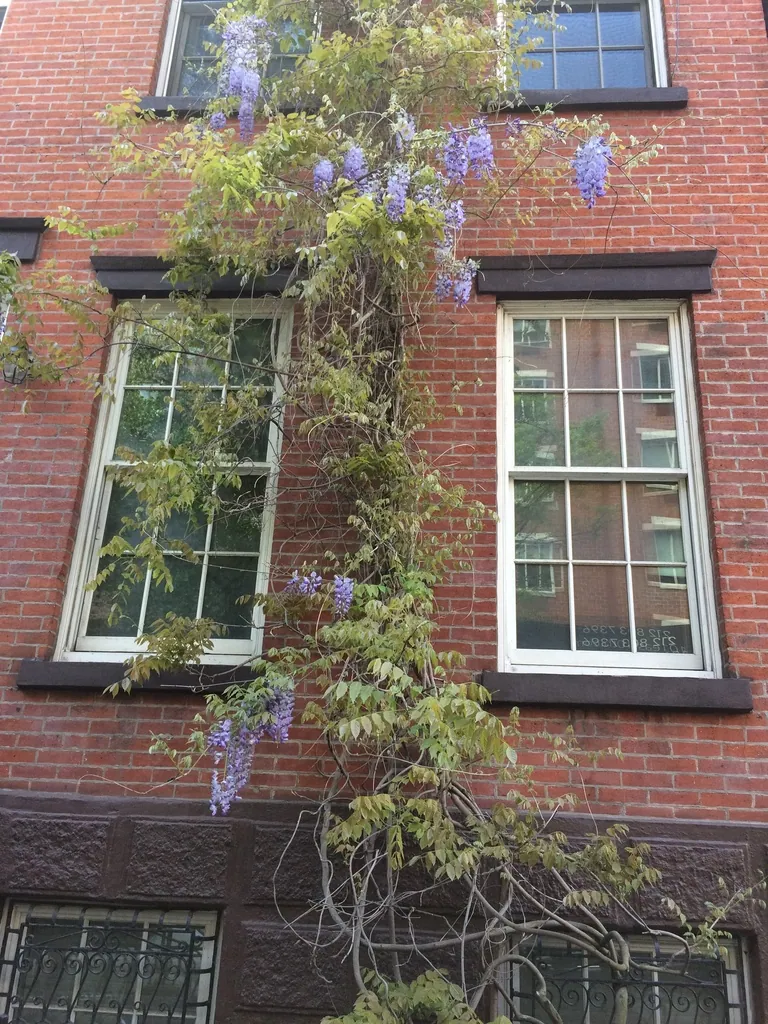
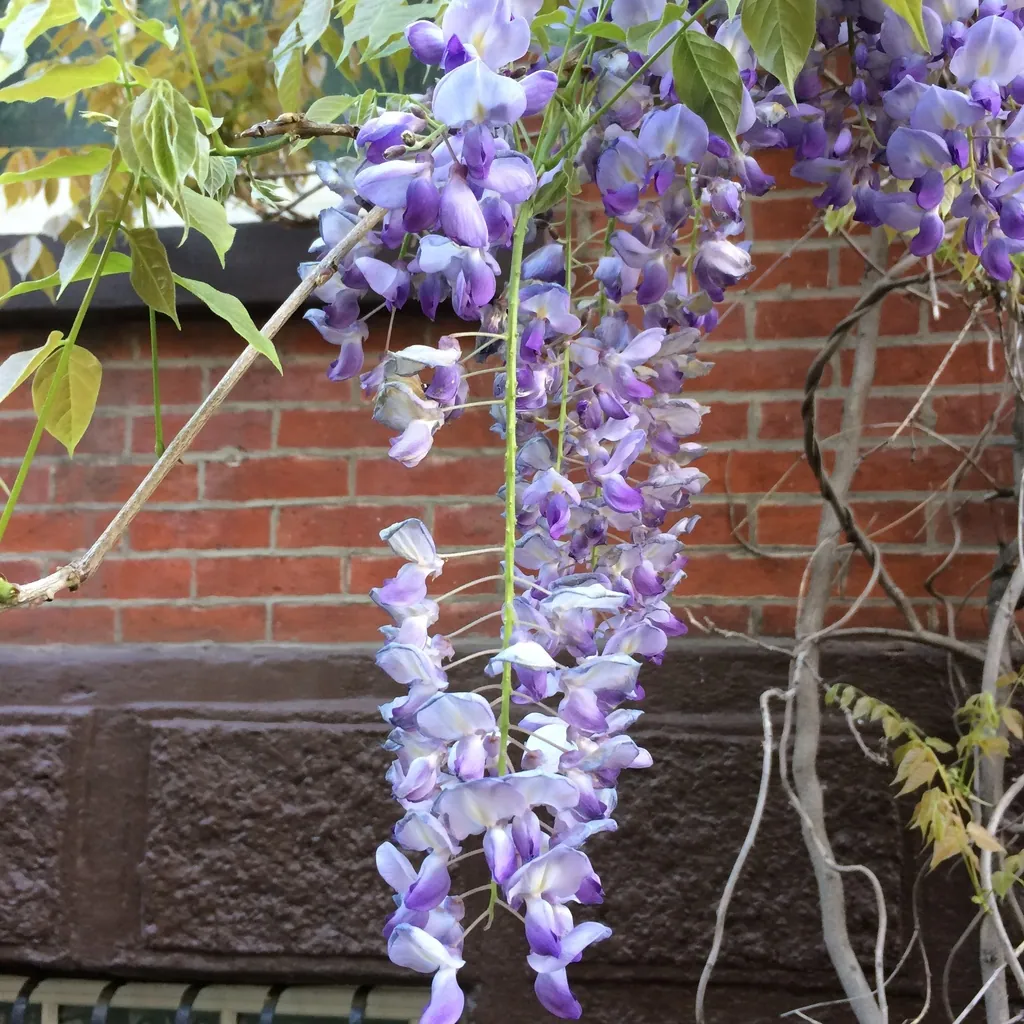

Photo credits and licenses
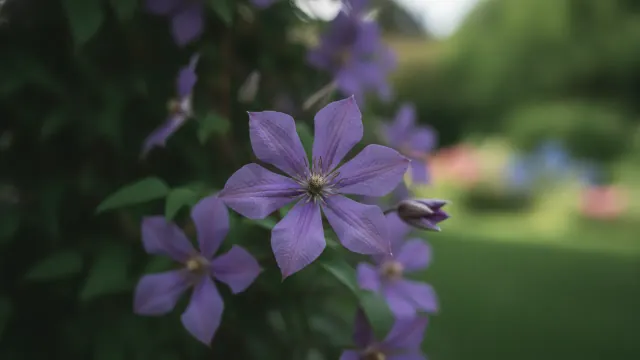
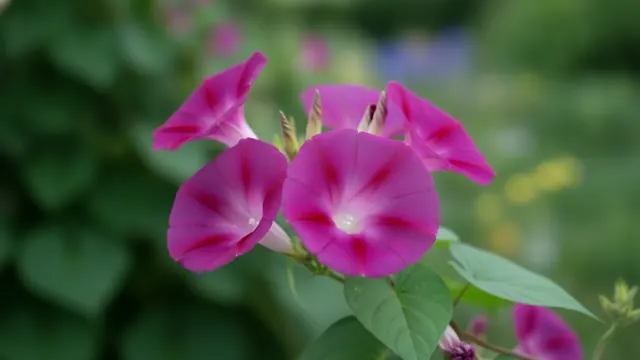
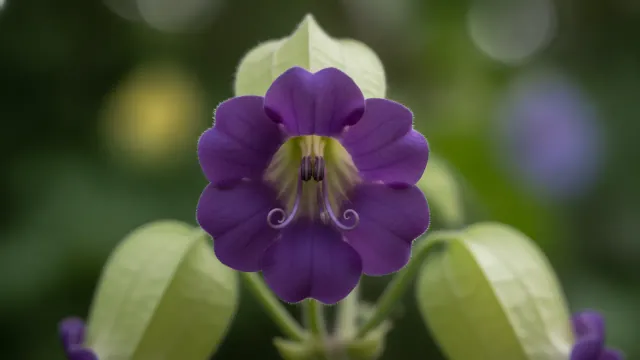
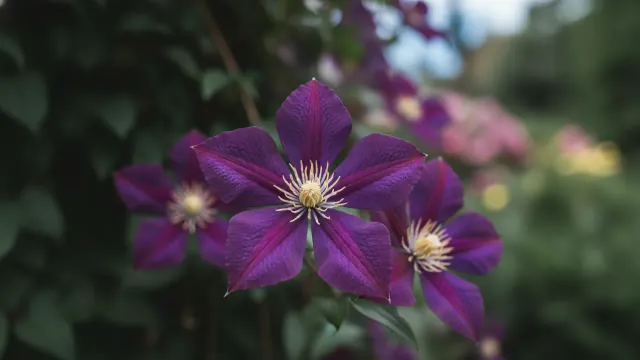
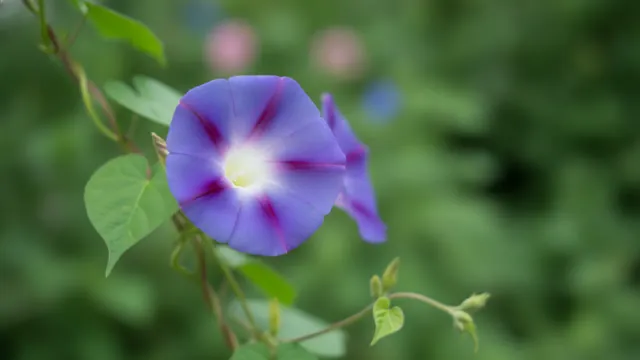
Real photographs from naturalists and photographers worldwide, each used under its own license. Credit: Photo by Lauren McLaurin / iNaturalist (CC BY), Photo by Lauren McLaurin / iNaturalist (CC BY), Photo by Lauren McLaurin / iNaturalist (CC BY), Photo by Dilrukshan Priyantha Wijesinghe / iNaturalist (CC BY), Photo by Dilrukshan Priyantha Wijesinghe / iNaturalist (CC BY) and Photo by Dilrukshan Priyantha Wijesinghe / iNaturalist (CC BY). How photos are sourced →

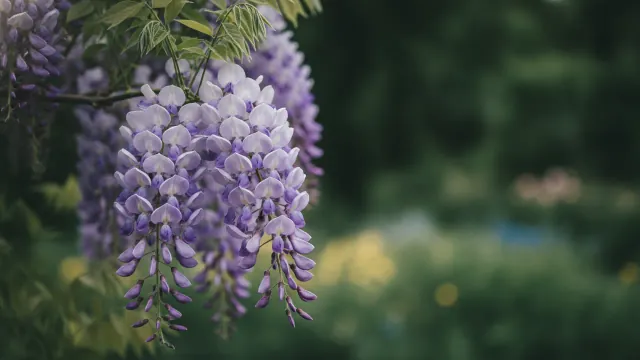
Wisteria
Wisteria
Also called chinese wisteria and japanese wisteria
Wisteria blooms from April through May.
Months here are Northern Hemisphere months; in the Southern Hemisphere, shift them by six months.
Growing Wisteria
Plant it in full sun. It prefers moderate water. It is hardy in USDA zones 5–9. Expect it to reach about 26 ft tall and 13 ft wide at maturity, in roughly 5 years (not yet checked).
What was checked
Mature height and spread, hardiness zones, sun and the trait tags were checked against named botanical sources for this plant. The bloom months and water need on this page were not, and each fact above says which. The planting, spacing and size sections are derived from these checked facts by a fixed rule, not checked separately, and the plant type is the library's own classification.
When to plant Wisteria
Plant Wisteria in early spring as soon as the soil is workable, or in early fall at least six weeks before your first frost, so roots establish in cool weather. In zone 7, the middle of its hardy zones 5 to 9, spring means March to May and fall means September or October. Once settled, it blooms from April to May.
Month-by-month timing for your zone is on the planting calendar; if you garden near zone 7, the middle of this plant's hardy range, start with zone 7 in March. Derived from the plant's category, zones and bloom months plus typical zone frost dates, not checked separately.
How big does Wisteria get?
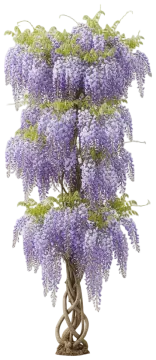 26 fttall5 ft 7 inan adult13 ftwide
See Wisteria in a garden plan: the planner shows it in 3D beside everything else you add, growing toward this size over the years.
How far apart to plant Wisteria
Derived from the mature spread above by a fixed rule, not checked separately: spacing is the spread, center to center.
Give Wisteria about 13 ft of clear ground in every direction, measured from its center. It is one plant with room around it, not a row, and a raised bed is too small for it.
Add Wisteria to a garden plan and the planner draws it at its full width, so you see the spacing before you buy.
Where these facts come from
Wisteria's height, spread, hardiness zones, sun and trait tags were checked against 13 published sources on July 30, 2026. Each one is linked below with every fact it carried, which can include a fact this page still marks as not yet checked, because a source carrying a value is not the same as the value being held to the standard. Facts not in that list, and the planting, spacing and size sections, are not covered by these sources.
- NC State ExtensionWisteria frutescensheight, spread, hardiness zones, sun, years to mature size and trait tags
- NC State ExtensionWisteria sinensisheight, spread, hardiness zones, sun, years to mature size and trait tags
- Missouri Botanical GardenWisteria floribundaheight, spread, hardiness zones, sun and trait tags
- Missouri Botanical GardenWisteria sinensisheight, spread, hardiness zones, sun and trait tags
- Missouri Botanical GardenWisteria frutescensheight, spread, hardiness zones, sun and trait tags
- NC State ExtensionWisteriaheight, hardiness zones, sun, years to mature size and trait tags
- NC State ExtensionWisteria floribundaheight, hardiness zones, sun, years to mature size and trait tags
- Purdue ArboretumWisteria frutescens 'Amethyst Falls'height, spread, sun, years to mature size and trait tags
- RHSWisteriaheight, spread, sun, years to mature size and trait tags
- RHSWisteriaheight, spread, sun, years to mature size and trait tags
- mnhardy.umn.eduUniversity of Minnesota Minnesota Hardy (Summer Cascade wisteria)height, sun and years to mature size
- Utah State University ExtensionWisteria in the Gardensun, years to mature size and trait tags
- University of Florida IFASUF/IFAS Gardening Solutions (Wisteria)sun and trait tags
How the checking works, and what each standard covers, is on the verified plants page.
Comes in 4 colors
Same genus, similar care - pick the color you are growing.
Compare every color in the Wisteria group
Every figure is the color's own page fact. Tap a name to open it.
| Name | Color | Blooms | Hardiness | Sun | Size (H × W) |
|---|---|---|---|---|---|
| Amethyst Falls | Purple | Apr–May | Zones 5–9 | Full sun | 20 ft × 10 ft |
| Blue Moon | Blue | Apr–May | Zones 3–9 | Full sun | 20 ft × 10 ft |
| Pink Wisteria (Rosea) | Pink | Apr–May | Zones 5–9 | Full sun | 26 ft × 13 ft |
| White Wisteria (Alba) | White | Apr–May | Zones 5–9 | Full sun | 26 ft × 13 ft |
| Wisteriathis page | Purple | Apr–May | Zones 5–9 | Full sun | 26 ft × 13 ft |
Good to know about Wisteria
Curated from university extensions, botanic gardens and other primary sources, with the source named on every note. A note reports what its source says; where that differs from a fact above, the fact above is this entry's stored value, and its mark says whether it has been checked.
Safety
Toxic to people, dogs, cats and horses; all parts, and the dangling seed pods worst. Eating them brings vomiting, diarrhea and stomach pain. Keep pods from children. per ASPCA and National Capital Poison Center
Worth knowing
The vigor that makes it beautiful can wreck things: thick trunk-like stems pry apart gutters, crush a light trellis, or girdle and kill a tree. Use a heavy support. per NC State and University of Maryland
Native vs invasive species
In the eastern US, Chinese and Japanese wisteria are aggressive invasives that strangle trees. Plant the native American wisteria (W. frutescens), which is far better behaved. per NC State and University of Maryland
Slow to first bloom
A young wisteria in full sun that will not flower is usually just immature. Many take until their second or third year, sometimes much longer if seed-grown. per NC State
Prune twice a year
Prune hard about twice a year to tame it and boost flowering: shorten the long whippy summer shoots, then cut back to a few buds in late winter. per NC State and Clemson
Deer resistant
Reported deer resistant across the native and both Asian species, in keeping with its toxic, unpalatable leaves that browsers avoid. per NC State
Pollinator and wildlife value
The fragrant spring flowers draw bees and butterflies, and the native American wisteria hosts Zarucco Duskywing and Long-Tailed Skipper caterpillars. per NC State
What pairs well with Wisteria
Good companions share its growing conditions and add something it lacks: an earlier or later bloom, a lower carpet in front, or structure through winter.
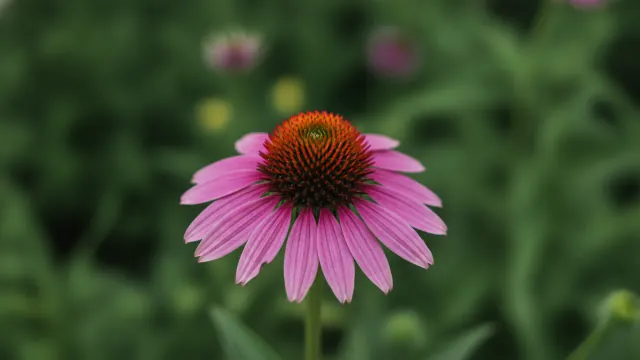
Purple Coneflower
Shares full sun and low to moderate water; blooms in early summer as this one finishes; both are strong pollinator plants, and they feed in different months; its seed heads stand through winter, for structure and the birds.
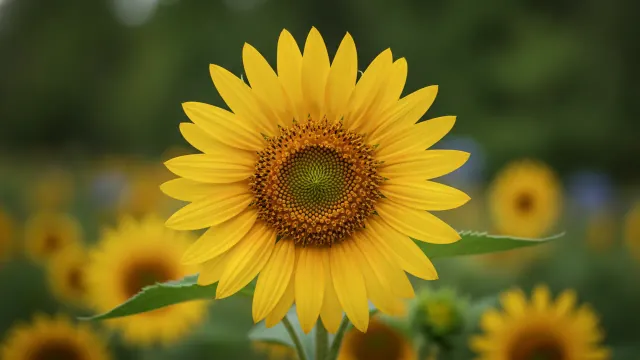
Perennial Sunflower
Shares full sun and moderate water; blooms in late summer, extending the bed's season; both are strong pollinator plants, and they feed in different months; its seed heads stand through winter, for structure and the birds.
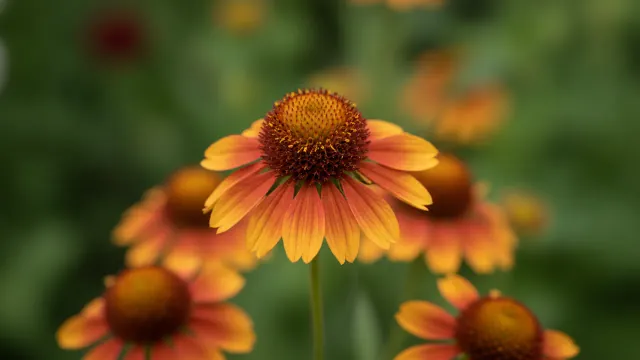
Sneezeweed
Shares full sun and moderate water; blooms in midsummer, extending the bed's season; both are strong pollinator plants, and they feed in different months; its seed heads stand through winter, for structure and the birds.
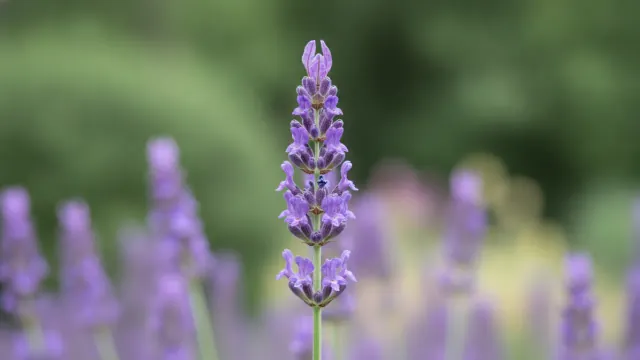
Lavender
Shares full sun and low to moderate water; blooms in early summer as this one finishes; both are strong pollinator plants, and they feed in different months; evergreen, so the bed keeps its shape through winter.
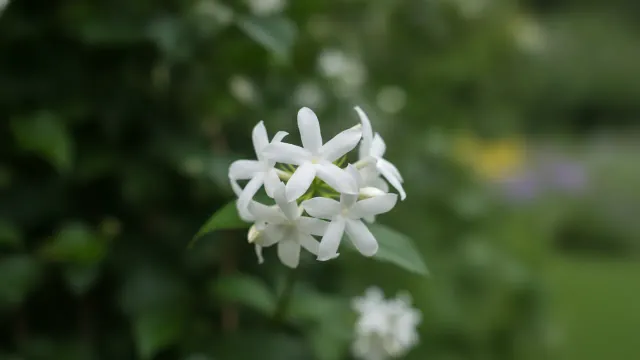
Jasmine
Shares full sun and moderate water; blooms in early summer as this one finishes; both are strong pollinator plants, and they feed in different months; shorter at 10 ft, an understory layer.
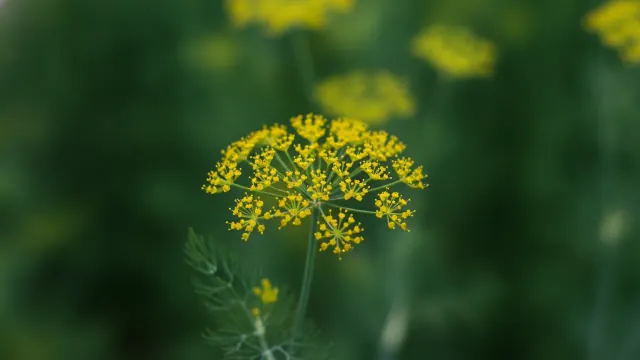
Dill
Shares full sun and moderate water; blooms in early summer as this one finishes; both are strong pollinator plants, and they feed in different months; yellow against purple, for contrast.
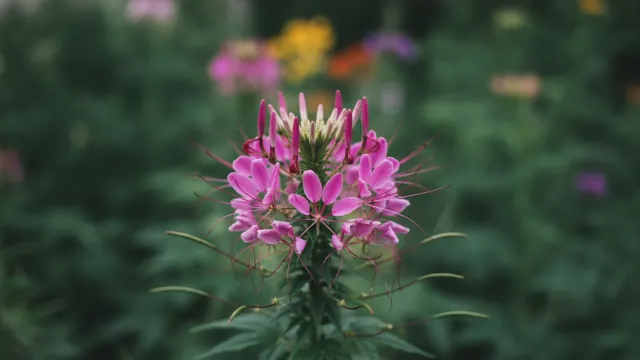
Cleome
Shares full sun and moderate water; blooms in early summer as this one finishes; both are strong pollinator plants, and they feed in different months; low at 4 ft, to carpet the ground beneath it.
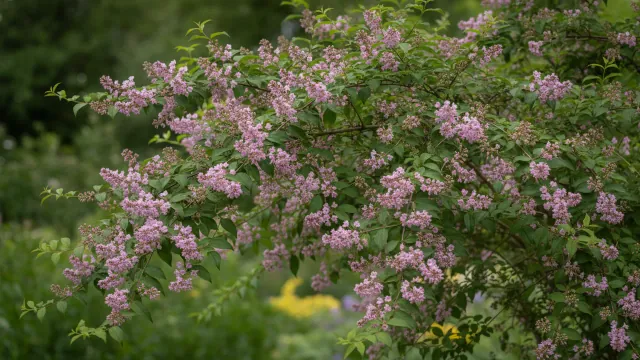
Beautyberry
Takes full sun to part sun and moderate water; blooms in early summer as this one finishes; both are strong pollinator plants, and they feed in different months; shorter at 5 ft, an understory layer.
Featured in these guides
Explore similar plants
You might also like
Design a garden with this
Drop this plant onto a 3D plan, see how it fills in, and watch your whole garden bloom across the year.