
Practical
Hosta Varieties Compared: Blue, Gold, and White-Edged, Matched to Your Shade
The shade garden's backbone, in blue, gold, and every edge between. One table of checked records, and the rule that matters most: leaf color tells you the light.
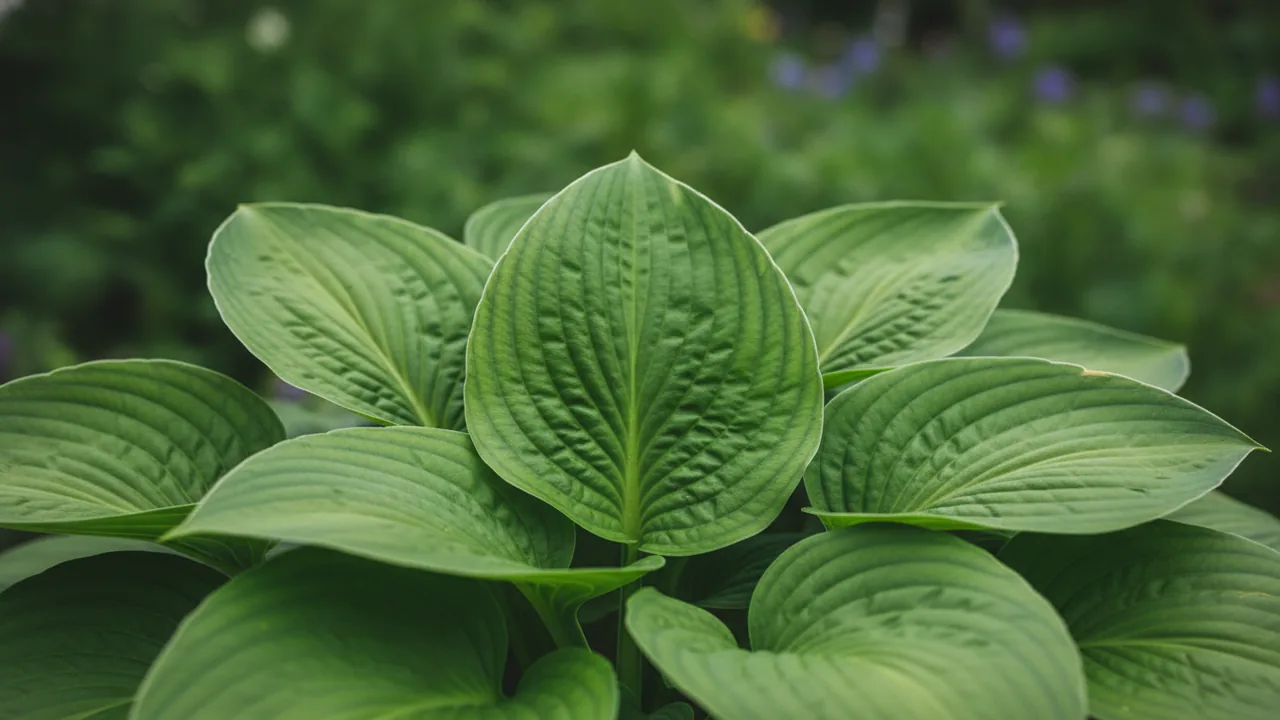
Hostas hold the shade garden together: bold leaves that return every spring, ask for little, and fill the corners where flowers give up. Choosing one comes down to three questions: how big, what leaf color, and how much light. The second answers the third. All 24 in our library sit in the variety table on the hosta page; this guide is the shortlist from the source-checked records, and our shade guide covers what to plant around them.
Which hosta should I plant?
For most shady gardens, 'Francee': a 2-foot mound of dark green leaves with clean white edges that hold their color all season and take more sun than many hostas. Then let your light pick the color. The shadiest spots want a blue: 'Krossa Regal' for a tall frosty vase in full shade, 'Big Daddy' for a broad puckered mound in part shade. Morning sun suits a gold, and 'Dancing Queen' stays yellow all season. For a pot, 'Blue Mouse Ears' tops out at 12 inches. None of them wants afternoon sun.
| Variety | Leaf color | Height | Sun | Zones |
|---|---|---|---|---|
| Hosta | The genus entry: green, blue, gold, or variegated | 2 ft | Full shade | 3 to 9 |
| 'Blue Mouse Ears' | Blue-green | 12 in | Part shade | 3 to 8 |
| Shadowland 'Autumn Frost' | Blue, yellow edge fading to cream | 16 in | Part shade | 3 to 9 |
| 'Blue Ivory' | Blue, wide creamy white edge | 1.5 ft | Part shade | 3 to 8 |
| 'Francee' | Dark green, narrow white edge | 2 ft | Part shade | 3 to 9 |
| 'Big Daddy' | Blue | 2.5 ft | Part shade | 3 to 8 |
| 'Dancing Queen' | Yellow | 2.5 ft | Part shade | 3 to 8 |
| 'Fortunei Aureomarginata' | Deep green, gold edge | 3 ft | Part shade | 3 to 8 |
| 'Avocado' | Chartreuse, wide dark green edge | 3 ft | Part shade | 3 to 9 |
| 'Krossa Regal' | Frosty blue-gray | 3 ft | Full shade | 3 to 8 |
Leaf color decides the light
A blue hosta is a green leaf under a waxy coating that sun burns off, so blues want your deepest shade and are bluest early in the season. Gold works the other way: two or three hours of morning sun deepen it, and heavy shade leaves it yellow-green. White and cream edges brighten a dark corner but are the first part of a leaf to scorch, so most edged hostas want shade too. Every color agrees on one thing: shade in the afternoon.
The shadiest spots: the big blues
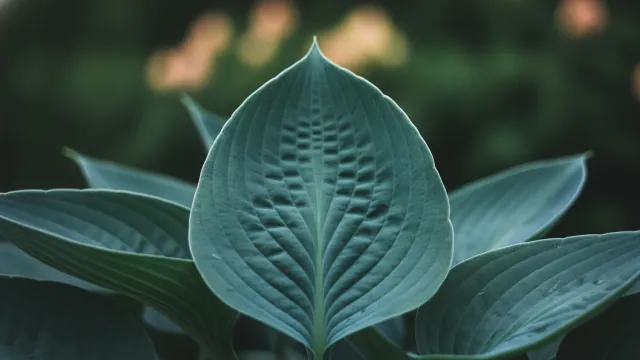
Hosta 'Krossa Regal'
The classic upright blue: frosty blue-gray leaves in a 3-foot vase rather than the usual mound, with lavender flowers on stalks well above them in summer. Rated for full shade, zones 3 to 8, with thick leaves that resist slugs well.
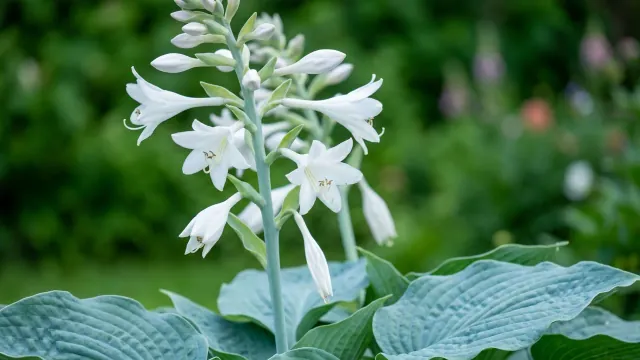
Hosta 'Big Daddy'
Round, cupped, deeply puckered leaves of chalky blue, heavy enough to shrug off slugs better than thin leaves do, in a broad mound 2.5 feet tall in flower. In part shade with only brief morning sun, it holds its blue through most of the season before aging toward green.
A brighter spot: the golds, and one tough white edge
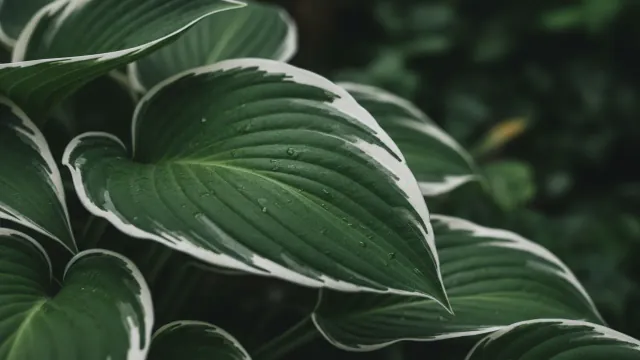
Hosta 'Francee'
The one for most gardens: dark green leaves with a narrow, clean white margin that holds its color all season and stands up to more sun than many hostas. A low, spreading mound 2 feet tall for zones 3 to 9 that edges a path or carpets a bed.
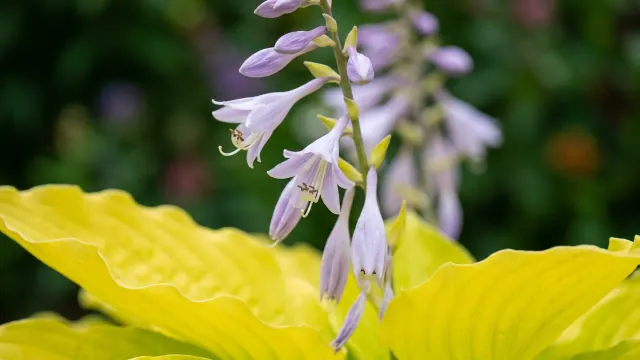
Hosta 'Dancing Queen'
The gold that stays gold: bright yellow leaves with a ruffled piecrust edge stay yellow all season, where many yellow hostas turn chartreuse. A little morning sun deepens the color, and too much shade turns it greenish. The 2020 Hosta of the Year.
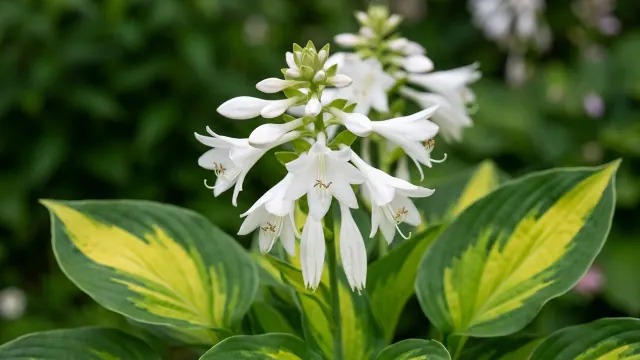
Hosta 'Avocado'
The fragrant one: chartreuse centers that turn gold as they age, inside a wide dark green margin, and scented flowers from July to August. A fast grower that takes some morning sun, it belongs beside a path, where the scent can reach you.
Pots and small spaces: the smaller blues
The three smallest hostas here are all blues, so give the pot real shade: growers warn that a hosta in a container scorches more easily than one in the ground. Our container guide covers the rest.
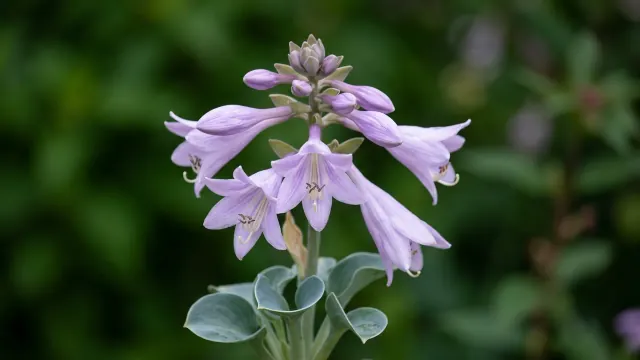
Hosta 'Blue Mouse Ears'
The miniature: thick, almost rubbery, round blue-green leaves that curl like a mouse's ear, in a neat mound, 12 inches tall in flower. The 2008 Hosta of the Year, and a grower's pick for containers, rock gardens, and edging.
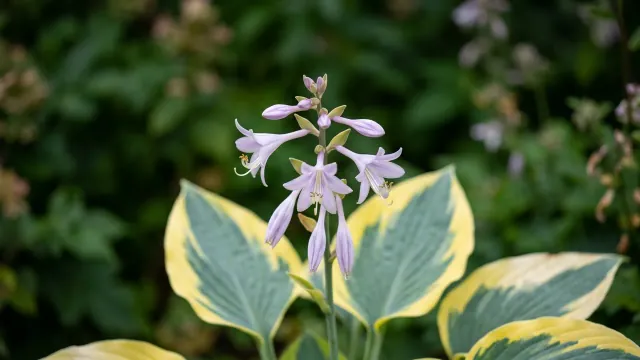
Hosta 'Autumn Frost'
Frosty blue leaves with broad yellow margins that pale to creamy white as summer goes on: two looks from one plant. A low mound, 16 inches tall in flower, from Walters Gardens' Shadowland collection and rated for zones 3 to 9.
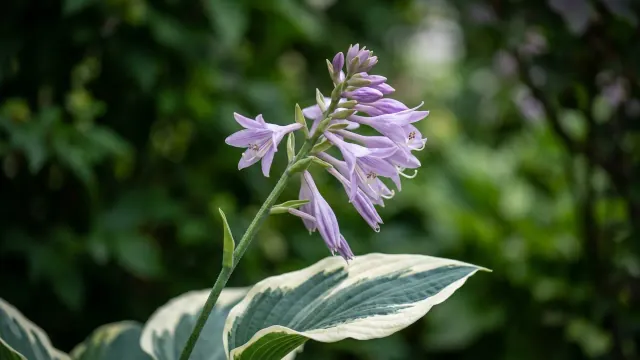
Hosta 'Blue Ivory'
A blue center inside a broad creamy margin that brightens to white by summer, on thick leaves that resist slugs. At 1.5 feet tall it fills a big pot or the front of a shady bed, and that white edge lights up a dim corner.
Not in the table yet
The table holds the records that were source-checked when this guide was written, so some famous names wait outside it: 'Halcyon', the American Hosta Society's 2026 Hosta of the Year, a blue that holds its color longer than most and the parent of 'Blue Ivory'; 'Sum and Substance', a chartreuse-to-gold giant that colors best with some sun; and 'Empress Wu', a 4-foot giant. Each page shows where its check stands.
Can hostas grow in full sun?
Not as a rule: every hosta in this guide is rated for part or full shade. Morning sun is fine and helps the golds color up, but hot afternoon sun scorches the leaves, starting with the pale parts of variegated ones. Short on shade, choose a gold or green hosta and keep the soil evenly moist; for a truly sunny bed, our full-sun perennials guide is the better start.
Why is my blue hosta turning green?
Because the blue is a waxy coating on a green leaf, and it wears off: sun burns it away, heavy rain washes it, and even in good shade most blues drift toward green as the season ages them, 'Big Daddy' included. Plant blues in your deepest shade, water the soil rather than the leaves, and enjoy them at their bluest in spring.
What is eating holes in my hosta leaves?
Usually slugs, which feed at night: large, ragged holes and a silvery slime trail, worst in cool, wet weather. Thick leaves like those of 'Krossa Regal' and 'Big Daddy' resist them better than thin ones. Leaves eaten away to bare stalks, often overnight, usually mean deer, which eat hostas readily, and sometimes rabbits; a fence is the surest defense, and repellents buy time.
When should I cut back and divide hostas?
No pruning is needed. Snip the flower stalks after bloom for a tidier plant, and once frost flattens the leaves, clear them so pests and disease have less to winter in; our fall cleanup guide has the timing. Divide in early spring as the shoots break ground, every few years or when a clump outgrows its spot; the dividing guide shows how.
Sources for these facts
Every plant in this guide's table is source-checked, one plant at a time against published sources; each plant's own page names its sources and the facts each one carried. Every source behind their growing facts, with how many of these plants it covers:
- Missouri Botanical Garden9 plants
- Chicago Botanic Garden8 plants
- Plant Addicts8 plants
- Walters Gardens7 plants
- Plant Delights Nursery6 plants
- RHS5 plants
- NC State Extension4 plants
- ahshostahelper.com3 plants
- hostaregistrar.org3 plants
- Iowa State University Extension3 plants
- nhhostas.com3 plants
- Perennials.com (Heritage Perennials)3 plants
- Clemson Home and Garden Information Center2 plants
- plants.mahoneysgarden.com2 plants
- sugarcreekgardens.com2 plants
- University of Georgia Extension2 plants
- University of Illinois Extension2 plants
- University of Minnesota Extension2 plants
- US plant patent (Google Patents)2 plants
- conceptplants.com1 plant
- gertens.com1 plant
- patentimages.storage.googleapis.com1 plant
- patuxentnursery.com1 plant
- Penn State Extension1 plant
- Perennial Resource (Walters Gardens)1 plant
- plants.gertens.com1 plant
- plants.longfellowsgreenhouses.com1 plant
- Pleasant Run Nursery1 plant
- Proven Winners1 plant
- thegardenct.com1 plant
- wasconursery.com1 plant
- whiteflowerfarm.com1 plant
What each level of checking covers: how plants are checked.
Design a garden with these plants
Open BloomsEye Studio with this guide's plants ready to drop onto a plan, then watch the whole bed bloom across the year. New to it? See what the free garden planner does.