
 Illustration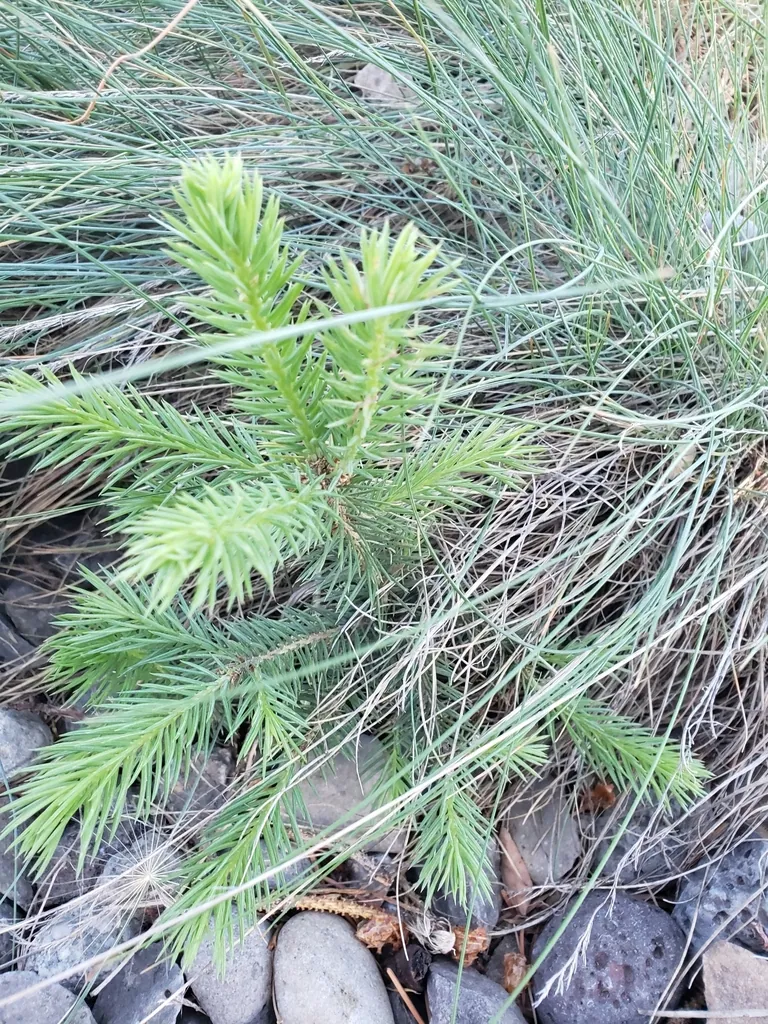
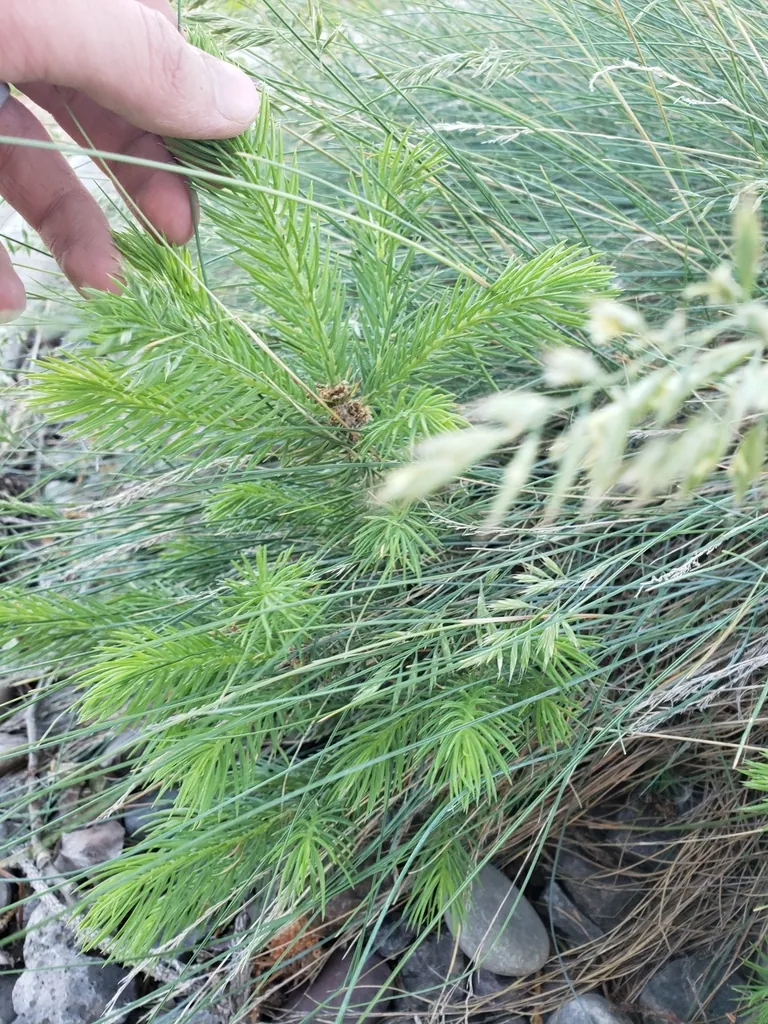
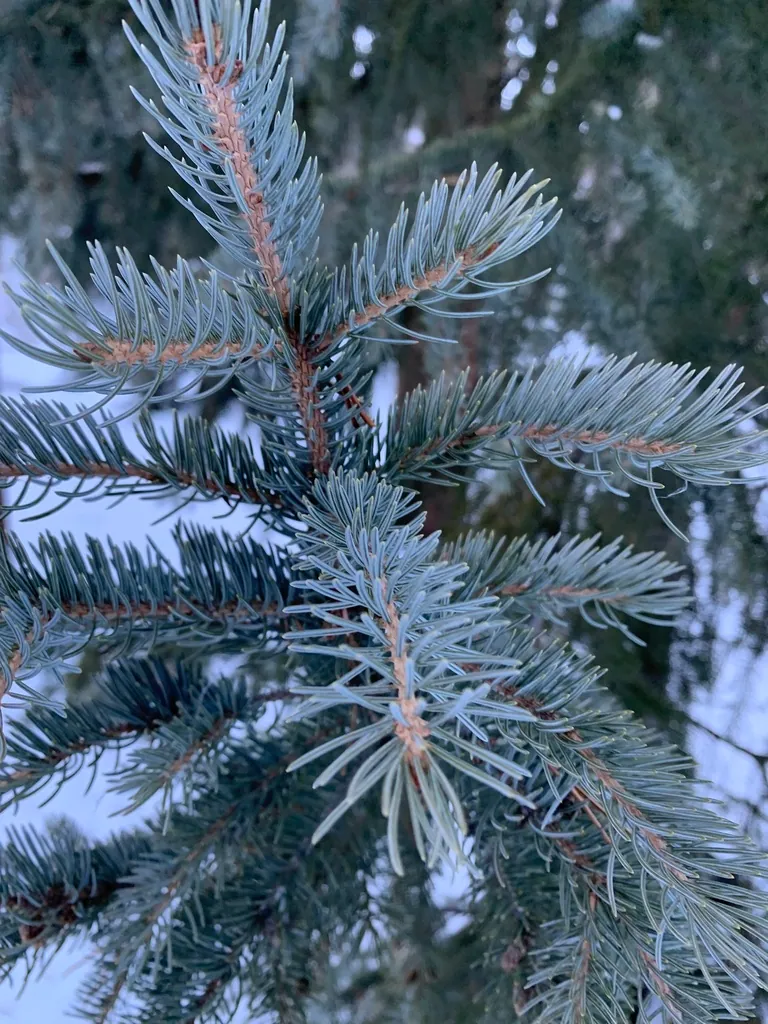

Photo credits and licenses
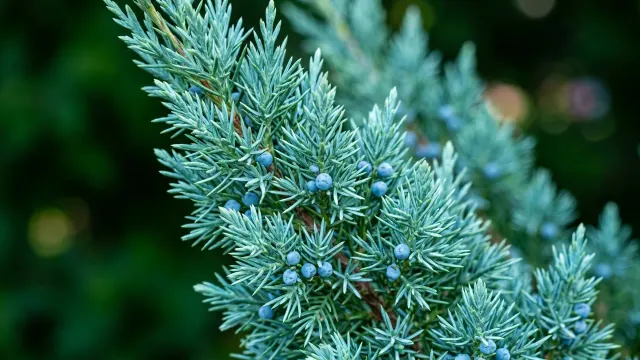
Real photographs from naturalists and photographers worldwide, each used under its own license. Credit: Photo by Logan / iNaturalist (CC BY), Photo by Logan / iNaturalist (CC BY) and Photo by sblumen / iNaturalist (CC BY). How photos are sourced →

Colorado Blue Spruce
Picea pungens
Colorado Blue Spruce is grown for its foliage rather than flowers, giving the garden structure and color all season long.
Months here are Northern Hemisphere months; in the Southern Hemisphere, shift them by six months.
Growing Colorado Blue Spruce
Plant it in full sun. It prefers moderate water. It is hardy in USDA zones 2–7. Expect it to reach about 49 ft tall and 20 ft wide at maturity, in roughly 20 years (not yet checked).
No toxicity note is on file for Colorado Blue Spruce. That is not a clearance: check its safety for people and pets before planting.
What was checked
Mature height and spread, hardiness zones, sun and the trait tags were checked against named botanical sources for this plant. The bloom months and water need on this page were not, and each fact above says which. The planting, spacing and size sections are derived from these checked facts by a fixed rule, not checked separately, and the plant type is the library's own classification.
When to plant Colorado Blue Spruce
Plant Colorado Blue Spruce in spring once the soil is workable, or by very early fall at the latest: an evergreen needs its roots down well before the ground freezes. In zone 5, the middle of its hardy zones 2 to 7, that is April to June, or August on the fall side.
Month-by-month timing for your zone is on the planting calendar; if you garden near zone 5, the middle of this plant's hardy range, start with zone 5 in April. Derived from the plant's category, zones and bloom months plus typical zone frost dates, not checked separately.
How big does Colorado Blue Spruce get?
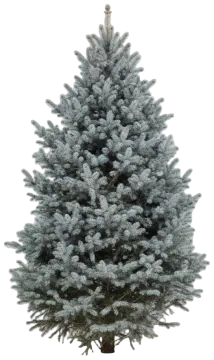 49 fttall5 ft 7 inan adult20 ftwide
See Colorado Blue Spruce in a garden plan: the planner shows it in 3D beside everything else you add, growing toward this size over the years.
How far apart to plant Colorado Blue Spruce
Derived from the mature spread above by a fixed rule, not checked separately: spacing is the spread, center to center.
Give Colorado Blue Spruce about 20 ft of clear ground in every direction, measured from its center. It is one plant with room around it, not a row, and a raised bed is too small for it.
Add Colorado Blue Spruce to a garden plan and the planner draws it at its full width, so you see the spacing before you buy.
Where these facts come from
Colorado Blue Spruce's height, spread, hardiness zones, sun and trait tags were checked against 10 published sources on July 29, 2026. Each one is linked below with every fact it carried, which can include a fact this page still marks as not yet checked, because a source carrying a value is not the same as the value being held to the standard. Facts not in that list, and the planting, spacing and size sections, are not covered by these sources.
- Missouri Botanical Gardenheight, spread, hardiness zones, sun and trait tags
- NC State ExtensionPlant Toolboxheight, spread, hardiness zones, sun and trait tags
- Plants For A Futureheight, spread, hardiness zones, sun and trait tags
- The Morton Arboretumheight, spread, hardiness zones, sun and trait tags
- Oregon State UniversityLandscape Plantsheight, hardiness zones, sun and trait tags
- The Tree Centerheight, spread, hardiness zones and sun
- conifers.orgThe Gymnosperm Database (conifers.org)height, hardiness zones and trait tags
- conifersociety.orgAmerican Conifer Societyheight, hardiness zones and trait tags
- Lady Bird Johnson Wildflower Centerheight, sun and trait tags
- treesandshrubsonline.orgTrees and Shrubs Online (International Dendrology Society)height and hardiness zones
How the checking works, and what each standard covers, is on the verified plants page.
9 more varieties in the Spruce group
Same genus, similar care - pick the one you are growing.
Compare every variety in the Spruce group
Every figure is the variety's own page fact. Tap a name to open it.
| Variety | Color | Blooms | Hardiness | Sun | Size (H × W) |
|---|---|---|---|---|---|
| Baby Blue | Foliage | Foliage plant | Zones 2–7 | Full sun | 20 ft × 10 ft |
| Bird's Nest | Foliage | Foliage plant | Zones 3–7 | Full sun | 3.5 ft × 5 ft |
| Colorado Bluethis page | Foliage | Foliage plant | Zones 2–7 | Full sun | 49 ft × 20 ft |
| Dwarf Alberta | Foliage | Foliage plant | Zones 2–6 | Full sun | 4 ft × 4 ft |
| Fat Albert | Foliage | Foliage plant | Zones 2–7 | Full sun | 30 ft × 13 ft |
| Globe Blue | Foliage | Foliage plant | Zones 2–7 | Full sun | 3.5 ft × 5 ft |
| Hoopsii | Foliage | Foliage plant | Zones 2–7 | Full sun | 30 ft × 13 ft |
| Montgomery | Foliage | Foliage plant | Zones 2–7 | Full sun | 5 ft × 5 ft |
| Norway | Foliage | Foliage plant | Zones 3–7 | Full sun | 59 ft × 26 ft |
| Weeping Norway | Foliage | Foliage plant | Zones 3–7 | Full sun | 10 ft × 6.5 ft |
Good to know about Colorado Blue Spruce
Curated from university extensions, botanic gardens and other primary sources, with the source named on every note. A note reports what its source says; where that differs from a fact above, the fact above is this entry's stored value, and its mark says whether it has been checked.
Worth knowing
The silvery-blue color is not pigment but a waxy coating on the needles. The bluest selections vary from tree to tree, so they are propagated by name. per NC State
Should you plant it?
In cool, dry climates like its native Rockies it stays healthy. In the humid East and Midwest it is chronically diseased, and extensions there now advise against planting it. per NC State and Wisconsin
Its worst needle disease
Rhizosphaera needle cast is its worst disease: inner needles on the lower branches turn purple-brown and drop, working up and out, sometimes leaving bare holes. per UMass and Wisconsin
Branch dieback from the bottom
Cytospora canker attacks stressed trees, killing branches from the bottom up over years. The giveaway is white resin oozing over the bark. There is no cure. per UMass and Morton
Deer and rabbit resistant
The stiff, sharp, spine-tipped needles deter deer and rabbits, so it is rated resistant to both. Under heavy pressure it is a deterrent, not a guarantee. per NC State
Harmless tip galls
Cooley gall adelgids make 2 to 4 in cone-like galls at branch tips, green then browning by mid-July. They look alarming but are largely cosmetic. per Colorado State and UMass
What pairs well with Colorado Blue Spruce
Good companions share its growing conditions and add something it lacks: an earlier or later bloom, a lower carpet in front, or structure through winter.
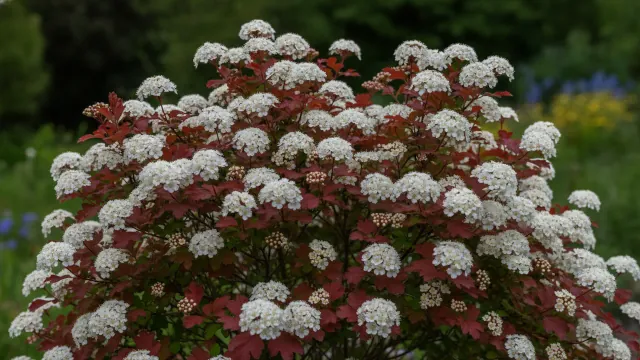
Ninebark
Shares full sun and moderate water; low at 6.5 ft, to carpet the ground beneath it; both are North American natives.
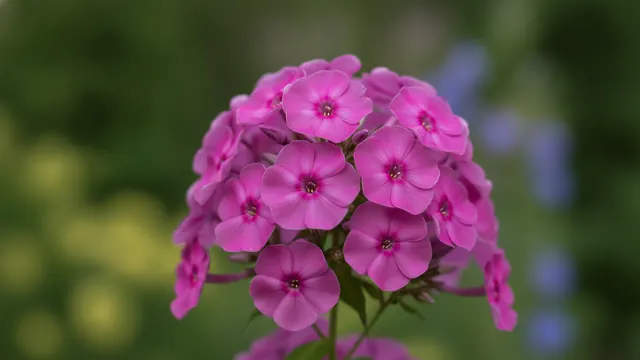
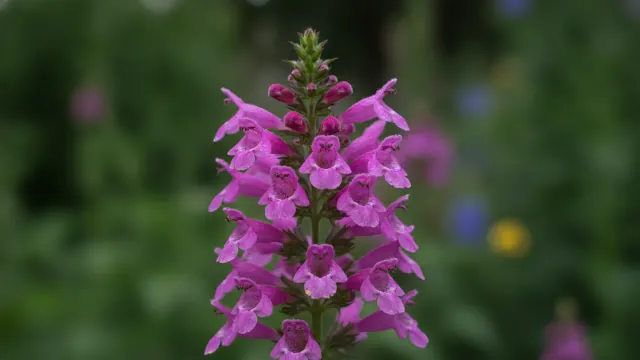
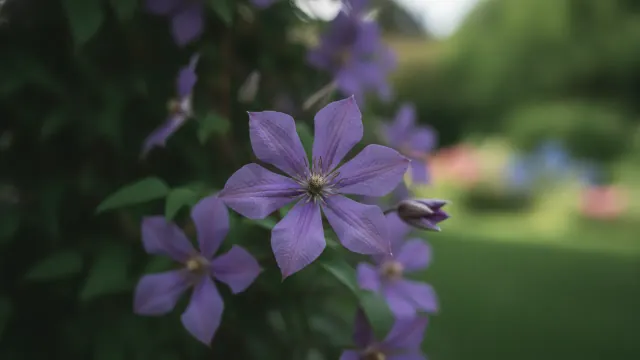
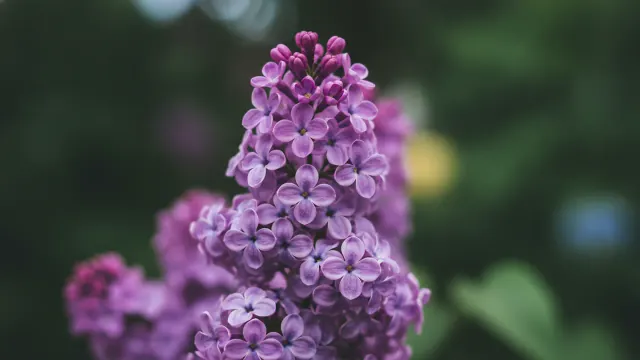
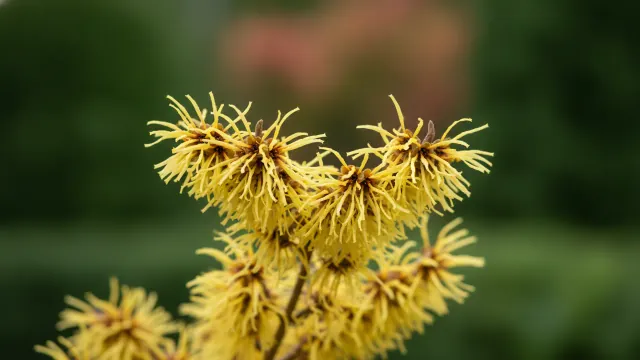
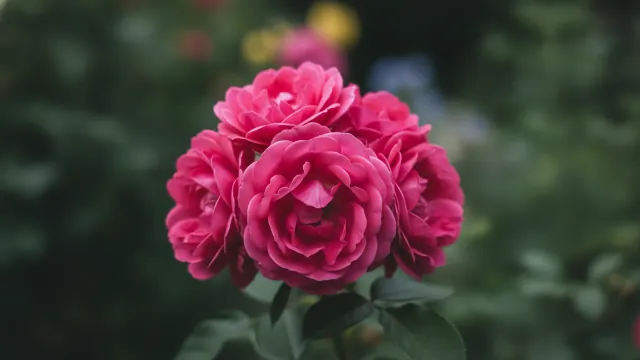
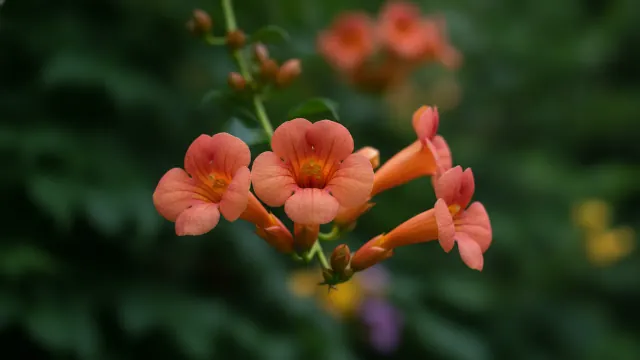
Try Colorado Blue Spruce with its top companions in a garden →
Featured in these guides
Explore similar plants
You might also like
 Foliage
 Foliage
 Foliage
 Foliage
 Foliage
 Foliage
Design a garden with this
Drop this plant onto a 3D plan, see how it fills in, and watch your whole garden bloom across the year.