
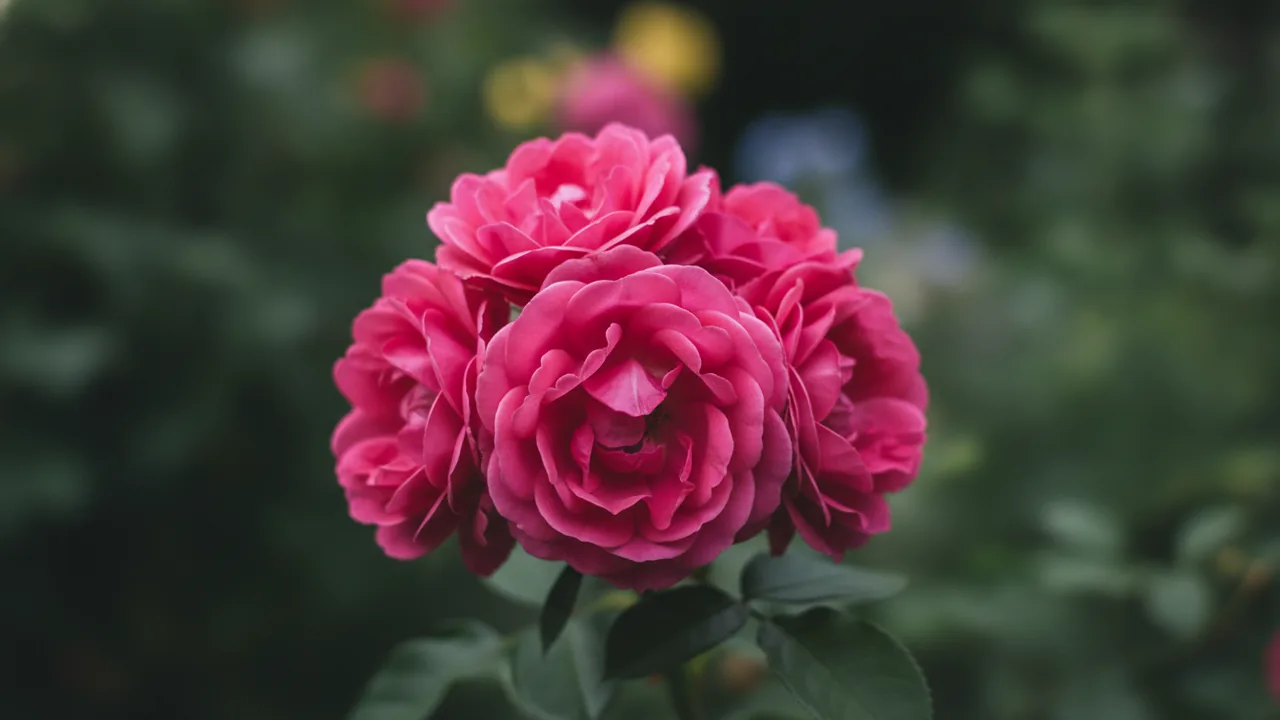
 Illustration

Climbing Rose
Rosa
Climbing Rose blooms from May through September.
Months here are Northern Hemisphere months; in the Southern Hemisphere, shift them by six months.
Growing Climbing Rose
Plant it in full sun. It prefers moderate water. It is hardy in USDA zones 5–9. Expect it to reach about 10 ft tall and 5 ft wide at maturity, in roughly 3 years (not yet checked).
What was checked
Mature height and spread, hardiness zones, sun and the trait tags were checked against named botanical sources for this plant. The bloom months and water need on this page were not, and each fact above says which. The planting, spacing and size sections are derived from these checked facts by a fixed rule, not checked separately, and the plant type is the library's own classification.
When to plant Climbing Rose
Plant Climbing Rose in early spring as soon as the soil is workable, or in early fall at least six weeks before your first frost, so roots establish in cool weather. In zone 7, the middle of its hardy zones 5 to 9, spring means March to May and fall means September or October. Once settled, it blooms from May to September.
Month-by-month timing for your zone is on the planting calendar; if you garden near zone 7, the middle of this plant's hardy range, start with zone 7 in March. Derived from the plant's category, zones and bloom months plus typical zone frost dates, not checked separately.
How big does Climbing Rose get?
 10 fttall5 ft 7 inan adult5 ftwide
See Climbing Rose in a garden plan: the planner shows it in 3D beside everything else you add, growing toward this size over the years.
How far apart to plant Climbing Rose
Derived from the mature spread above by a fixed rule, not checked separately: spacing is the spread, center to center.
Space Climbing Rose about 5 ft apart, center to center, so each plant has room to reach its full width.
Add Climbing Rose to a garden plan and the planner draws it at its full width, so you see the spacing before you buy.
Where these facts come from
Climbing Rose's height, hardiness zones, sun and trait tags were checked against 4 published sources on July 29, 2026. Each one is linked below with every fact it carried, which can include a fact this page still marks as not yet checked, because a source carrying a value is not the same as the value being held to the standard. Facts not in that list, and the planting, spacing and size sections, are not covered by these sources.
- NC State ExtensionRosa, genus pagehardiness zones, sun and trait tags
- Clemson Home and Garden Information CenterClemson Cooperative Extension HGIC, Growing Rosesheight and sun
- uvm.eduUniversity of Vermont Extension, A Rose Isn't Just a Roseheight and hardiness zones
- University of Illinois ExtensionRose Typesheight
How the checking works, and what each standard covers, is on the verified plants page.
Good to know about Climbing Rose
Curated from university extensions, botanic gardens and other primary sources, with the source named on every note. A note reports what its source says; where that differs from a fact above, the fact above is this entry's stored value, and its mark says whether it has been checked.
Worth knowing
Train the main canes as horizontally as you can: horizontal canes force far more flowering side shoots, so a fanned climber blooms much more heavily than an upright one. per University of Illinois and University of Maryland
When to prune
Repeat-blooming climbers get pruned in late winter or early spring. Once-blooming ramblers flower on last year's wood, so prune them right after they bloom. Identify the habit first. per University of Illinois
Do rose flowers feed bees?
Single and semi-double roses feed bees, but fully double roses (common in showy climbers) offer little. One study found rose flowers feed bees poorly; leafcutter bees use the leaves. per Wisconsin and PubMed Central
Not a self-clinging vine
A climbing rose has no tendrils or holdfasts, so it cannot attach itself. You must tie its canes to a trellis, fence, arbor, or pillar. per NC State
Not poisonous, but thorny
The ASPCA lists roses as non-toxic to dogs, cats, and horses. The only real hazard is mechanical: thorn punctures, which can become infected. per ASPCA
Black spot, the top disease
The most common rose disease: black spots and yellowing that defoliate the plant. The fungus needs leaves wet about 7 hours to infect, so water at the base. per Clemson
Rose rosette has no cure
Watch for witches-broom growth, soft red distorted shoots, and excess thorns. There is no cure and no chemical control: dig out and destroy the whole plant, roots included. per UC IPM
What pairs well with Climbing Rose
Good companions share its growing conditions and add something it lacks: an earlier or later bloom, a lower carpet in front, or structure through winter.
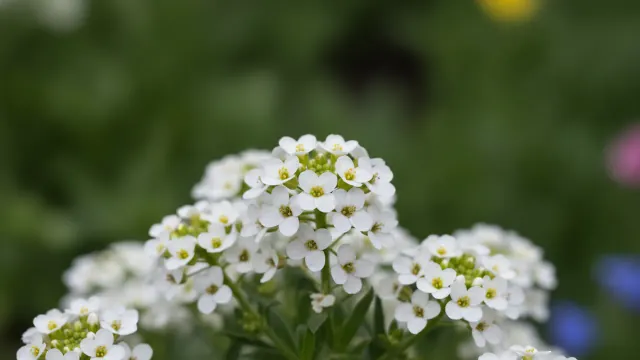
Candytuft
Shares full sun and low to moderate water; opens in mid spring and overlaps into this one's season; low at 10 in, to carpet the ground beneath; evergreen, so the bed keeps its shape through winter.
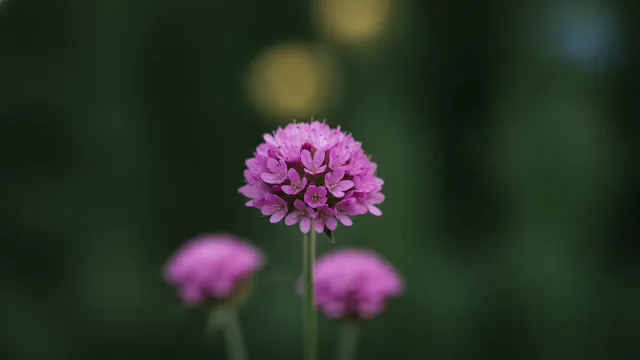
Sea Thrift
Shares full sun and low to moderate water; opens in mid spring and overlaps into this one's season; low at 8 in, to carpet the ground beneath; evergreen, so the bed keeps its shape through winter.
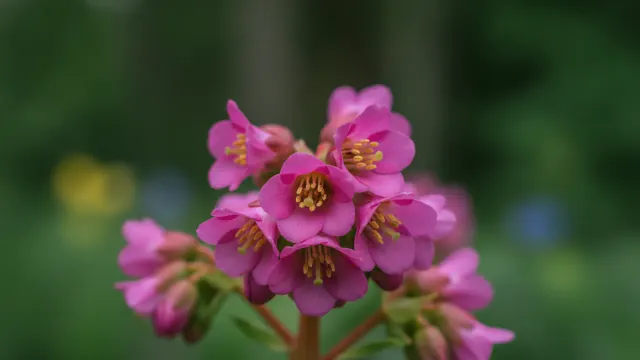
Bergenia
Takes full sun to part sun and moderate water; opens in mid spring and overlaps into this one's season; evergreen, so the bed keeps its shape through winter; low at 1.5 ft, to carpet the ground beneath.
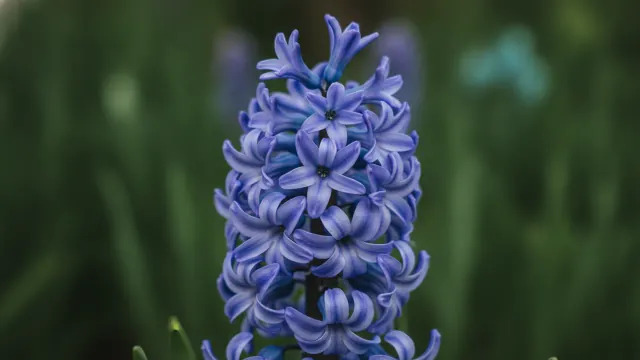
Hyacinth
Shares full sun and moderate water; blooms in early spring, before this one opens; low at 10 in, to carpet the ground beneath.
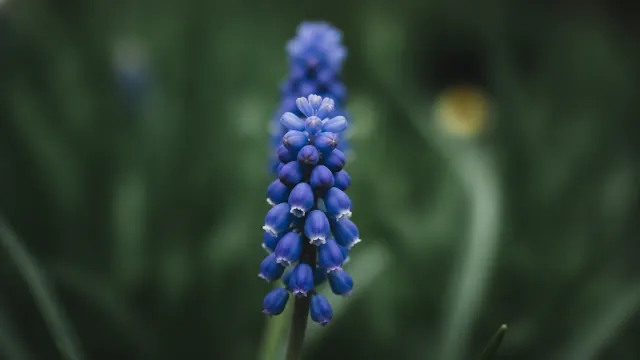
Grape Hyacinth
Shares full sun and low to moderate water; blooms in early spring, before this one opens; low at 8 in, to carpet the ground beneath.
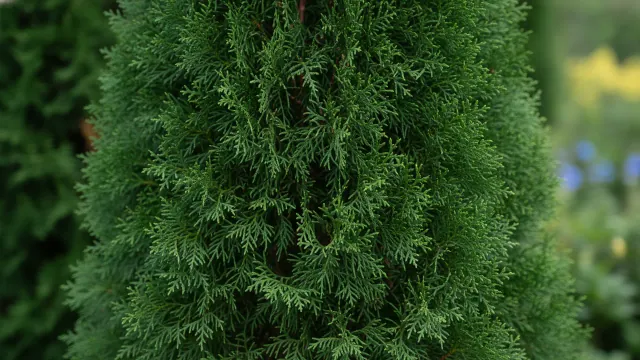
Arborvitae
Shares full sun and moderate water; evergreen, so the bed keeps its shape through winter; taller at 20 ft, for the layer behind it.
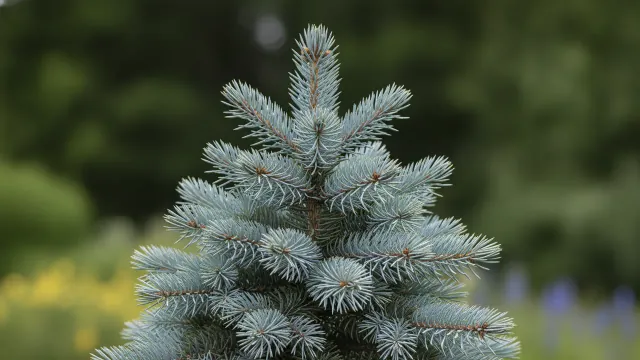
Colorado Blue Spruce
Shares full sun and moderate water; evergreen, so the bed keeps its shape through winter; taller at 49 ft, for the layer behind it.
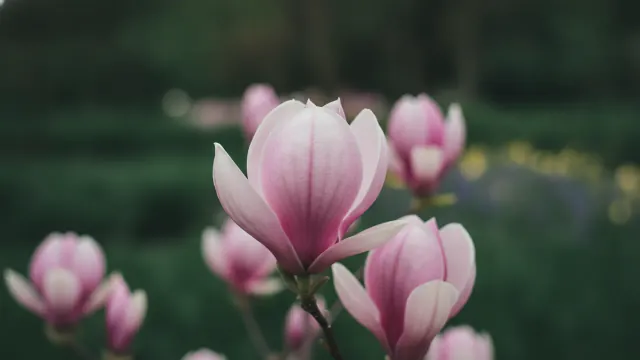
Saucer Magnolia
Shares full sun and moderate water; blooms in early spring, before this one opens; taller at 23 ft, for the layer behind it; echoes the pink.
Featured in these guides
Explore similar plants
You might also like
Design a garden with this
Drop this plant onto a 3D plan, see how it fills in, and watch your whole garden bloom across the year.