
Companion plants for Flowering Crabapple
Flowering Crabapple blooms from April through May. It wants full sun and moderate water. The 8 companion pairings below each state why the pairing works.
Taking over as Flowering Crabapple finishes
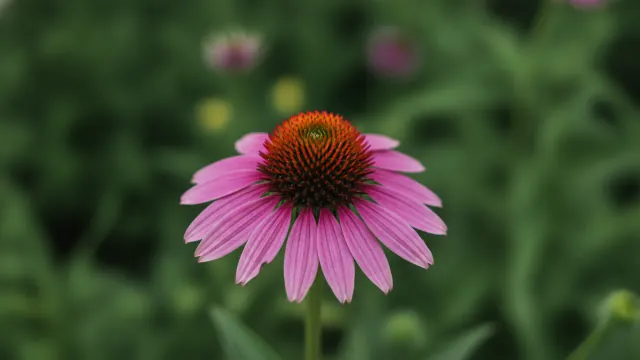
Purple Coneflower
Shares full sun and low to moderate water; blooms in early summer as this one finishes; both are strong pollinator plants, and they feed in different months; its seed heads stand through winter, for structure and the birds.
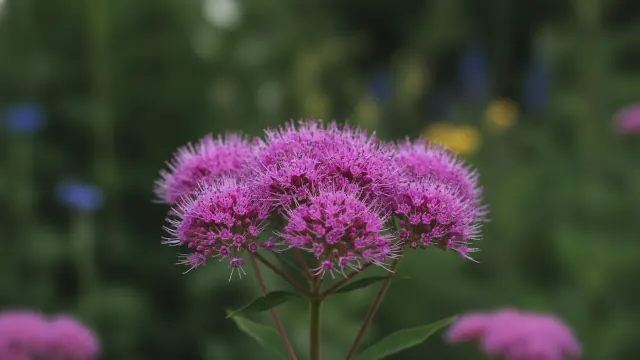
Joe Pye Weed
Shares full sun and moderate to high water; blooms in midsummer, extending the bed's season; both are strong pollinator plants, and they feed in different months; its seed heads stand through winter, for structure and the birds.
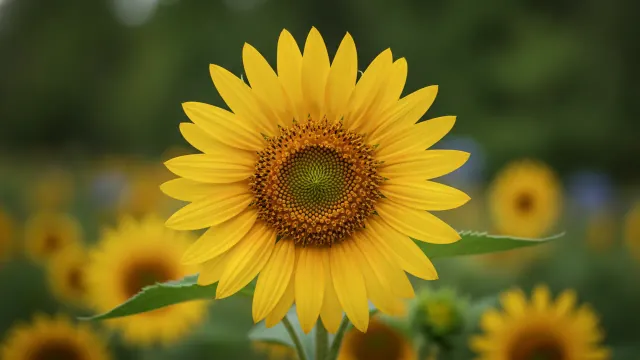
Perennial Sunflower
Shares full sun and moderate water; blooms in late summer, extending the bed's season; both are strong pollinator plants, and they feed in different months; its seed heads stand through winter, for structure and the birds.
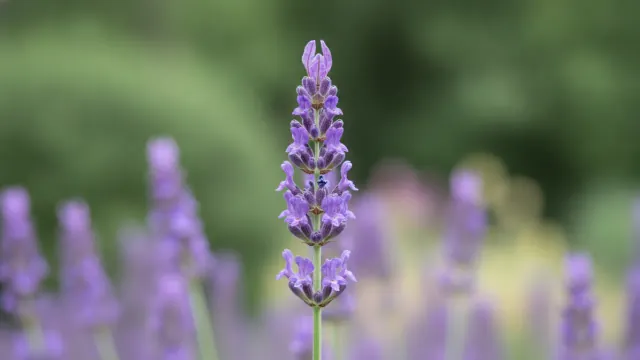
Lavender
Shares full sun and low to moderate water; blooms in early summer as this one finishes; both are strong pollinator plants, and they feed in different months; evergreen, so the bed keeps its shape through winter.
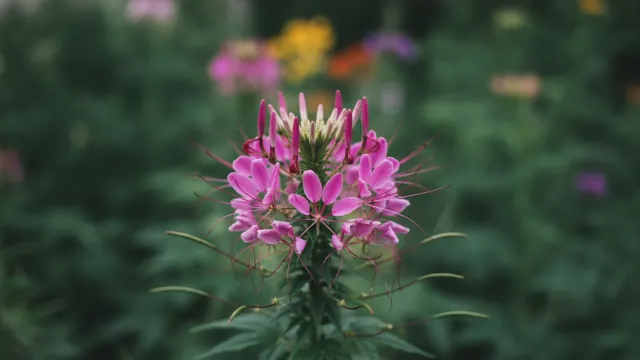
Cleome
Shares full sun and moderate water; blooms in early summer as this one finishes; both are strong pollinator plants, and they feed in different months; shorter at 4 ft, an understory layer.
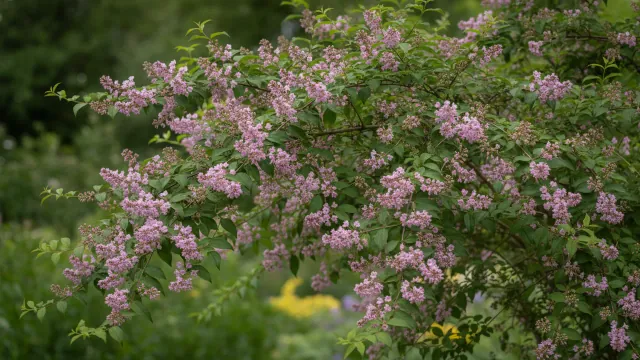
Beautyberry
Takes full sun to part sun and moderate water; blooms in early summer as this one finishes; both are strong pollinator plants, and they feed in different months; shorter at 5 ft, an understory layer.
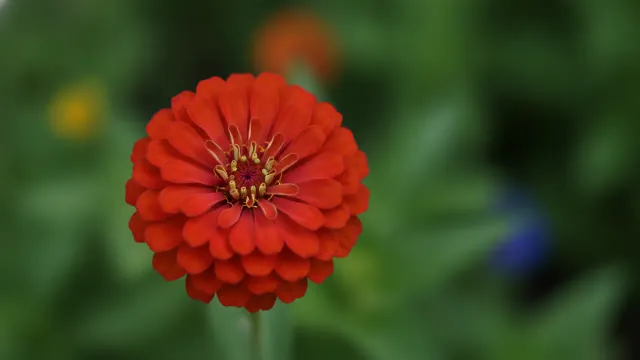
Zinnia
Shares full sun and moderate water; blooms in early summer as this one finishes; both are strong pollinator plants, and they feed in different months; low at 2.5 ft, to carpet the ground beneath it.
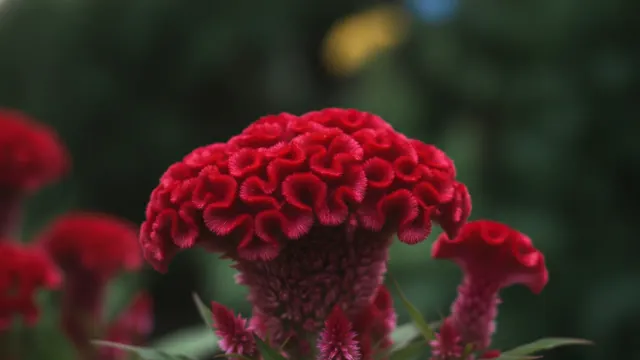
Celosia
Shares full sun and moderate water; blooms in early summer as this one finishes; both are strong pollinator plants, and they feed in different months; red sits close to pink on the wheel.
Try Flowering Crabapple with its top companions in a garden →