
 Illustration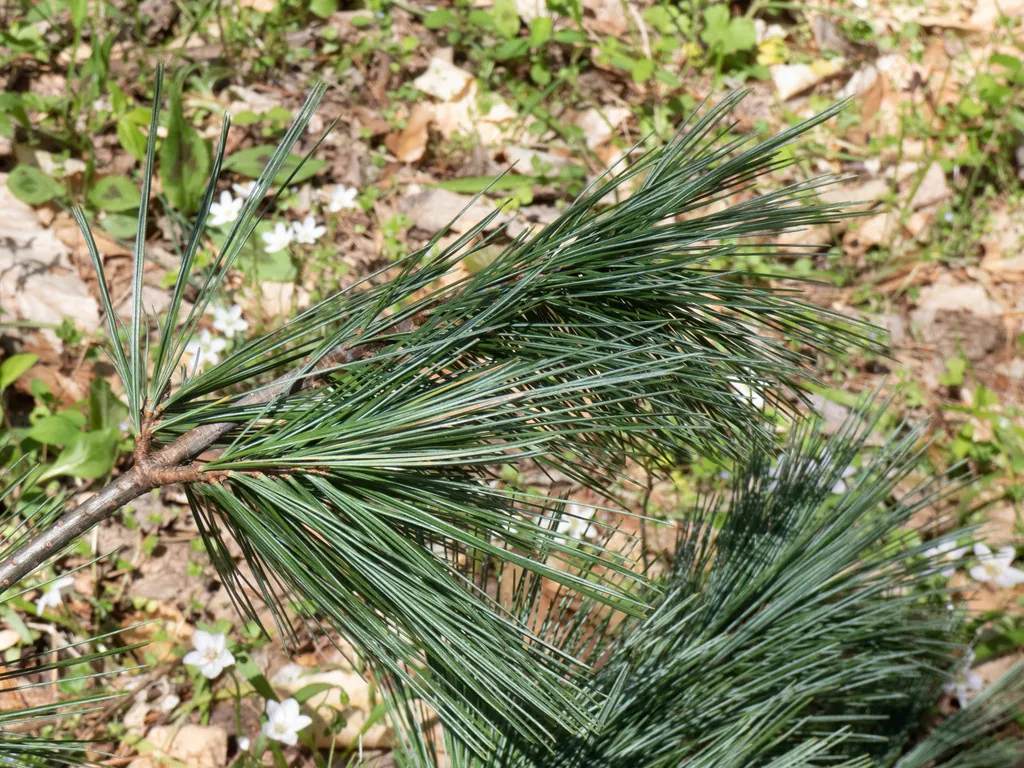
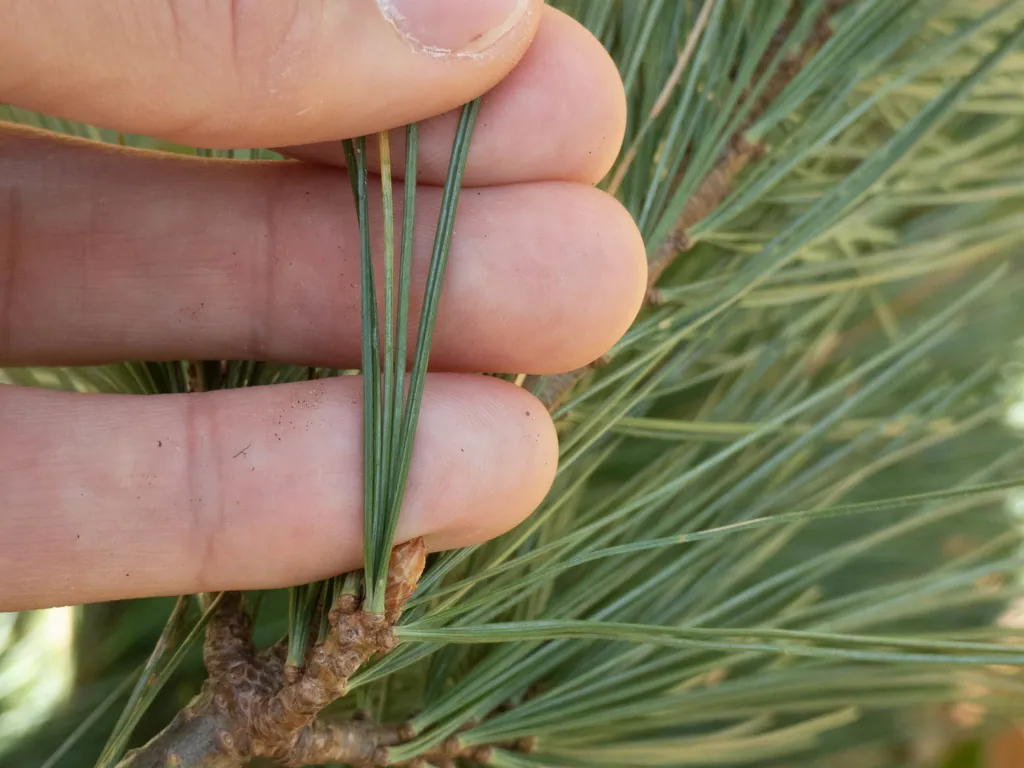

Photo credits and licenses
Real photographs from naturalists and photographers worldwide, each used under its own license. Credit: Photo by Brian White / iNaturalist (CC BY) and Photo by Brian White / iNaturalist (CC BY). How photos are sourced →

Eastern White Pine
Pinus strobus
Eastern White Pine is grown for its foliage rather than flowers, giving the garden structure and color all season long.
Months here are Northern Hemisphere months; in the Southern Hemisphere, shift them by six months.
Growing Eastern White Pine
Plant it in full sun. It prefers moderate water. It is hardy in USDA zones 3–8. Expect it to reach about 59 ft tall and 30 ft wide at maturity, in roughly 20 years (not yet checked).
No toxicity note is on file for Eastern White Pine. That is not a clearance: check its safety for people and pets before planting.
What was checked
Mature height and spread, hardiness zones, sun and the trait tags were checked against named botanical sources for this plant. The bloom months and water need on this page were not, and each fact above says which. The planting, spacing and size sections are derived from these checked facts by a fixed rule, not checked separately, and the plant type is the library's own classification.
When to plant Eastern White Pine
Plant Eastern White Pine in spring once the soil is workable, or by very early fall at the latest: an evergreen needs its roots down well before the ground freezes. In zone 5, the middle of its hardy zones 3 to 8, that is April to June, or August on the fall side.
Month-by-month timing for your zone is on the planting calendar; if you garden near zone 5, the middle of this plant's hardy range, start with zone 5 in April. Derived from the plant's category, zones and bloom months plus typical zone frost dates, not checked separately.
How big does Eastern White Pine get?
 59 fttall5 ft 7 inan adult30 ftwide
See Eastern White Pine in a garden plan: the planner shows it in 3D beside everything else you add, growing toward this size over the years.
How far apart to plant Eastern White Pine
Derived from the mature spread above by a fixed rule, not checked separately: spacing is the spread, center to center.
Give Eastern White Pine about 30 ft of clear ground in every direction, measured from its center. It is one plant with room around it, not a row, and a raised bed is too small for it.
Add Eastern White Pine to a garden plan and the planner draws it at its full width, so you see the spacing before you buy.
Where these facts come from
Eastern White Pine's height, spread, hardiness zones, sun and trait tags were checked against 16 published sources on July 29, 2026. Each one is linked below with every fact it carried, which can include a fact this page still marks as not yet checked, because a source carrying a value is not the same as the value being held to the standard. Facts not in that list, and the planting, spacing and size sections, are not covered by these sources.
- NC State ExtensionGardener Plant Toolboxheight, spread, hardiness zones, sun and trait tags
- The Morton Arboretumheight, spread, hardiness zones, sun and trait tags
- Missouri Botanical GardenPlant Finderheight, spread, hardiness zones and sun
- nursery.iowadnr.govIowa DNR State Forest Nurseryheight, spread, hardiness zones and sun
- Clemson Home and Garden Information CenterClemson Cooperative Extension Home and Garden Information Centerheight, spread and sun
- kansasforests.orgKansas Forest Service, Kansas State Universityheight, spread and trait tags
- naturalresources.extension.iastate.eduIowa State University Extension, Forestry (Iowa Trees)height, spread and hardiness zones
- nfs.unl.eduNebraska Forest Service, University of Nebraska-Lincolnheight, spread and trait tags
- University of Illinois ExtensionHort Answersheight, hardiness zones and sun
- wp.towson.eduTowson University Glen Arboretumheight, spread and trait tags
- Chicago Botanic GardenPlant Finderhardiness zones and sun
- dnr.state.mn.usMinnesota Department of Natural Resources, Trees of Minnesotaheight and sun
- Lady Bird Johnson Wildflower CenterNative Plant Databaseheight and sun
- Missouri Department of ConservationField Guideheight and spread
- dendro.cnre.vt.eduVirginia Tech Dendrology fact sheetheight
- extension.umaine.eduUniversity of Maine Cooperative Extension, Signs of the Seasonsheight
How the checking works, and what each standard covers, is on the verified plants page.
4 more varieties in the Pine group
Same genus, similar care - pick the one you are growing.
Compare every variety in the Pine group
Every figure is the variety's own page fact. Tap a name to open it.
| Variety | Color | Blooms | Hardiness | Sun | Size (H × W) |
|---|---|---|---|---|---|
| Columnar White | Foliage | Foliage plant | Zones 3–8 | Full sun | 39 ft × 10 ft |
| Dwarf White | Foliage | Foliage plant | Zones 3–8 | Full sun | 5 ft × 6.5 ft |
| Eastern Whitethis page | Foliage | Foliage plant | Zones 3–8 | Full sun | 59 ft × 30 ft |
| Mugo | Foliage | Foliage plant | Zones 2–7 | Full sun | 5 ft × 8 ft |
| Weeping White | Foliage | Foliage plant | Zones 3–8 | Full sun | 10 ft × 10 ft |
Good to know about Eastern White Pine
Curated from university extensions, botanic gardens and other primary sources, with the source named on every note. A note reports what its source says; where that differs from a fact above, the fact above is this entry's stored value, and its mark says whether it has been checked.
Worth knowing
White pine blister rust, its usually-fatal signature disease, needs a second host to spread: currants and gooseberries (the genus Ribes). Keep those well away. per Wisconsin
Deer resistance depends on age
Mature trees are largely left alone, earning the resistant rating, but deer browse young trees and low foliage. Protect new plantings in high-deer areas. per NC State and University of Minnesota
White pine weevil
The most destructive pest: in spring its larvae girdle the terminal leader, which wilts into a drooping shepherd's crook. Train one new leader to avoid a forked top. per Penn State
A poor street tree
Highly intolerant of de-icing salt, air pollution and ozone, and root disturbance. Needles brown and thin near roads. Site it away from streets, driveways and hardscape. per NC State and Iowa State
High wildlife value
Offers nothing to insect pollinators but feeds wildlife: seeds for bears, squirrels, rabbits and birds; year-round cover and nesting; a larval host for the imperial moth. per NC State
Soft five-needle bundles
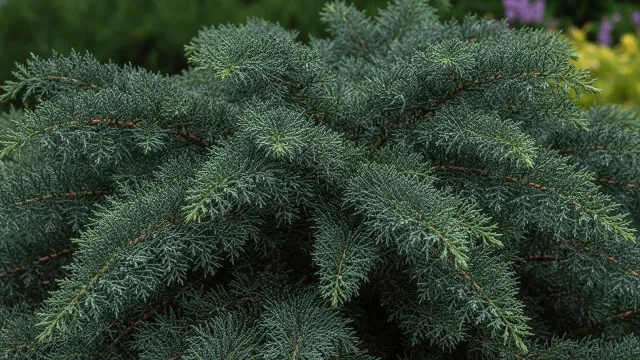
Soft, flexible bluish-green needles grow in bundles of five, 8 to 13 cm (3 to 5 in) long, giving this native evergreen its feathery look. per NC State
What pairs well with Eastern White Pine
Good companions share its growing conditions and add something it lacks: an earlier or later bloom, a lower carpet in front, or structure through winter.
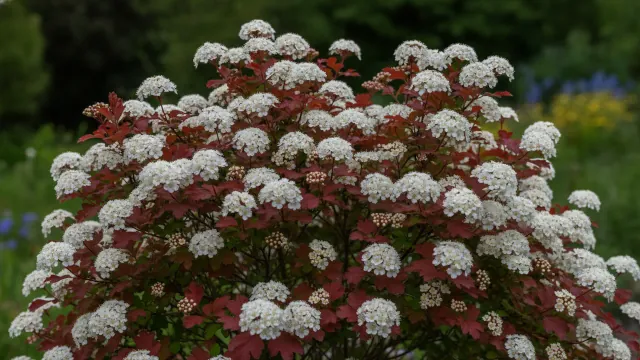
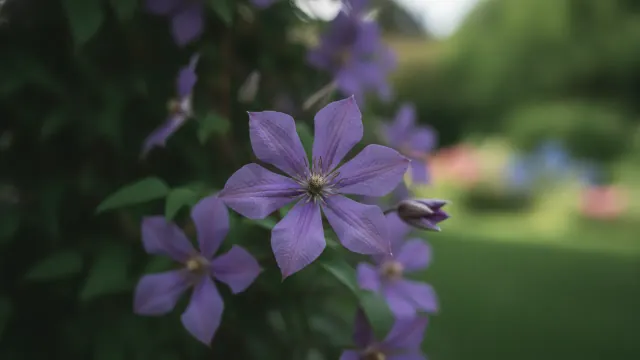
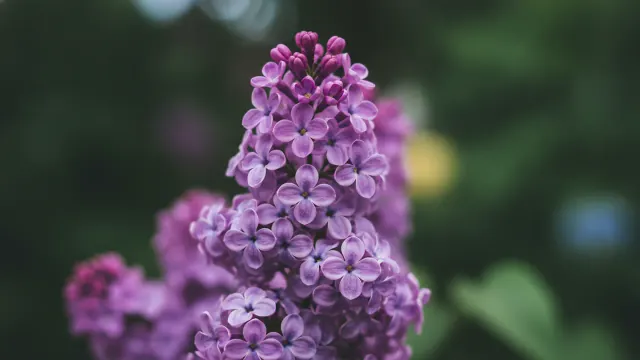
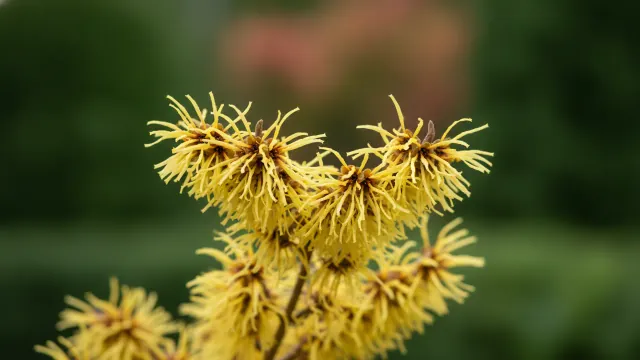
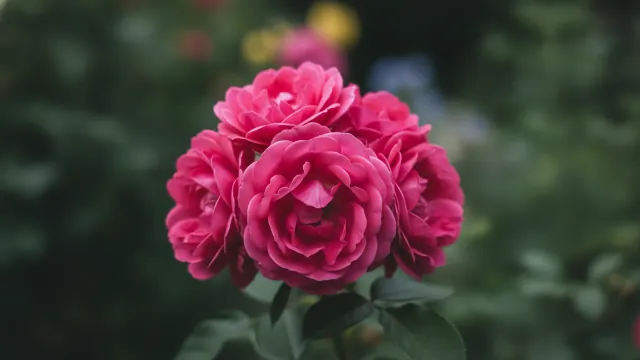
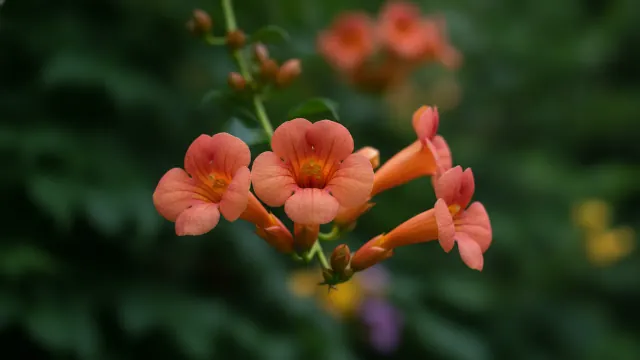
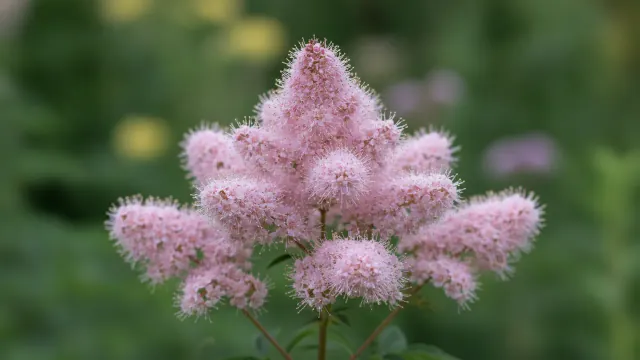
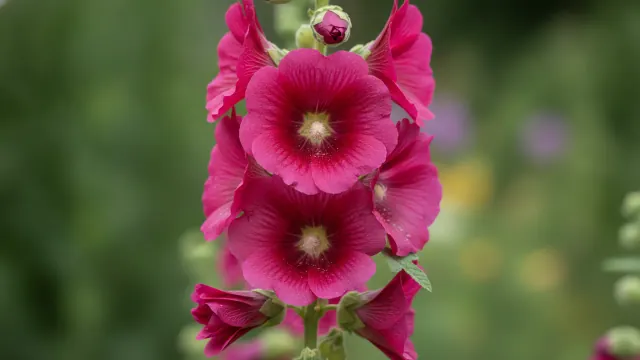
Try Eastern White Pine with its top companions in a garden →
Explore similar plants
You might also like
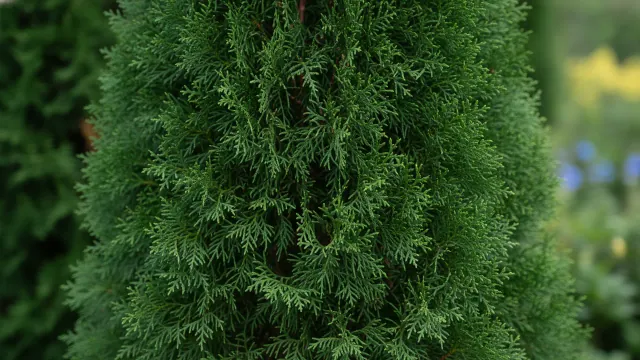 Foliage
 Foliage
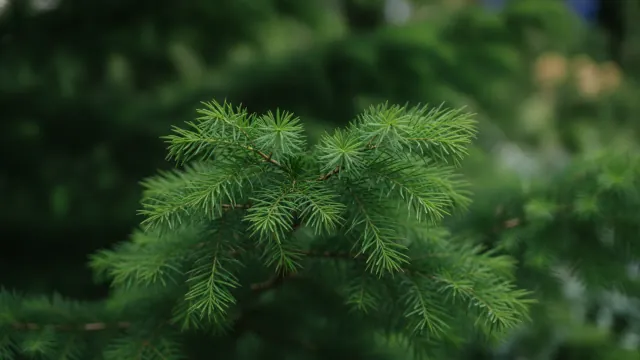 Foliage
 Foliage
 Foliage
 Foliage
Design a garden with this
Drop this plant onto a 3D plan, see how it fills in, and watch your whole garden bloom across the year.