
 Illustration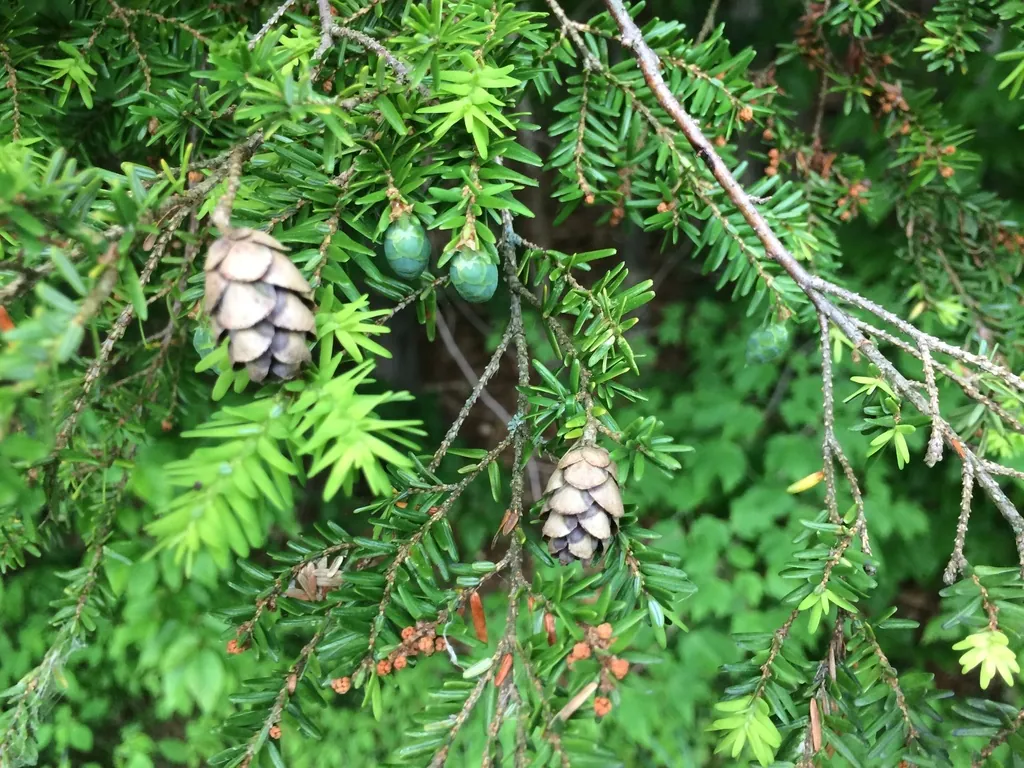
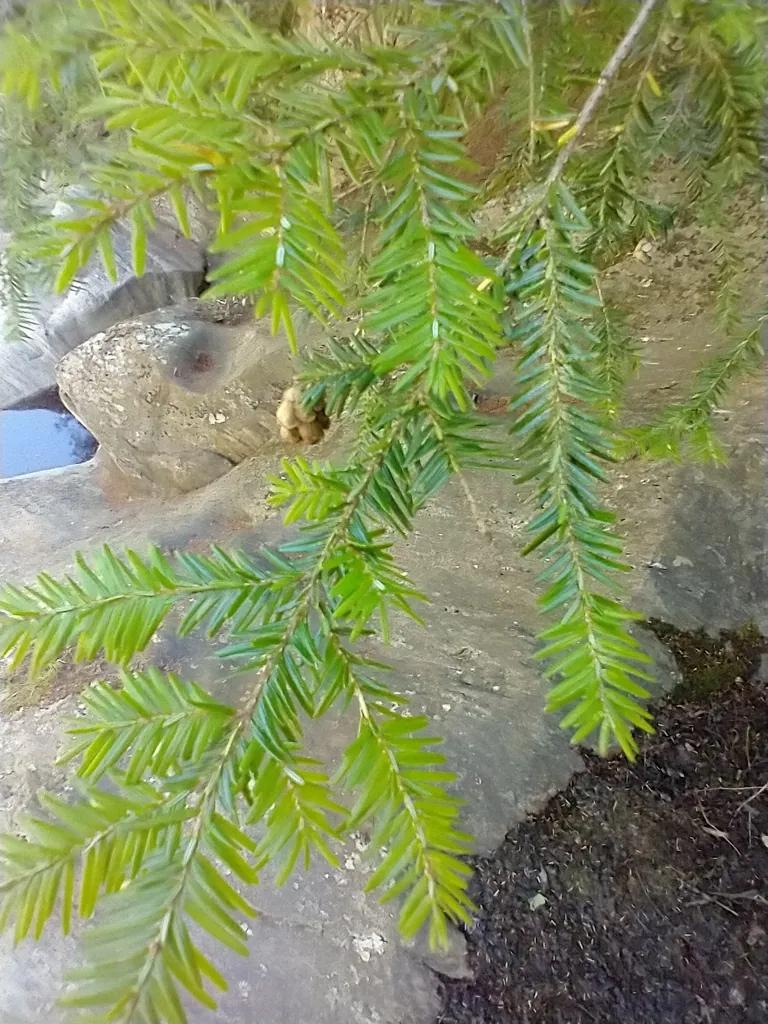

Photo credits and licenses
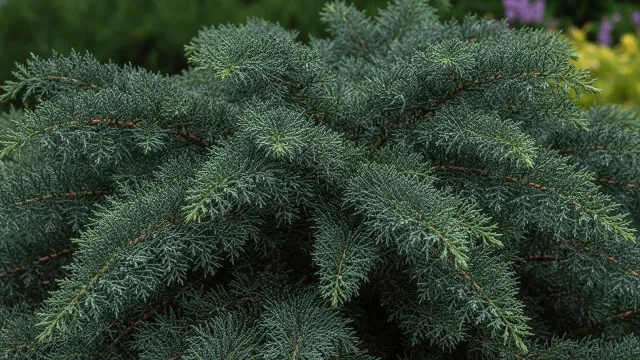
Real photographs from naturalists and photographers worldwide, each used under its own license. Credit: Photo by Ian Manning / iNaturalist (CC BY) and Photo by Tom Norton / iNaturalist (CC BY). How photos are sourced →

Eastern Hemlock
Tsuga canadensis
Eastern Hemlock is grown for its foliage rather than flowers, giving the garden structure and color all season long.
Months here are Northern Hemisphere months; in the Southern Hemisphere, shift them by six months.
Growing Eastern Hemlock
Plant it in part shade. It prefers moderate water. It is hardy in USDA zones 3–7. Expect it to reach about 49 ft tall and 26 ft wide at maturity, in roughly 20 years (not yet checked).
What was checked
Mature height and spread, hardiness zones, sun and the trait tags were checked against named botanical sources for this plant. The bloom months and water need on this page were not, and each fact above says which. The planting, spacing and size sections are derived from these checked facts by a fixed rule, not checked separately, and the plant type is the library's own classification.
When to plant Eastern Hemlock
Plant Eastern Hemlock in spring once the soil is workable, or by very early fall at the latest: an evergreen needs its roots down well before the ground freezes. In zone 5, the middle of its hardy zones 3 to 7, that is April to June, or August on the fall side.
Month-by-month timing for your zone is on the planting calendar; if you garden near zone 5, the middle of this plant's hardy range, start with zone 5 in April. Derived from the plant's category, zones and bloom months plus typical zone frost dates, not checked separately.
How big does Eastern Hemlock get?
 49 fttall5 ft 7 inan adult26 ftwide
See Eastern Hemlock in a garden plan: the planner shows it in 3D beside everything else you add, growing toward this size over the years.
How far apart to plant Eastern Hemlock
Derived from the mature spread above by a fixed rule, not checked separately: spacing is the spread, center to center.
Give Eastern Hemlock about 26 ft of clear ground in every direction, measured from its center. It is one plant with room around it, not a row, and a raised bed is too small for it.
Add Eastern Hemlock to a garden plan and the planner draws it at its full width, so you see the spacing before you buy.
Where these facts come from
Eastern Hemlock's height, spread, hardiness zones, sun and trait tags were checked against 5 published sources on July 29, 2026. Each one is linked below with every fact it carried, which can include a fact this page still marks as not yet checked, because a source carrying a value is not the same as the value being held to the standard. Facts not in that list, and the planting, spacing and size sections, are not covered by these sources.
- Missouri Botanical Gardenheight, spread, hardiness zones, sun and trait tags
- NC State ExtensionPlant Toolboxheight, spread, hardiness zones, sun and trait tags
- Purdue ArboretumPurdue Universityheight, spread, hardiness zones and sun
- Lady Bird Johnson Wildflower Centerheight, sun and trait tags
- Oregon State UniversityLandscape Plantsheight, hardiness zones and sun
How the checking works, and what each standard covers, is on the verified plants page.
3 more varieties in the Hemlock group
Same genus, similar care - pick the one you are growing.
Compare every variety in the Hemlock group
Every figure is the variety's own page fact. Tap a name to open it.
| Variety | Color | Blooms | Hardiness | Sun | Size (H × W) |
|---|---|---|---|---|---|
| Easternthis page | Foliage | Foliage plant | Zones 3–7 | Part shade | 49 ft × 26 ft |
| Gentsch White | Foliage | Foliage plant | Zones 3–7 | Part shade | 5 ft × 5 ft |
| Jeddeloh | Foliage | Foliage plant | Zones 3–7 | Part shade | 3.5 ft × 5 ft |
| Weeping | Foliage | Foliage plant | Zones 3–7 | Part shade | 10 ft × 13 ft |
Good to know about Eastern Hemlock
Curated from university extensions, botanic gardens and other primary sources, with the source named on every note. A note reports what its source says; where that differs from a fact above, the fact above is this entry's stored value, and its mark says whether it has been checked.
Worth knowing
One of the very few conifers that thrives in deep shade, surviving on as little as 5 percent of full sunlight where most evergreens fail. per USDA and Penn State
How much sun it needs
Guides differ on sun. In cool, moist climates it takes full sun; in hot, dry regions give it part to deep shade and shelter. per NC State and USDA
Not the deadly poison hemlock
This ornamental conifer is completely unrelated to the deadly weed poison hemlock (Conium maculatum), which shares only the name. The tree carries none of that risk. per University of Maryland and NC State
Watch for woolly adelgid
A tiny invasive insect that leaves white, cottony wool at the needle bases and can kill trees of any age. Check twig undersides; it has no native predators. per Penn State and MDPI
Shears into a shade hedge
One of the few evergreens that takes shearing well, so it makes a classic clipped hedge or screen. For small gardens, choose a dwarf or weeping cultivar. per NC State and Penn State
Healthy siting fights the pests
A tree kept cool, moist and sheltered resists adelgid and scale far better; drought and stress leave it weak and open to the insects killing the species. per USDA and Penn State
What pairs well with Eastern Hemlock
Good companions share its growing conditions and add something it lacks: an earlier or later bloom, a lower carpet in front, or structure through winter.
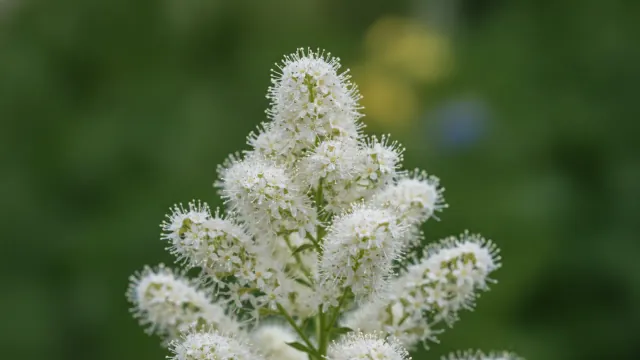
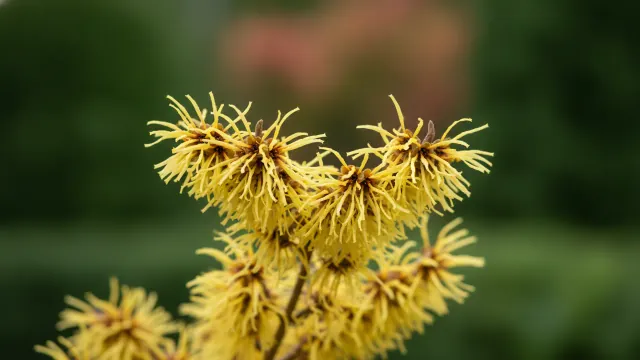
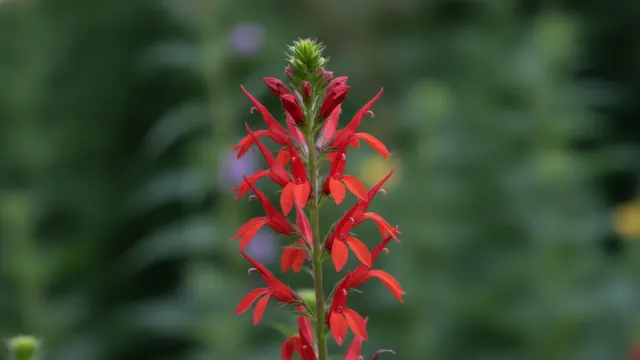
Cardinal Flower
Takes part sun to part shade and moderate to high water; both are North American natives.
Featured in these guides
Explore similar plants
You might also like
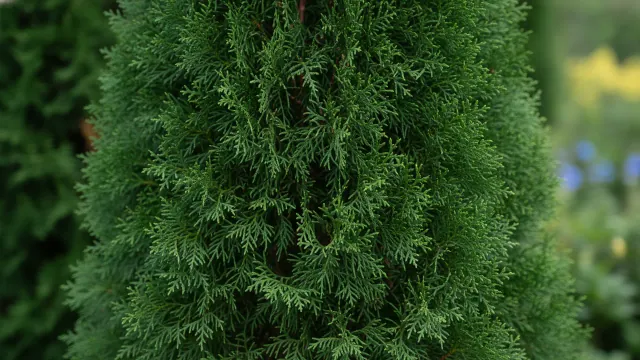 Foliage
 Foliage
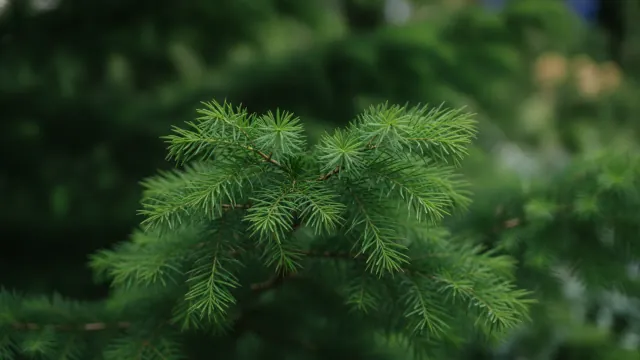 Foliage
 Foliage
 Foliage
 Foliage
Design a garden with this
Drop this plant onto a 3D plan, see how it fills in, and watch your whole garden bloom across the year.