
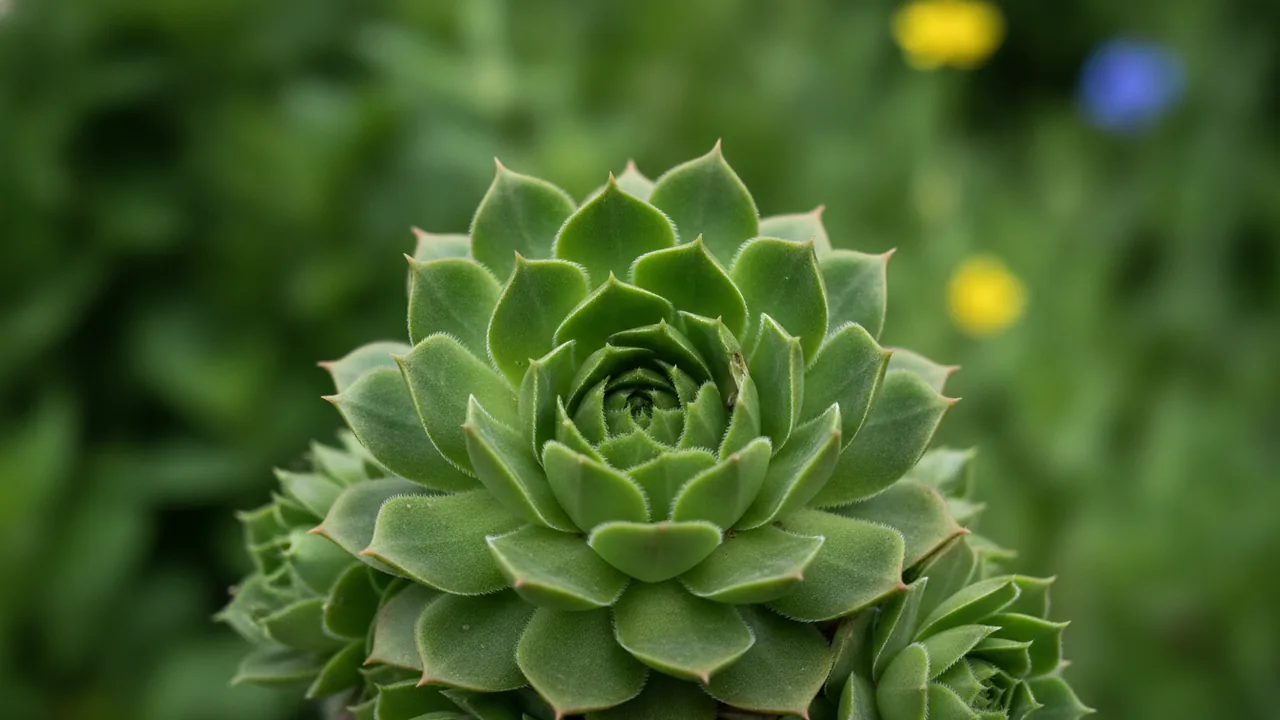
 Illustration

Hens and Chicks
Sempervivum
Hens and Chicks is grown for its foliage rather than flowers, giving the garden structure and color all season long.
Months here are Northern Hemisphere months; in the Southern Hemisphere, shift them by six months.
Growing Hens and Chicks
Plant it in full sun. It prefers low water. It is hardy in USDA zones 3–8. Expect it to reach about 4 in tall and 8 in wide at maturity, in roughly 3 years (not yet checked).
What this means
Written with AI assistance and not yet checked plant by plant against recorded sources, so treat every fact above as a starting point. Its scientific name was checked against botanical registries, an audit keeps its values consistent with the rest of the library, and a July 2026 review re-read the main facts of every plant then in the library against horticultural authorities without recording a source for each, which is why none of that counts as checked here. The source-by-source check is working through the whole library in the open, and a checked plant says so in this row.
When to plant Hens and Chicks
Plant Hens and Chicks in early spring as soon as the soil is workable, or in early fall at least six weeks before your first frost, so roots establish in cool weather. In zone 5, the middle of its hardy zones 3 to 8, spring means April to June and fall means August or September.
Month-by-month timing for your zone is on the planting calendar; if you garden near zone 5, the middle of this plant's hardy range, start with zone 5 in April. Derived from the plant's category, zones and bloom months plus typical zone frost dates, not checked separately.
How big does Hens and Chicks get?
 4 intall5 ft 7 inan adult8 inwide
See Hens and Chicks in a garden plan: the planner shows it in 3D beside everything else you add, growing toward this size over the years.
How far apart to plant Hens and Chicks
Derived from the mature spread above by a fixed rule, not checked separately: spacing is the spread, center to center.
Space Hens and Chicks about 8 in apart, center to center, so each plant has room to reach its full width.
Add Hens and Chicks to a garden plan and the planner draws it at its full width, so you see the spacing before you buy.
Good to know about Hens and Chicks
Curated from university extensions, botanic gardens and other primary sources, with the source named on every note. A note reports what its source says; where that differs from a fact above, the fact above is this entry's stored value, and its mark says whether it has been checked.
Safety
Non-toxic to pets per ASPCA, but the cell sap can mildly irritate sensitive skin (contact dermatitis) when you handle it. Wash your hands afterward. per ASPCA and NC State
Worth knowing
Each 'hen' rosette flowers just once, then dies. Do not panic: the ring of offset 'chicks' it made lives on, so the colony keeps going. per NC State
Zone range varies by source
Sources list 3 to 8, 4a to 8b, or 3 to 7. The real warm-end limit is heat and humidity above zone 8, not cold. Hardy to zone 3. per NC State and Chicago Botanic Garden
Rots in wet soil
Overwatering or poor drainage causes crown, root, leaf and stem rot, the main way gardeners kill it. Lean, gritty, sharply drained soil and sparing water are protective. per NC State and Missouri Botanical Garden
Cold hardy, unusual for succulents
Unusually cold hardy for a succulent: it holds its evergreen rosettes through winter and needs no protection to about zone 3, unlike tender succulents that frost kills. per NC State and Clemson
Deer and rabbit resistant
Two independent extension lists rate it browsed rarely: Wisconsin 'not favored', Iowa State 'seldom damaged'. Deer resistant, not deer-proof, and browsing pressure varies by region. per Wisconsin and Iowa State
Best uses
A classic pick for rock gardens, crevices, stone and dry walls, troughs, containers and green roofs. Its name tectorum means 'of roofs', its lean, sun-baked niche. per NC State
What pairs well with Hens and Chicks
Good companions share its growing conditions and add something it lacks: an earlier or later bloom, a lower carpet in front, or structure through winter.
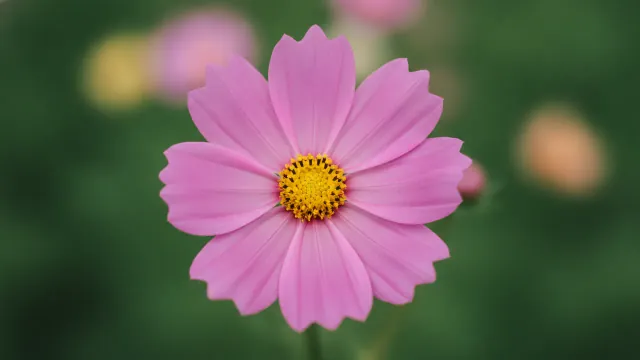
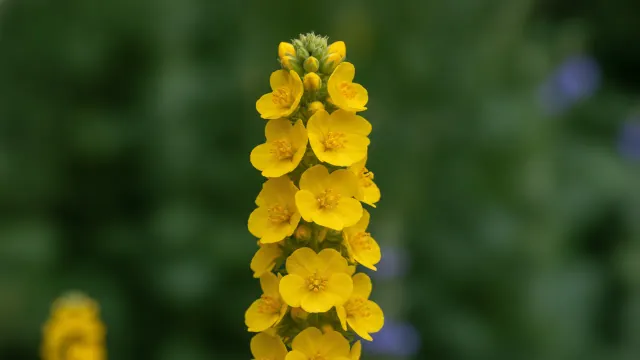
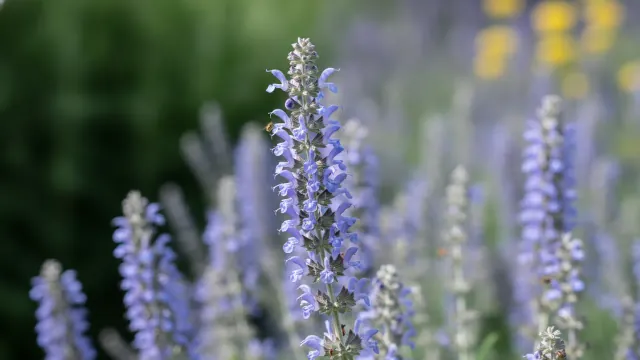
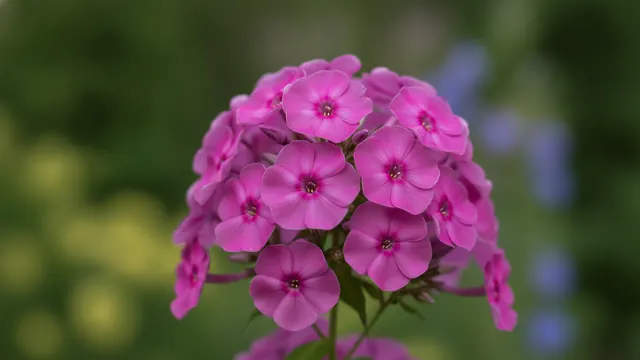
Garden Phlox
Shares full sun and low to moderate water; stands well above at 3.5 ft, a canopy to plant beneath.
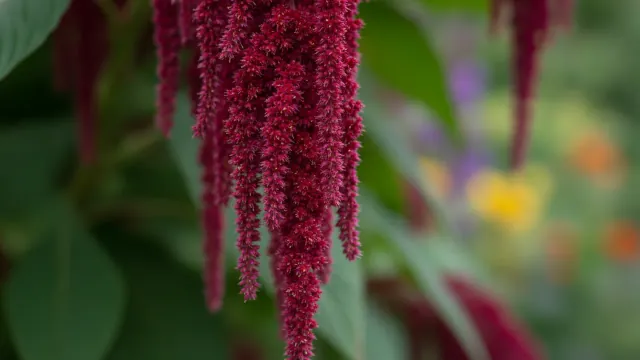
Love-Lies-Bleeding
Shares full sun and low to moderate water; stands well above at 3.5 ft, a canopy to plant beneath.
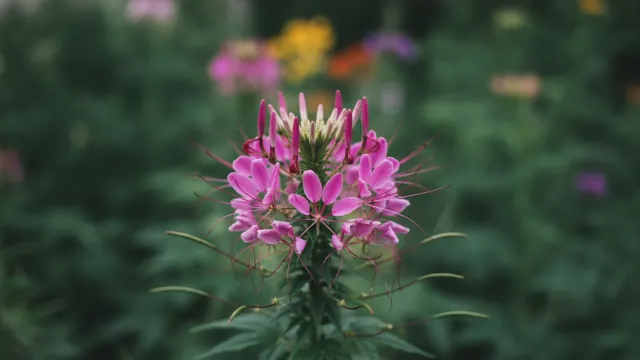
Cleome
Shares full sun and low to moderate water; stands well above at 4 ft, a canopy to plant beneath.

Hybrid Tea Rose
Shares full sun and low to moderate water; stands well above at 4 ft, a canopy to plant beneath.
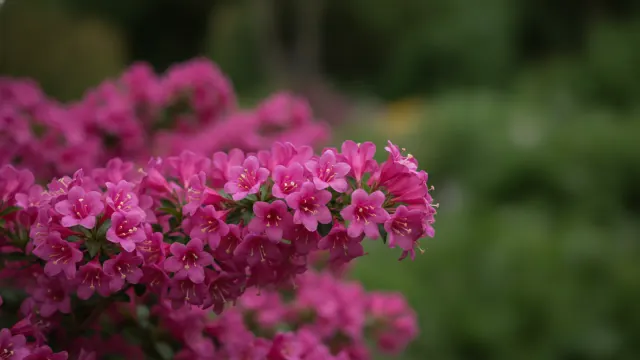
Weigela
Shares full sun and low to moderate water; stands well above at 5 ft, a canopy to plant beneath.
Explore similar plants
You might also like
 Foliage

Design a garden with this
Drop this plant onto a 3D plan, see how it fills in, and watch your whole garden bloom across the year.