
 Illustration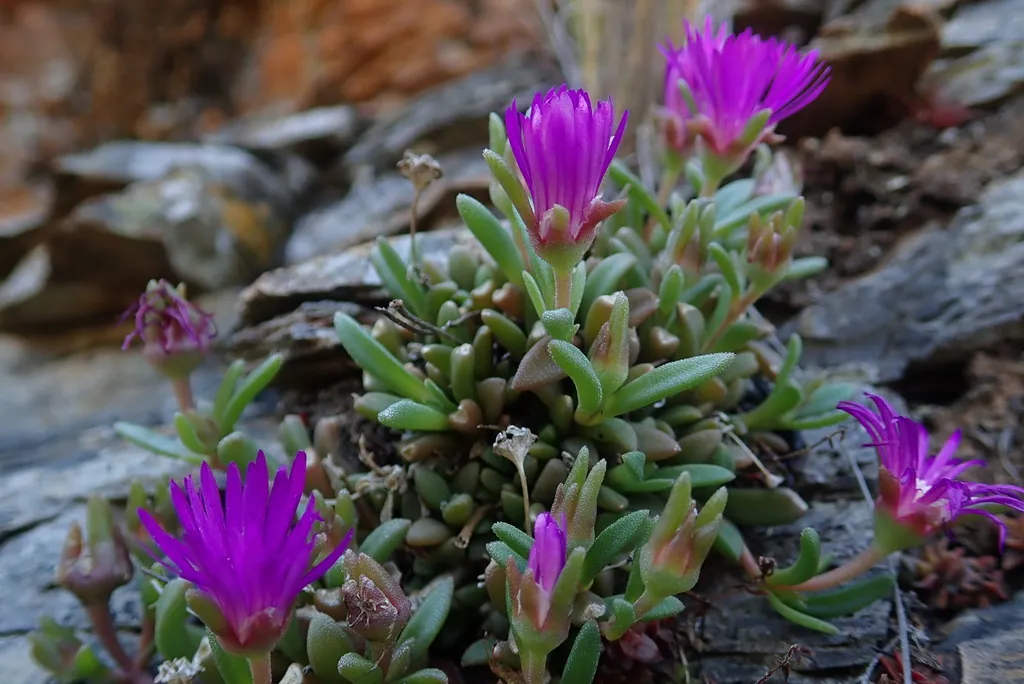
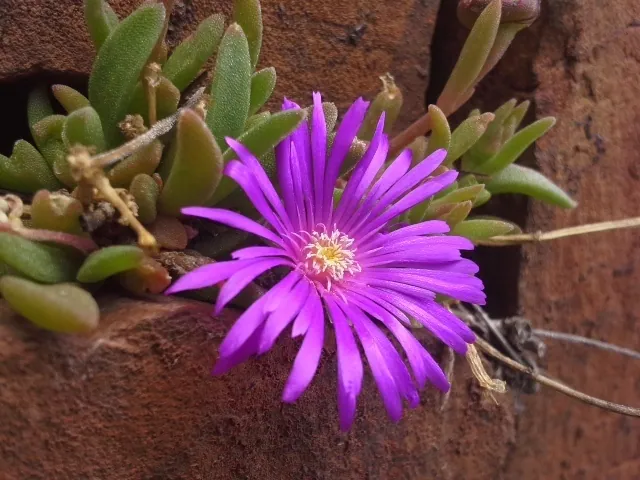

Photo credits and licenses
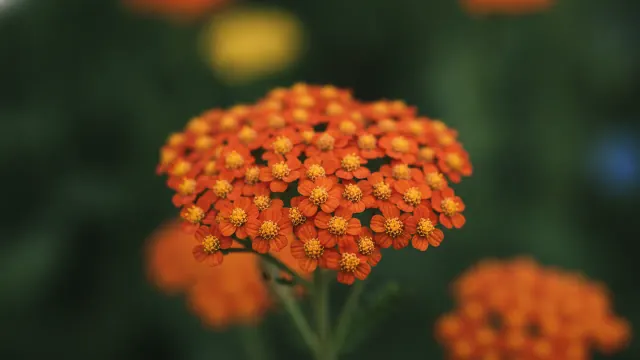
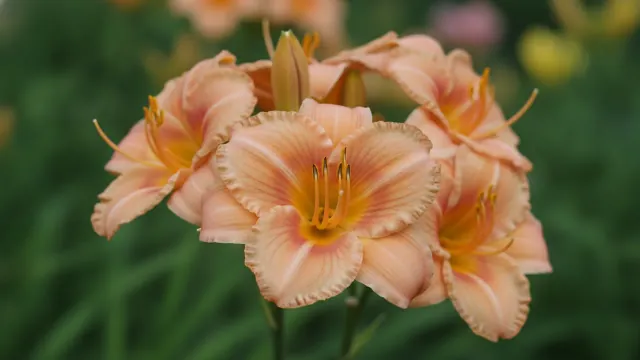
Real photographs from naturalists and photographers worldwide, each used under its own license. Credit: Photo by Jimmy Whatmore / iNaturalist (CC0) and Photo by Jimmy Whatmore / iNaturalist (CC0). How photos are sourced →

Ice Plant
Delosperma
Ice Plant blooms from June through September.
Months here are Northern Hemisphere months; in the Southern Hemisphere, shift them by six months.
Growing Ice Plant
Plant it in full sun. It prefers low water. It is hardy in USDA zones 5–9. Expect it to reach about 4 in tall and 16 in wide at maturity, in roughly 2 years (not yet checked).
No toxicity note is on file for Ice Plant. That is not a clearance: check its safety for people and pets before planting.
What was checked
Mature height and spread, hardiness zones, sun and the trait tags were checked against named botanical sources for this plant. The bloom months and water need on this page were not, and each fact above says which. The planting, spacing and size sections are derived from these checked facts by a fixed rule, not checked separately, and the plant type is the library's own classification.
When to plant Ice Plant
Plant Ice Plant in early spring as soon as the soil is workable, or in early fall at least six weeks before your first frost, so roots establish in cool weather. In zone 7, the middle of its hardy zones 5 to 9, spring means March to May and fall means September or October. Once settled, it blooms from June to September.
Month-by-month timing for your zone is on the planting calendar; if you garden near zone 7, the middle of this plant's hardy range, start with zone 7 in March. Derived from the plant's category, zones and bloom months plus typical zone frost dates, not checked separately.
How big does Ice Plant get?
 4 intall5 ft 7 inan adult16 inwide
See Ice Plant in a garden plan: the planner shows it in 3D beside everything else you add, growing toward this size over the years.
How far apart to plant Ice Plant
Derived from the mature spread above by a fixed rule, not checked separately: spacing is the spread, center to center.
Space Ice Plant about 16 in apart, center to center, so each plant has room to reach its full width.
Add Ice Plant to a garden plan and the planner draws it at its full width, so you see the spacing before you buy.
Where these facts come from
Ice Plant's height, spread, hardiness zones, sun and trait tags were checked against 18 published sources on July 31, 2026. Each one is linked below with every fact it carried, which can include a fact this page still marks as not yet checked, because a source carrying a value is not the same as the value being held to the standard. Facts not in that list, and the planting, spacing and size sections, are not covered by these sources.
- Missouri Botanical GardenDelosperma cooperi 'Jewel of Desert Peridot'height, spread, hardiness zones, sun, years to mature size and trait tags
- NC State ExtensionDelosperma, genus entryheight, spread, hardiness zones, sun, years to mature size and trait tags
- NC State ExtensionDelosperma cooperiheight, spread, hardiness zones, sun, years to mature size and trait tags
- NC State ExtensionDelosperma nubigenumheight, spread, hardiness zones, sun, years to mature size and trait tags
- depts.ttu.eduTexas Tech University Plant Database, Herbaceous Plant Finder (Hardy I...height, spread, hardiness zones, sun and trait tags
- Missouri Botanical GardenDelosperma cooperiheight, spread, hardiness zones, sun and trait tags
- Missouri Botanical GardenDelosperma cooperi 'WOWDAY2' WHEELS OF WONDER FIRE WONDERheight, spread, hardiness zones, sun and trait tags
- Missouri Botanical GardenDelosperma floribundum 'Starburst'height, spread, hardiness zones, sun and trait tags
- Missouri Botanical GardenDelosperma 'John Proffitt'height, spread, hardiness zones, sun and trait tags
- Missouri Botanical GardenDelosperma 'Kelaidis'height, spread, hardiness zones, sun and trait tags
- Missouri Botanical GardenDelosperma nubigenumheight, spread, hardiness zones, sun and trait tags
- Missouri Botanical GardenDelosperma 'Orange Crush'height, spread, hardiness zones, sun and trait tags
- Missouri Botanical GardenDelosperma rogersii 'Mini Wine'height, spread, hardiness zones, sun and trait tags
- mountaincrestgardens.comMountain Crest Gardens (Delosperma cooperi, Trailing Ice Plant)hardiness zones, sun, years to mature size and trait tags
- RHSRoyal Horticultural Society (Delosperma cooperi)height, spread, sun and trait tags
- pueblo.extension.colostate.eduColorado State University Extension, Pueblo County (Delosperma sp. - I...height, spread and trait tags
- University of Arkansas ExtensionIce Plantheight, sun and trait tags
- Portland NurseryDelosperma: Ice Plantsun and trait tags
How the checking works, and what each standard covers, is on the verified plants page.
Good to know about Ice Plant
Curated from university extensions, botanic gardens and other primary sources, with the source named on every note. A note reports what its source says; where that differs from a fact above, the fact above is this entry's stored value, and its mark says whether it has been checked.
Worth knowing
The fleshy leaves carry bladder-like water-storage hairs that reflect light and make the foliage sparkle as if frosted, which is where the name 'ice plant' comes from. per NC State
Zones vary by cultivar
Sources give different zone ranges, 5a to 8b or 6a to 10b, because hardiness varies by cultivar and by winter drainage. Choose a proven hardy selection for your zone. per NC State
Wet soil is the killer
The top cause of death is wet soil, above all wet winter soil, which rots the roots and crown. In fast-draining ground it rarely happens. per NC State
Do not fertilize it
Skip the fertilizer and rich soil. Extra nitrogen makes this succulent grow soft and lanky, bloom less, and lean toward rot. It thrives on poor, gritty ground. per NC State
Not the invasive ice plant
This hardy Delosperma is a small, well-behaved clumper. Do not confuse it with Carpobrotus edulis, the large trailing coastal 'ice plant' that Cal-IPC rates a high-impact invasive. per Cal-IPC and NC State
Tough in heat and drought
As a succulent it stores water in its leaves, so once established it shrugs off drought and heat and is even moderately salt tolerant. per NC State
What pairs well with Ice Plant
Good companions share its growing conditions and add something it lacks: an earlier or later bloom, a lower carpet in front, or structure through winter.
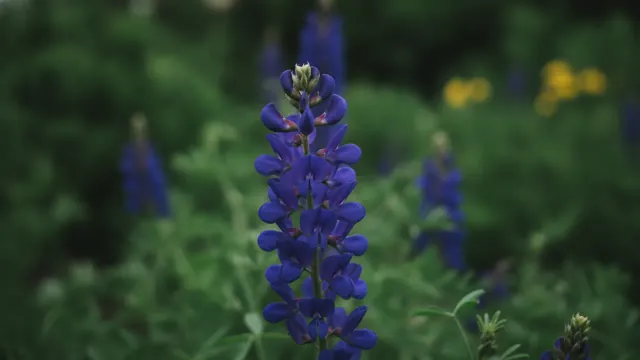
False Indigo
Shares full sun and low water; opens in late spring and overlaps into this one's season; stands well above at 3.5 ft, a canopy to plant beneath; its seed heads stand through winter, for structure and the birds.
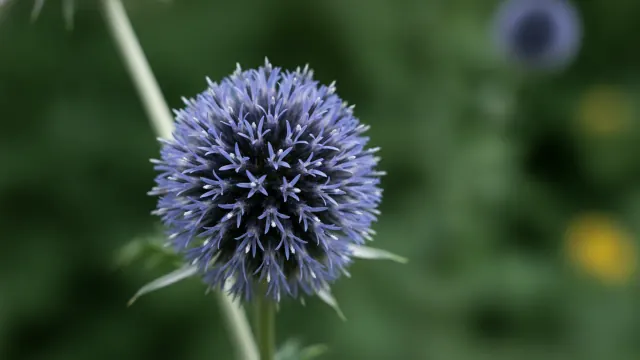
Globe Thistle
Shares full sun and low water; stands well above at 3.5 ft, a canopy to plant beneath; its seed heads stand through winter, for structure and the birds; both offer pollinator forage.

Perennial Sunflower
Shares full sun and low to moderate water; stands well above at 5 ft, a canopy to plant beneath; overlaps, then carries the display into mid fall; its seed heads stand through winter, for structure and the birds.
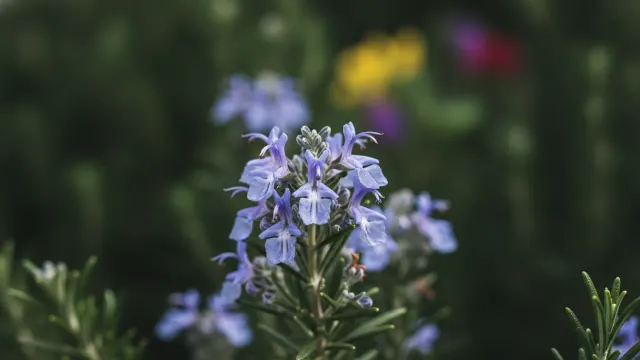
Rosemary
Shares full sun and low water; blooms in early spring, before this one opens; stands well above at 3.5 ft, a canopy to plant beneath; both offer pollinator forage, in different months; they only overlap in zones 8 to 9.
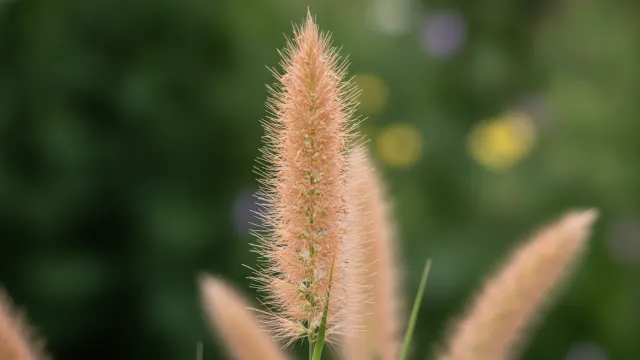
Switchgrass
Shares full sun and low water; stands well above at 5 ft, a canopy to plant beneath; overlaps, then carries the display into mid fall; its seed heads stand through winter, for structure and the birds.
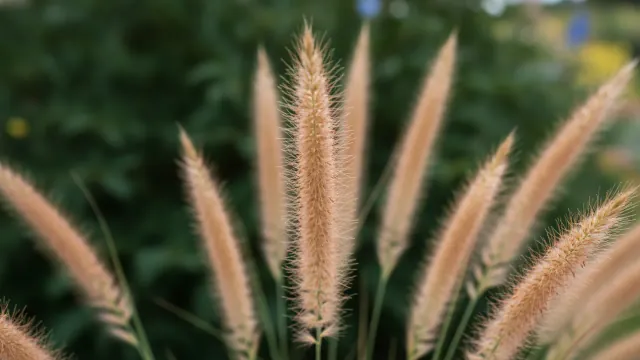
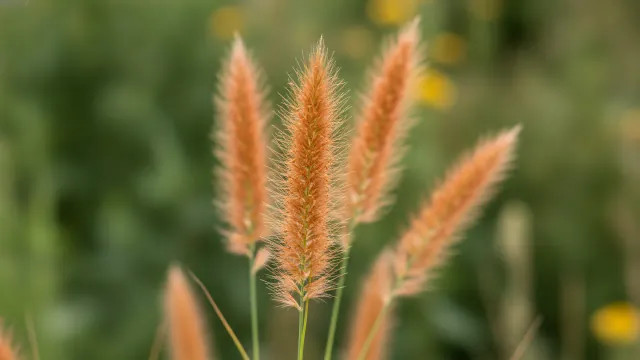
Fountain Grass
Shares full sun and low water; stands well above at 3.5 ft, a canopy to plant beneath; overlaps, then carries the display into mid fall; its seed heads stand through winter, for structure and the birds.
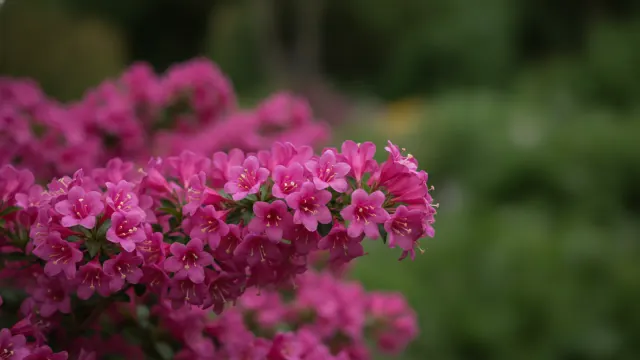
Weigela
Shares full sun and low to moderate water; opens in late spring and overlaps into this one's season; stands well above at 5 ft, a canopy to plant beneath; both offer pollinator forage.
Little Bluestem
Shares full sun and low water; stands well above at 3.5 ft, a canopy to plant beneath; its seed heads stand through winter, for structure and the birds.
Featured in these guides
Explore similar plants
You might also like

Design a garden with this
Drop this plant onto a 3D plan, see how it fills in, and watch your whole garden bloom across the year.