
Companion plants for Perennial Salvia
Perennial Salvia blooms from May through July. It wants full sun and low water. The 8 companion pairings below each state why the pairing works.
Taking over as Perennial Salvia finishes
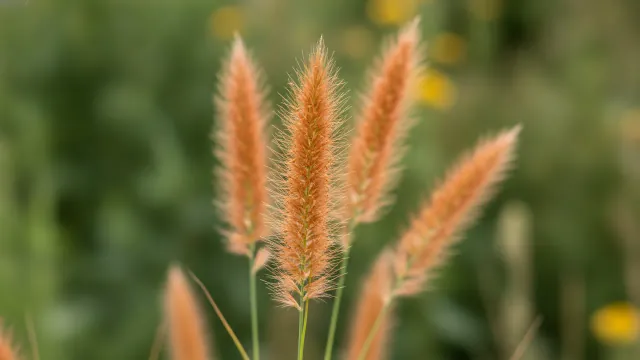
Little Bluestem
Shares full sun and low water; blooms in late summer as this one finishes; both are strong pollinator plants, and they feed in different months; its seed heads stand through winter, for structure and the birds.
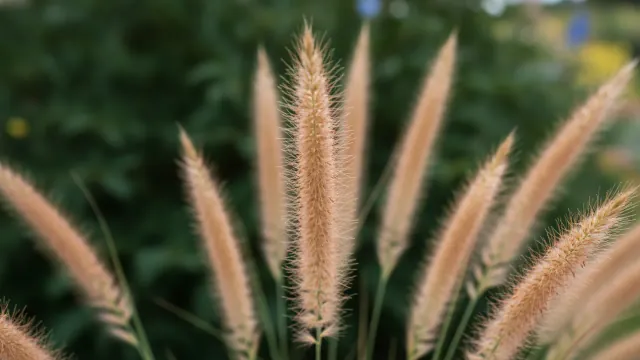
Fountain Grass
Shares full sun and low water; blooms in late summer as this one finishes; both are strong pollinator plants, and they feed in different months; its seed heads stand through winter, for structure and the birds.
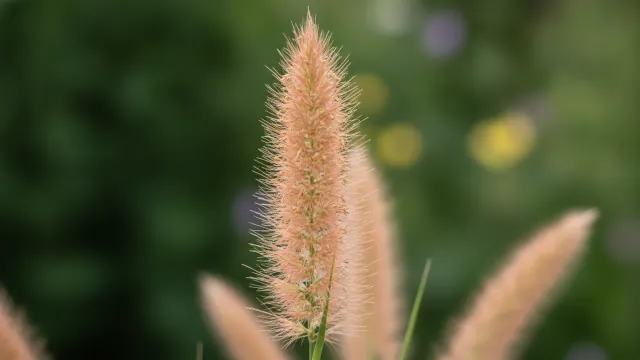
Switchgrass
Shares full sun and low water; blooms in late summer as this one finishes; both are strong pollinator plants, and they feed in different months; its seed heads stand through winter, for structure and the birds.
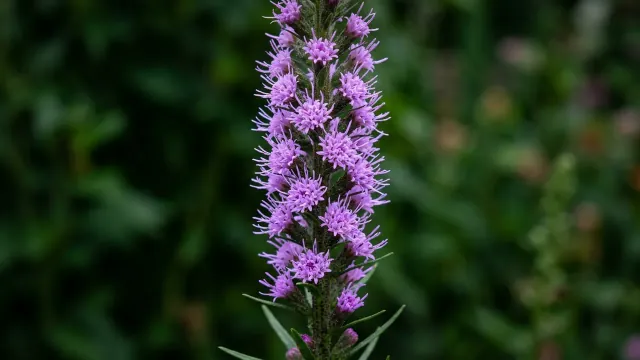
Dotted Blazing Star
Shares full sun and low water; blooms in late summer as this one finishes; both are strong pollinator plants, and they feed in different months; its seed heads stand through winter, for structure and the birds.
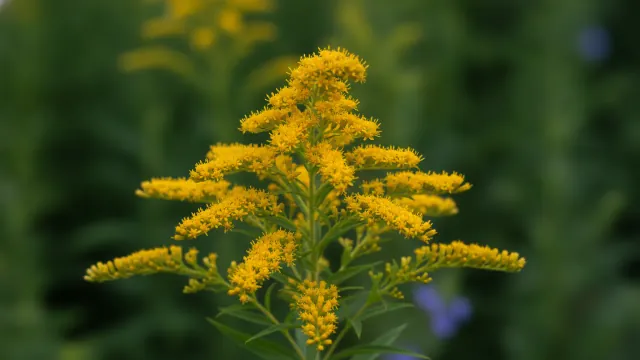
Goldenrod
Shares full sun and low water; blooms in late summer as this one finishes; both are strong pollinator plants, and they feed in different months; its seed heads stand through winter, for structure and the birds.
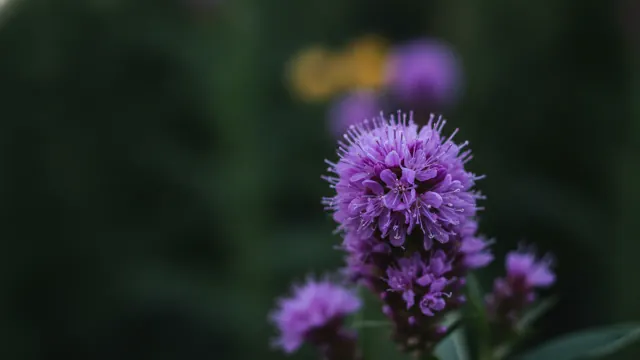
Ironweed
Shares full sun and low to moderate water; blooms in late summer as this one finishes; both are strong pollinator plants, and they feed in different months; its seed heads stand through winter, for structure and the birds.
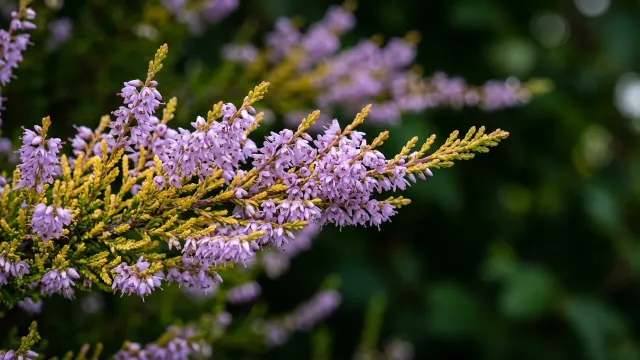
Blazeaway Heather
Shares full sun and low to moderate water; blooms in late summer as this one finishes; both are strong pollinator plants, and they feed in different months; evergreen, so the bed keeps its shape through winter.
Blooming alongside
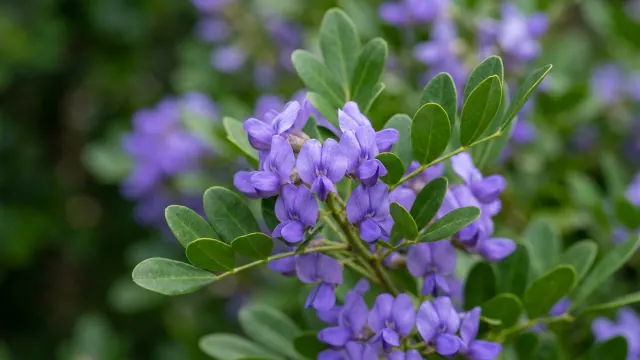
Texas Mountain Laurel
Shares full sun and low water; blooms in early spring, before this one opens; both are strong pollinator plants, and they feed in different months; evergreen, so the bed keeps its shape through winter; they only overlap in zones 7 to 8.