
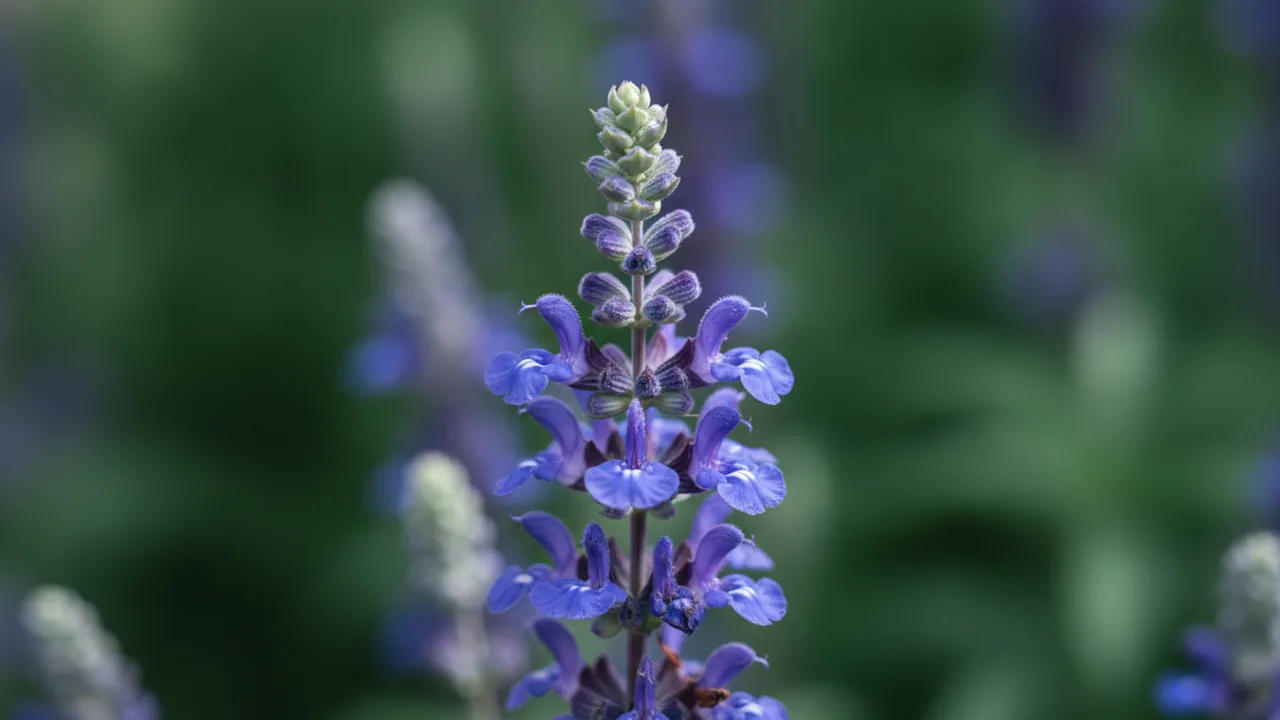
 Illustration

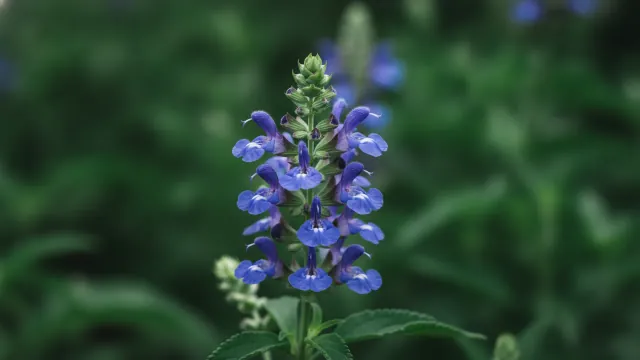
Perennial Salvia
Salvia nemorosa
Perennial Salvia blooms from May through July.
Months here are Northern Hemisphere months; in the Southern Hemisphere, shift them by six months.
Growing Perennial Salvia
Plant it in full sun. It prefers low water. It is hardy in USDA zones 4–8. Expect it to reach about 24 in tall and 20 in wide at maturity, in roughly 2 years (not yet checked).
No toxicity note is on file for Perennial Salvia. That is not a clearance: check its safety for people and pets before planting.
What was checked
Mature height and spread, hardiness zones, sun and the trait tags were checked against named botanical sources for this plant. The bloom months and water need on this page were not, and each fact above says which. The planting, spacing and size sections are derived from these checked facts by a fixed rule, not checked separately, and the plant type is the library's own classification.
When to plant Perennial Salvia
Plant Perennial Salvia in early spring as soon as the soil is workable, or in early fall at least six weeks before your first frost, so roots establish in cool weather. In zone 6, the middle of its hardy zones 4 to 8, spring means March to May and fall means August or September. Once settled, it blooms from May to July.
Month-by-month timing for your zone is on the planting calendar; if you garden near zone 6, the middle of this plant's hardy range, start with zone 6 in March. Derived from the plant's category, zones and bloom months plus typical zone frost dates, not checked separately.
How big does Perennial Salvia get?
 24 intall5 ft 7 inan adult20 inwide
See Perennial Salvia in a garden plan: the planner shows it in 3D beside everything else you add, growing toward this size over the years.
How far apart to plant Perennial Salvia
Derived from the mature spread above by a fixed rule, not checked separately: spacing is the spread, center to center.
Space Perennial Salvia about 20 in apart, center to center, so each plant has room to reach its full width.
Add Perennial Salvia to a garden plan and the planner draws it at its full width, so you see the spacing before you buy.
Where these facts come from
Perennial Salvia's height, spread, hardiness zones, sun and trait tags were checked against 9 published sources on July 30, 2026. Each one is linked below with every fact it carried, which can include a fact this page still marks as not yet checked, because a source carrying a value is not the same as the value being held to the standard. Facts not in that list, and the planting, spacing and size sections, are not covered by these sources.
- Walters GardensSalvia nemorosa 'May Night'height, spread, hardiness zones, sun, years to mature size and trait tags
- Missouri Botanical GardenSalvia nemorosaheight, spread, hardiness zones, sun and trait tags
- NC State ExtensionSalvia nemorosaheight, spread, hardiness zones, sun and trait tags
- North Creek NurseriesSalvia nemorosa 'Caradonna'height, spread, hardiness zones, sun and trait tags
- Proven WinnersSalvia nemorosa 'Blue by You'height, spread, hardiness zones, sun and trait tags
- RHSSalvia nemorosa, Balkan claryheight, spread, sun and trait tags
- University of Illinois ExtensionPerennial Salvia, Salvia nemorosaheight, hardiness zones, sun and trait tags
- University of Illinois ExtensionIllinois Extension Flowers (Perennial Salvia, Salvia nemorosa)height, hardiness zones, sun and trait tags
- Clemson Home and Garden Information CenterWoodland Sage sectionheight, sun and trait tags
How the checking works, and what each standard covers, is on the verified plants page.
11 more colors in the Salvia group
Same genus, similar care - pick the one you are growing.
- April Night
- Blue Hill
- Blue Marvel
- Caradonna
- East Friesland
- May Night
- Pink Profusion
- Rose Marvel
- Sensation Rose
- Snow Hill
- Violet Riot
Compare every variety in the Salvia group
Every figure is the variety's own page fact. Tap a name to open it.
| Variety | Color | Blooms | Hardiness | Sun | Size (H × W) |
|---|---|---|---|---|---|
| April Night | Purple | Apr–Aug | Zones 4–8 | Full sun | 16 in × 16 in |
| Blue Hill | Blue | May–Aug | Zones 4–8 | Full sun | 18 in × 16 in |
| Blue Marvel | Blue | May–Sep | Zones 4–8 | Full sun | 16 in × 16 in |
| Caradonna | Purple | May–Sep | Zones 4–8 | Full sun | 24 in × 16 in |
| East Friesland | Purple | May–Aug | Zones 4–8 | Full sun | 20 in × 16 in |
| May Night | Purple | May–Sep | Zones 4–8 | Full sun | 24 in × 20 in |
| Perennialthis page | Purple | May–Jul | Zones 4–8 | Full sun | 24 in × 20 in |
| Pink Profusion | Pink | May–Sep | Zones 4–8 | Full sun | 20 in × 16 in |
| Rose Marvel | Pink | May–Sep | Zones 4–8 | Full sun | 16 in × 16 in |
| Sensation Rose | Pink | May–Sep | Zones 4–8 | Full sun | 14 in × 16 in |
| Snow Hill | White | May–Aug | Zones 4–8 | Full sun | 18 in × 16 in |
| Violet Riot | Purple | May–Sep | Zones 4–8 | Full sun | 24 in × 16 in |
Good to know about Perennial Salvia
Curated from university extensions, botanic gardens and other primary sources, with the source named on every note. A note reports what its source says; where that differs from a fact above, the fact above is this entry's stored value, and its mark says whether it has been checked.
Worth knowing
The same aromatic mint-family oils that make deer and rabbits leave it alone sit below nectar-rich spikes that draw bees, butterflies and hummingbirds. per NC State and Clemson
Hardiness varies by source
Most sources give zones 4 to 8; Illinois Extension lists it hardier at 3 to 8. Match a proven cultivar to your zone and confirm cold-hardiness locally. per NC State and Illinois
Water lightly to rebloom
Every source calls it drought tolerant once established. But Missouri Botanical Garden and NC State note that occasional summer water plus deadheading brings a fuller second flush. per Missouri Botanical Garden and NC State
The one essential cut
When the first flush fades and stems brown, shear the whole plant to the basal leaves. One cut removes floppy spikes, refreshes foliage, and triggers rebloom. per NC State and Missouri Botanical Garden
Sharp drainage is everything
Lean, sharply drained soil delivers the drought toughness, keeps growth firm so it will not flop, and denies the wet, humid conditions behind rot and mildew. per NC State and Missouri Botanical Garden
A documented bee magnet
A peer-reviewed trial found honey bees made up about 36 percent of salvia flower visitors and carpenter bees about 24 percent, with bees feeding heavily all season. per Frontiers
A naming tangle
The same meadow sage is sold as Salvia nemorosa and Salvia x sylvestris; sources disagree on the correct name, but care, size and bloom are identical. per NC State and Clemson
What pairs well with Perennial Salvia
Good companions share its growing conditions and add something it lacks: an earlier or later bloom, a lower carpet in front, or structure through winter.
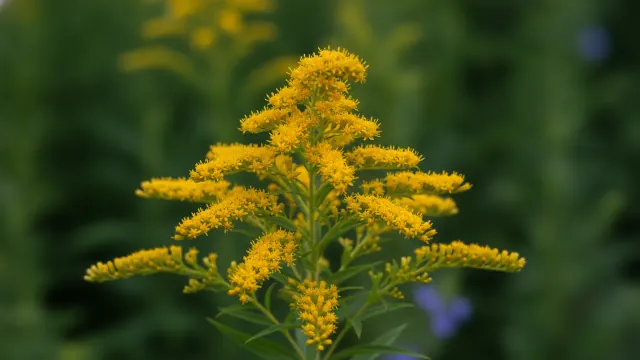
Goldenrod
Shares full sun and low water; blooms in late summer as this one finishes; both are strong pollinator plants, and they feed in different months; its seed heads stand through winter, for structure and the birds.
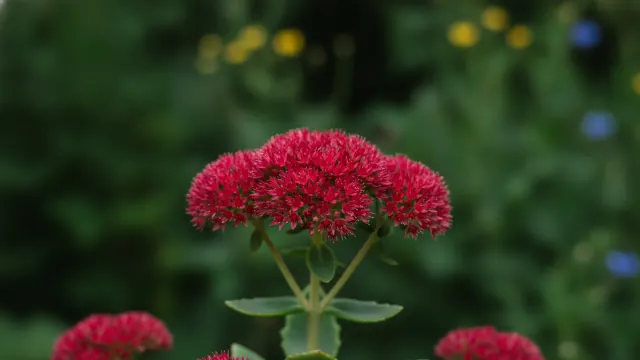
Autumn Joy Sedum
Shares full sun and low water; blooms in late summer as this one finishes; both are strong pollinator plants, and they feed in different months; its seed heads stand through winter, for structure and the birds.
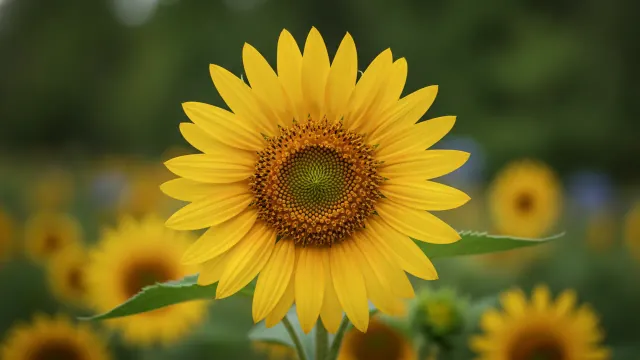
Perennial Sunflower
Shares full sun and low to moderate water; blooms in late summer as this one finishes; both are strong pollinator plants, and they feed in different months; its seed heads stand through winter, for structure and the birds.
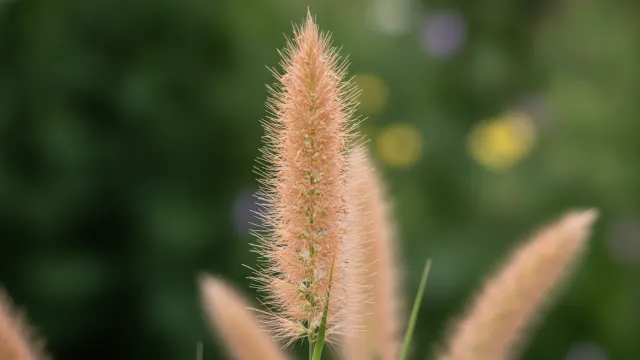
Switchgrass
Shares full sun and low water; blooms in late summer as this one finishes; both are strong pollinator plants, and they feed in different months; its seed heads stand through winter, for structure and the birds.
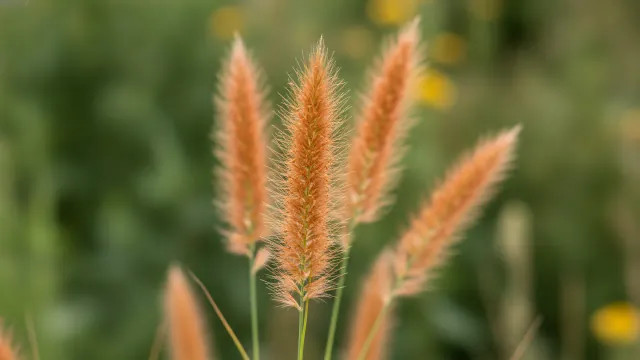
Little Bluestem
Shares full sun and low water; blooms in late summer as this one finishes; its seed heads stand through winter, for structure and the birds; taller at 3.5 ft, for the layer behind it.
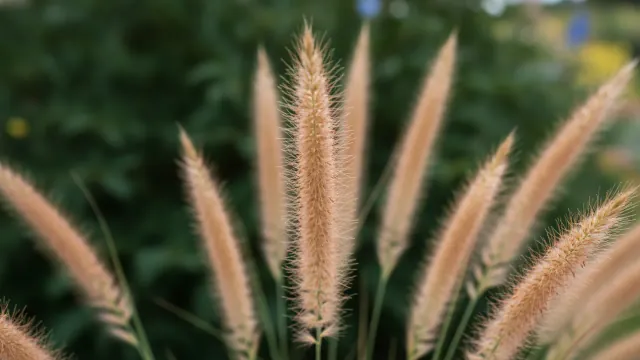
Fountain Grass
Shares full sun and low water; blooms in late summer as this one finishes; its seed heads stand through winter, for structure and the birds; taller at 3.5 ft, for the layer behind it.
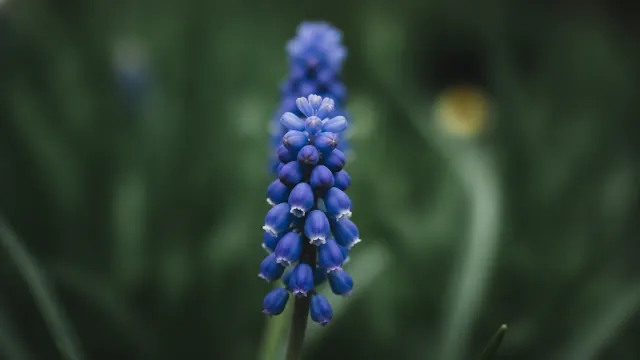
Grape Hyacinth
Shares full sun and low water; blooms in early spring, before this one opens; both offer pollinator forage, in different months; lower at 8 in, for the front of the border.
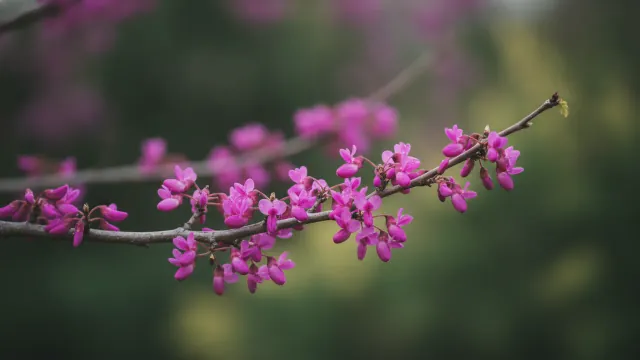
Eastern Redbud
Takes full sun to part sun and low to moderate water; blooms in mid spring, before this one opens; both are strong pollinator plants, and they feed in different months.
Featured in these guides
Explore similar plants
You might also like
Design a garden with this
Drop this plant onto a 3D plan, see how it fills in, and watch your whole garden bloom across the year.