
Practical
Hydrangea Types Compared: Which One Fits Your Garden
Five different shrubs share one name. One table, one straight answer, and the pruning rule that decides whether yours blooms.
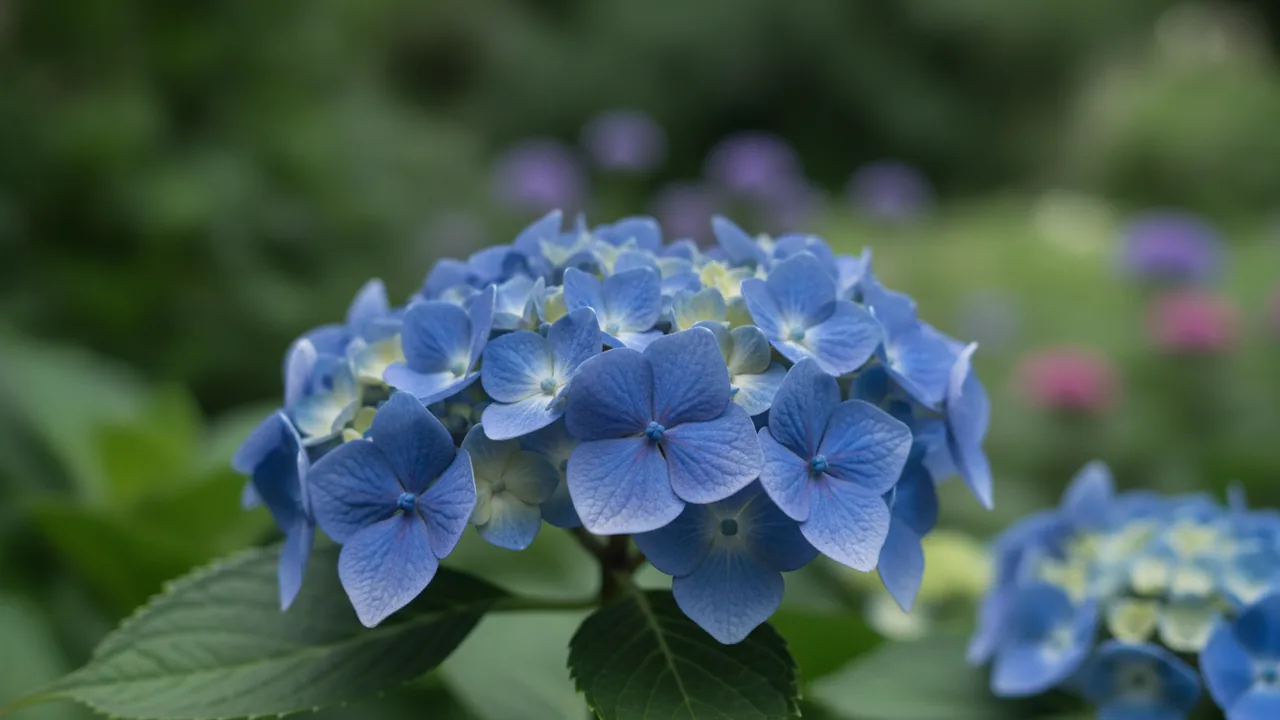
Few plants cause more garden-center confusion than hydrangeas, because one name covers five genuinely different plants, and one of them is a climber. They want different light, survive different winters, and, most importantly, they are pruned on opposite rules, which is why the same spring haircut that keeps one type flowering strips every bud off another. Sort out which type you have and hydrangeas become easy.
Which hydrangea should I plant?
For most gardens, the panicle hydrangea. It is the only one of the five that thrives in full sun, it is hardy from zone 3, and it blooms on new wood, so a pruning mistake costs you nothing: cut it back in early spring and it still flowers that same summer. Choose bigleaf for blue or pink mopheads in a milder garden, smooth for cold zones and lighter shade, oakleaf for the foliage, and climbing for a shaded wall.
| Type | Sun | Zones | Size | Blooms | Pruning |
|---|---|---|---|---|---|
| Bigleaf | Part sun | 5 to 9 | 5 ft | June to September | Old wood: prune right after flowering, if at all |
| Panicle | Full sun | 3 to 8 | 6.5 ft | July to September | New wood: cut back in early spring |
| Smooth | Part shade | 3 to 9 | 4 ft | June to September | New wood: cut back in early spring |
| Oakleaf | Part sun | 5 to 9 | 6 ft | May to July | Old wood: prune right after flowering |
| Climbing | Part shade | 4 to 8 | 38 ft, a climber | June to July | Almost none: old wood, so trim after bloom |
Which one is for you
The table settles the facts; here is the fit, most forgiving first.
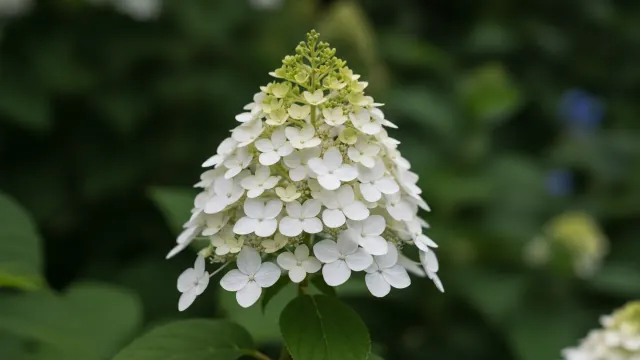
Hydrangea paniculata
The one for most people, and the only hydrangea for full sun. White cones from July to September on a tough shrub hardy from zone 3, and because it blooms on new wood, a badly timed cut only costs size, never the whole season.
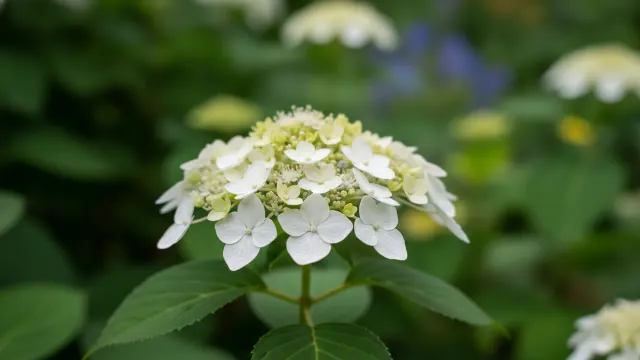
Hydrangea arborescens
The cold-climate workhorse, hardy from zone 3, with the classic Annabelle look for light shade. Big rounded white heads from June to September on new wood, so it can be cut back hard every spring and never miss a year.
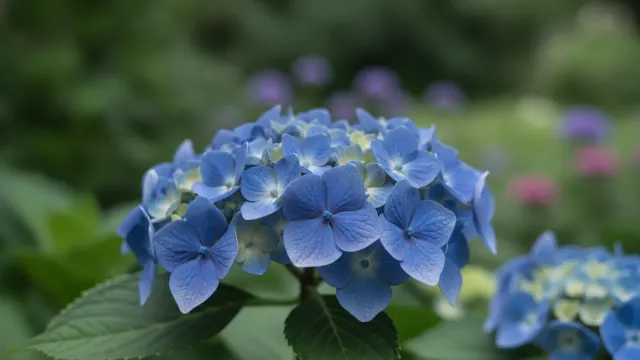
Hydrangea macrophylla
The blue one, or the pink one, depending on your soil. Mopheads from June to September in part sun, zones 5 to 9. It blooms on old wood and wants the most water of the five, so it is the choice for milder gardens that can indulge it.
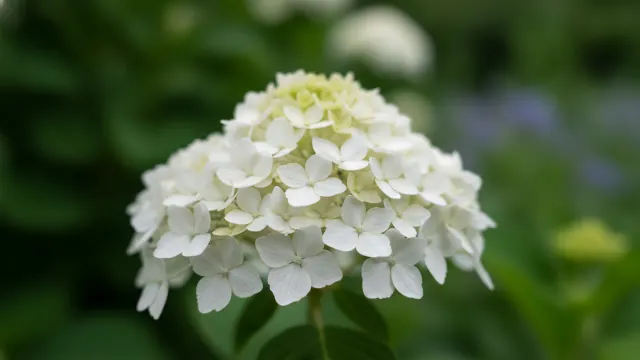
Hydrangea quercifolia
The four-season pick: white cones from May to July, then bold oak-shaped leaves that turn deep wine-red in fall. Part sun, zones 5 to 9, and on old wood, so prune right after the flowers fade or not at all.
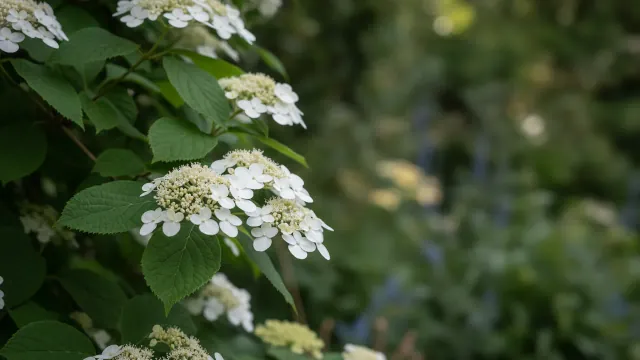
Hydrangea petiolaris
The answer for a shaded wall: a self-clinging climber to 38 feet, laced with white flowers in June and July. Famously slow for its first few years while the roots build, then vigorous for decades, and it needs almost no pruning.
Why is my hydrangea not blooming?
Nine times out of ten the answer is the old-wood rule. Bigleaf and oakleaf hydrangeas set next summer's flower buds soon after they finish blooming, so a tidy-up in fall, winter, or spring cuts those buds off, and the shrub spends the year leafy and flowerless. The fix is timing, not feeding: prune old-wood types right after flowering, or leave them alone entirely.
The other culprit is winter. A bigleaf hydrangea's flower buds are less cold-hardy than the shrub itself, so a hard winter or a late freeze can kill the buds while the plant leafs out happily below them, which is why gardeners at the cold end of its range see healthy leaves and no mopheads. Reblooming bigleaf cultivars, which flower on old and new wood and are pruned in spring, are the practical workaround there, and so is switching to a panicle or smooth type that cold cannot touch.
Blue or pink?
Only the bigleaf hydrangea changes color, and the dial is really aluminum: acidic soil lets the roots take it up and the mopheads turn blue, while in neutral to alkaline soil the aluminum stays locked away and the flowers stay pink. White hydrangeas, panicle and smooth among them, stay white whatever the soil does.
Which hydrangea is the easiest to grow?
Panicle and smooth hydrangeas. Both are hardy from zone 3 and bloom on new wood, so they flower reliably every year no matter how or when they were pruned. Panicle takes the most sun; smooth is the better fit for lighter shade.
Why does my hydrangea have leaves but no flowers?
Almost always pruning at the wrong time or winter-killed buds. Bigleaf and oakleaf types bloom on old wood, so any cut after late summer removes next year's flowers, and hard winters can kill bigleaf buds outright. Prune old-wood types right after flowering, or grow a new-wood type instead.
How do I make my hydrangea blue?
Only bigleaf hydrangeas can do it. In acidic soil the roots take up aluminum and the flowers turn blue; in neutral to alkaline soil they stay pink. Acidifying the soil around an established shrub is slow, so where soil is strongly alkaline, a large pot of acidic potting mix is the reliable route.
When should I prune my hydrangea?
By type, not by habit. New-wood bloomers, panicle and smooth, are cut back in early spring. Old-wood bloomers, bigleaf, oakleaf, and climbing, are pruned right after they finish flowering, if they need it at all.
Design a garden with these plants
Open BloomsEye Studio with this guide's plants ready to drop onto a plan, then watch the whole bed bloom across the year. New to it? See what the free garden planner does.