
Practical
Long-Blooming Shrubs: The Ones That Flower for Months, Measured
We measured the bloom run of every shrub in the library. The winners are not the ones the folklore names, and the gap is months.
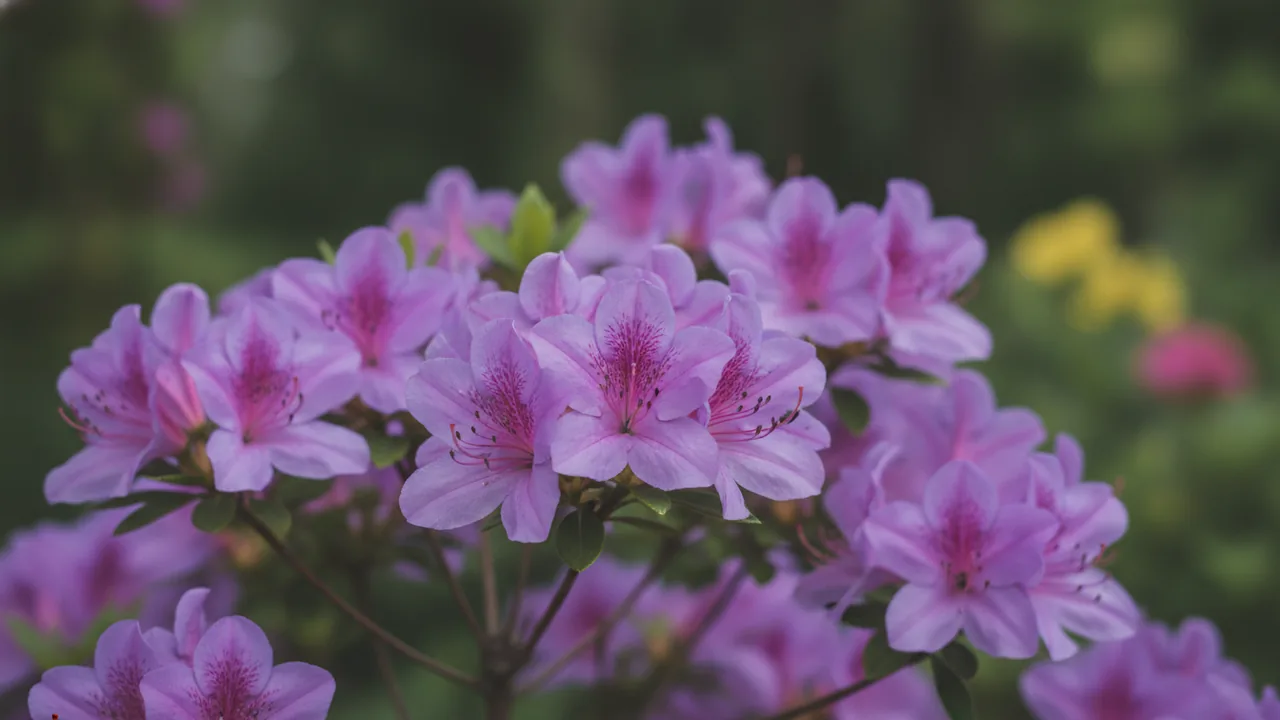
A shrub is the biggest bloom decision most front yards make: one plant, one spot, and most of the classics repay it with two or three glorious weeks. It does not have to be that way, and this guide is the measured version of that promise. We took the 228 shrubs in our library, set the community-submitted handful aside as our rankings always do, measured each remaining record's longest unbroken run of bloom months, and organized the winners by how they earn the number, because there are two honest ways: the rebloomers, bred to flower in repeating waves, and the marathoners, which run one long flush. Roses would sweep the medals if we let them in, and they are filed as their own category; they get their own section at the end.
Which shrubs bloom the longest?
By our records, the rebloomers: the Encore azalea 'Autumn Amethyst' spans April to October, seven months, the Bloomerang lilac runs April to September, and the Sonic Bloom weigelas hold May to September, all in repeating waves rather than one unbroken wall of flower. Among single-flush shrubs, butterfly bush, potentilla, and the bigleaf and smooth hydrangeas all run June to September, and panicle hydrangea, rose of sharon, and crape myrtle own the late shift from July.
The rebloomers: bred to refuse to stop
The top of the measured table belongs to a modern invention: shrubs bred to bloom, rest, and bloom again from spring to fall. An honesty note before the picks, because the records are spans: a seven-month window means waves across seven months, heaviest at the ends, not two hundred unbroken days of peak. That is still a different sport from the two-week classics.
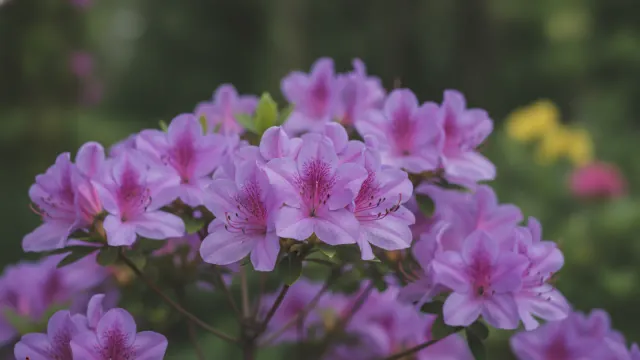
Rhododendron 'Encore Autumn Amethyst'
The longest bloom run of any shrub in the library: April to October, zones 6 to 9, at 4 feet in part shade. It flowers with the ordinary azaleas in spring, rests, then runs waves through summer into a big fall finish, which is the whole Encore idea, and why the 'Autumn' in the name is literal.
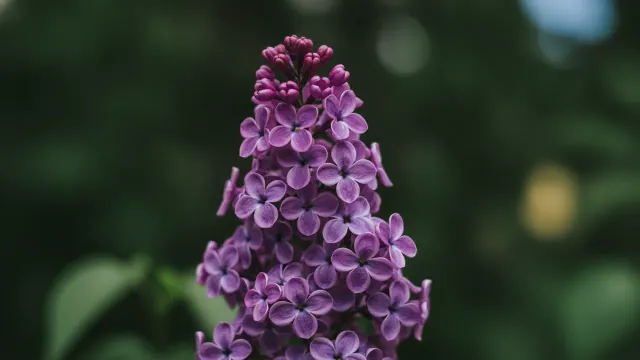
Syringa 'Bloomerang Purple'
A lilac that comes back for more: the classic April-May perfume, a pause, then repeat waves into September. April to September, zones 3 to 7, at a compact 5 feet, and the cold-hardiness is the quiet headline: this is the six-month shrub for zone 3 gardens.
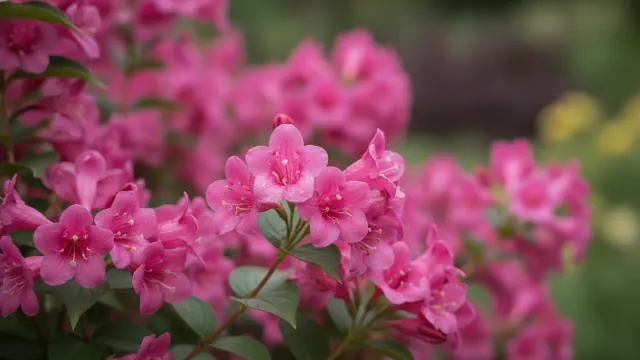
Weigela 'Sonic Bloom Pink'
May to September, zones 4 to 8, at 5 feet: the reblooming weigela, throwing trumpet flowers in waves the hummingbirds patrol all summer. Its sibling 'Sonic Bloom Red' carries the same record in a deeper shade; the ordinary weigelas stop in June.
The marathon classics: one long honest flush
No tricks here: these bloom continuously through the heart of the season, June to September on every record, and they are the backbone answer for a front yard that wants a shrub in flower all summer.
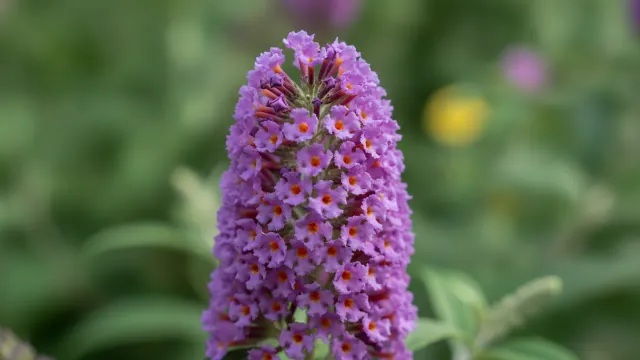
Buddleia davidii
June to September at 6.5 feet, zones 5 to 9, in fragrant cones the butterflies queue for; deadhead and the flush never seems to end. One responsibility rider: it seeds aggressively in some regions and is regulated in the Pacific Northwest, so check your state's list, and plant a sterile modern cultivar where it is a concern.
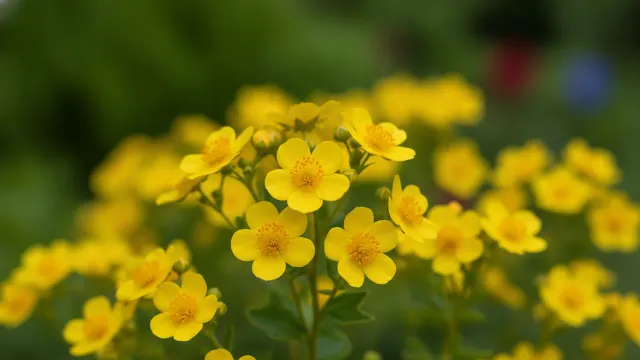
Potentilla fruticosa
June to September, and hardy to zone 2, which makes it the longest-blooming shrub for the coldest gardens on the map, full stop. A tidy 3-foot mound covered in small gold, white, pink, or orange flowers all summer, on famously low water.
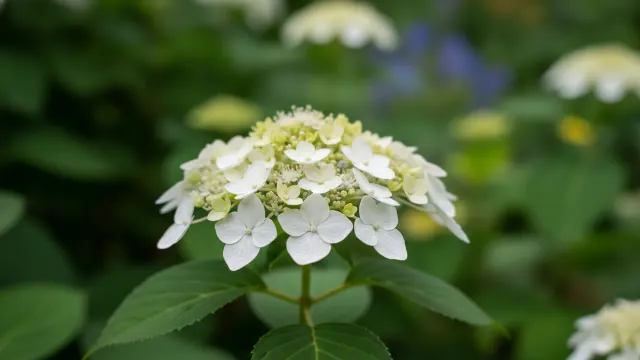
Hydrangea arborescens
June to September in big rounded white heads, zones 3 to 9, at 4 feet. It blooms on new wood, so even a hard spring cut costs nothing; its bigleaf cousin holds the same June to September record in blue and pink, and our hydrangea guide referees the whole family.
The late anchors: July to September, when it counts
Three months is not the longest run in this guide, but these three run the right three months: they open in July, just as the spring shrubs are a memory, and close the season. In a front yard, one April-starting rebloomer plus one late anchor covers April to September between them, the Encore azalea stretches the far end to October on its own, and a marathoner plus an anchor still owns the whole summer.
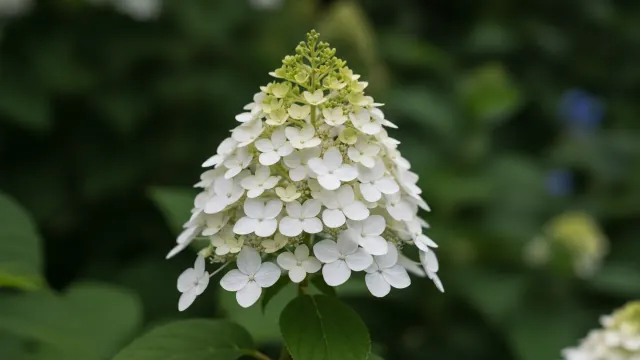
Hydrangea paniculata
The late-summer default for cold zones because of when it starts: July, exactly as the spring shrubs bow out, with white cones to September that take on an antique-pink flush as they age into fall. That is age, not soil chemistry, which only its bigleaf cousin reads. Zones 3 to 8, full sun, 6.5 feet.
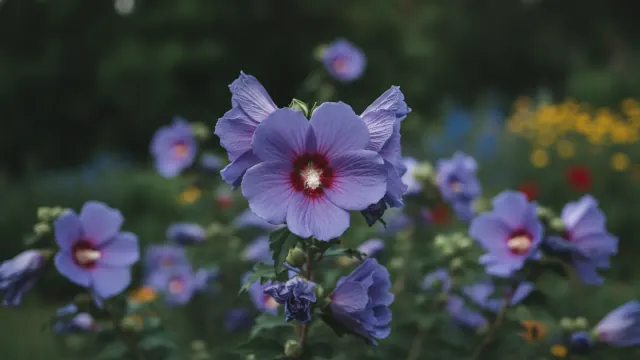
Hibiscus syriacus
July to September at 8 feet, zones 5 to 9: a hardy hibiscus in shrub form, opening fresh flowers daily through the hottest weeks. The library's thirteen records run white through pink to violet and blue, several of them modern seedless types.
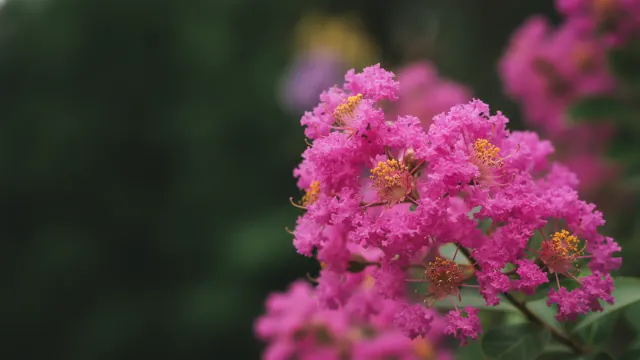
Lagerstroemia
July to September, zones 6 to 10, and the reigning champion of southern high summer: enormous flower panicles on beautiful bark, from 4-foot dwarfs to 23-foot trees across the library's fourteen records. In its zones it does what nothing else can in an August heatwave.
The mild-climate members
Two more join the five-month tier where winters allow, and both prove a point worth knowing: the cultivar, not just the species, sets the record.
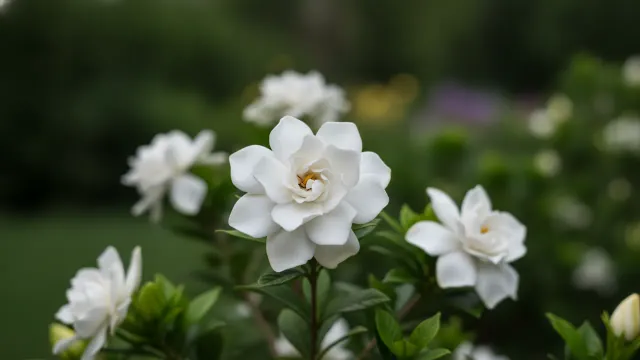
Gardenia jasminoides 'August Beauty'
May to September, zones 8 to 11: the gardenia that keeps producing its perfumed white flowers months after the ordinary gardenia, whose record stops in July, has finished. Same acid soil, same part sun, two extra months, purely from the cultivar choice.
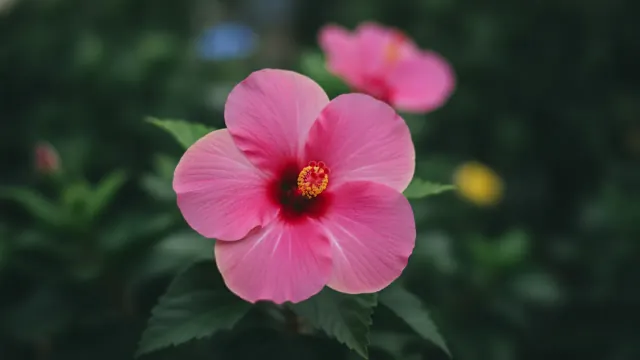
Hibiscus rosa-sinensis
June to October in zones 9 to 11, at 5 feet: fresh hand-sized silk-textured flowers daily for five months where frost never interferes. Everywhere colder it is a beloved patio pot that winters indoors, which is its own kind of long bloom.
And the roses, in their own room
The reason no rose appears above: our library files its 87 roses as their own category, not with the shrubs, and on the measured question they would crowd the podium: the Knock Out and the modern landscape roses run May to October, six months, behind only the Encore azalea itself. If the question behind this guide is really "one flowering shrub for the front of the house", a landscape rose is a legitimate answer and arguably the winner; our deadheading guide covers the self-cleaning types, and the cottage garden guide puts them to work.
Do reblooming shrubs really flower for six months straight?
In waves, not a wall: a big spring flush, a breather, then repeating flushes into fall, heaviest again at the end. The record's April to October span is the honest width of the show, not an unbroken peak. If you want no gaps at all, pair a rebloomer with a June to September marathoner like potentilla or butterfly bush and the waves overlap.
How do I prune these without losing the show?
Sort them by wood. The new-wood group, panicle and smooth hydrangea, butterfly bush, rose of sharon, and crape myrtle, is cut in early spring and flowers the same year. The rebloomers make their spring wave on old wood, so the growers' rule is to prune them, if at all, right after that first flush and never in fall. Our hydrangea guide explains the old-wood logic in full.
Why is my ordinary lilac or azalea not on the list?
Because the ordinary versions are sprinters: the classic lilac's record is April to May, the classic azalea's the same, and no amount of care stretches genetics. That is not a fault, a two-week lilac is still worth its ground, but if the brief is months of bloom, it takes the reblooming cultivars or the summer marathoners above.
Which long-blooming shrub for a cold garden?
Zone 3 has two headline answers: the Bloomerang lilac, rated to zone 3 with its April to September waves, and potentilla, hardy all the way to zone 2 and in flower June to September. Panicle and smooth hydrangeas back them up from zone 3 too. Cold gardens are genuinely spoiled on this particular question.
Design a garden with these plants
Open BloomsEye Studio with this guide's plants ready to drop onto a plan, then watch the whole bed bloom across the year. New to it? See what the free garden planner does.