
Companion plants for Foamy Bells
Foamy Bells blooms from May through June. It wants part shade and moderate water. The 8 companion pairings below each state why the pairing works.
Blooming before Foamy Bells opens

Tall Oregon Grape
Shares part shade and moderate water; blooms in early spring, before this one opens; both offer pollinator forage, in different months; evergreen, so the bed keeps its shape through winter.
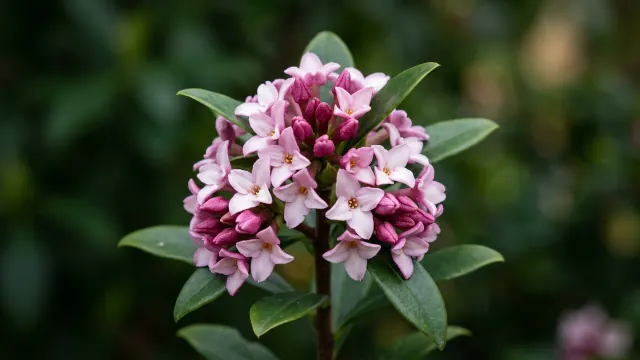
Winter Daphne
Shares part shade and moderate water; blooms in early spring, before this one opens; both offer pollinator forage, in different months; evergreen, so the bed keeps its shape through winter.
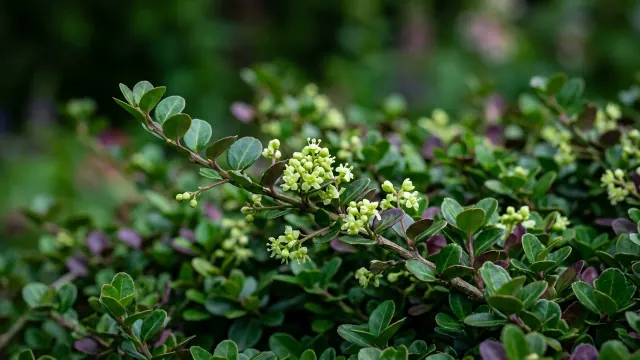
Coloratus Wintercreeper
Shares part shade and moderate water; blooms in mid spring, before this one opens; both offer pollinator forage, in different months; evergreen, so the bed keeps its shape through winter.
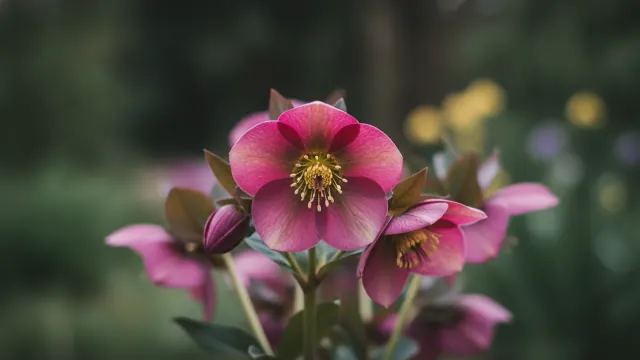
Hellebore
Shares part shade and moderate water; blooms in late winter, before this one opens; evergreen, so the bed keeps its shape through winter; both offer pollinator forage, in different months.

Windflower
Takes part sun to part shade and moderate water; blooms in early spring, before this one opens; both offer pollinator forage, in different months; lower at 6 in, for the front of the border.
Taking over as Foamy Bells finishes
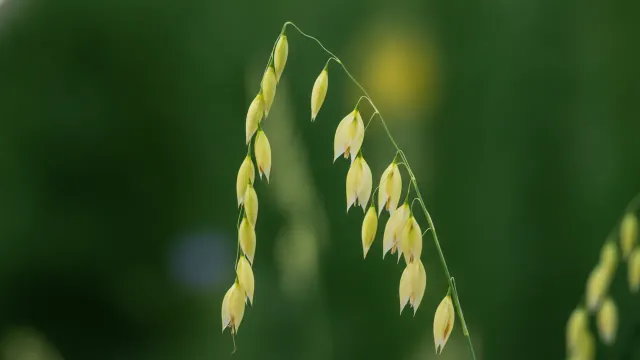
Northern Sea Oats
Shares part shade and moderate water; blooms in midsummer as this one finishes; both offer pollinator forage, in different months; its seed heads stand through winter, for structure and the birds.

Zigzag Goldenrod
Shares part shade and moderate water; blooms in late summer, extending the bed's season; both offer pollinator forage, in different months; its seed heads stand through winter, for structure and the birds.
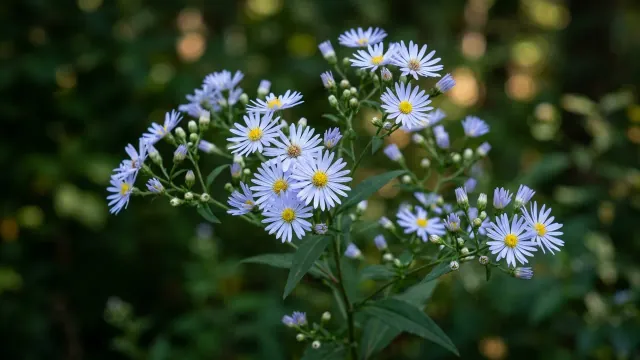
Blue Wood Aster
Shares part shade and moderate water; blooms in late summer, extending the bed's season; both offer pollinator forage, in different months; its seed heads stand through winter, for structure and the birds.