
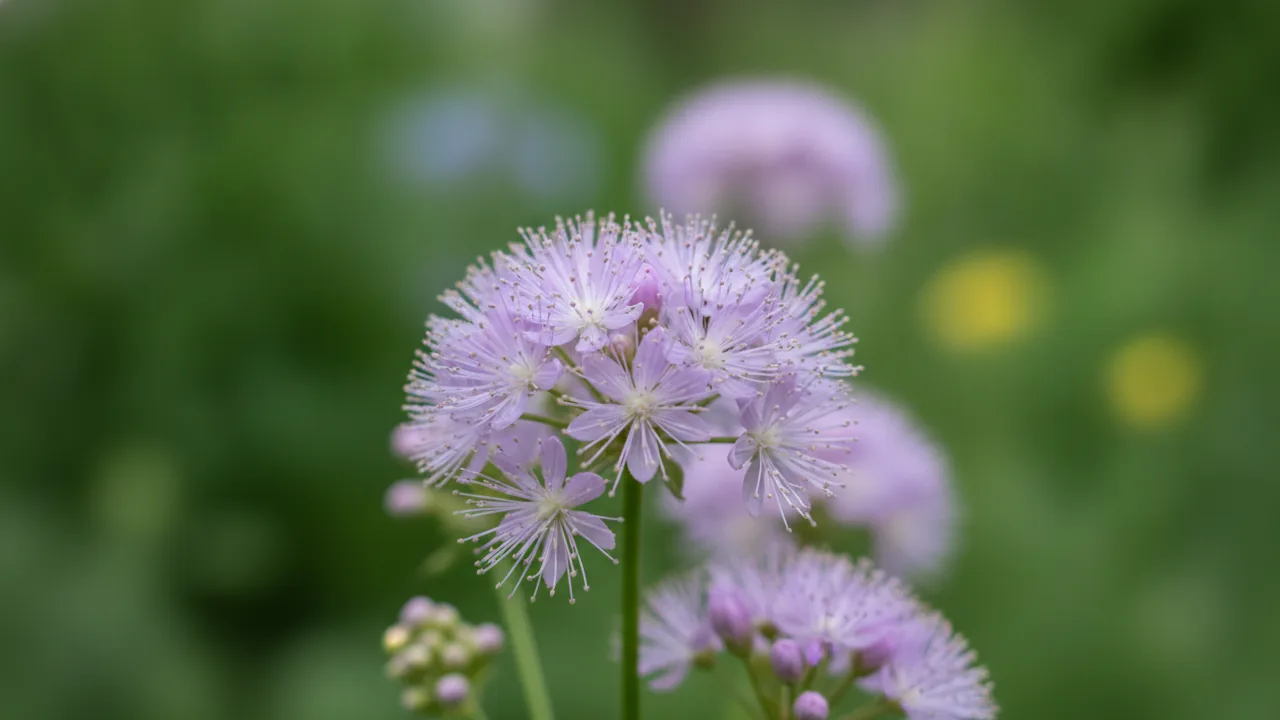
 Illustration

Meadow Rue
Thalictrum
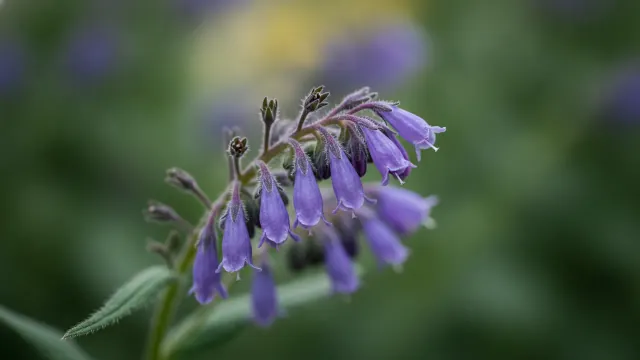
Also comes in white and yellow.
Meadow Rue blooms from June through July.
Months here are Northern Hemisphere months; in the Southern Hemisphere, shift them by six months.
Growing Meadow Rue
Plant it in part shade. It prefers moderate water. It is hardy in USDA zones 4–8. Expect it to reach about 4 ft tall and 1.5 ft wide at maturity, in roughly 2 years (not yet checked).
What was checked
Mature height and spread, hardiness zones, sun and the trait tags were checked against named botanical sources for this plant. The bloom months and water need on this page were not, and each fact above says which. The planting, spacing and size sections are derived from these checked facts by a fixed rule, not checked separately, and the plant type is the library's own classification.
When to plant Meadow Rue
Plant Meadow Rue in early spring as soon as the soil is workable, or in early fall at least six weeks before your first frost, so roots establish in cool weather. In zone 6, the middle of its hardy zones 4 to 8, spring means March to May and fall means August or September. Once settled, it blooms from June to July.
Month-by-month timing for your zone is on the planting calendar; if you garden near zone 6, the middle of this plant's hardy range, start with zone 6 in March. Derived from the plant's category, zones and bloom months plus typical zone frost dates, not checked separately.
How big does Meadow Rue get?
 4 fttall5 ft 7 inan adult1.5 ftwide
See Meadow Rue in a garden plan: the planner shows it in 3D beside everything else you add, growing toward this size over the years.
How far apart to plant Meadow Rue
Derived from the mature spread above by a fixed rule, not checked separately: spacing is the spread, center to center.
Space Meadow Rue about 1.5 ft apart, center to center, so each plant has room to reach its full width.
Add Meadow Rue to a garden plan and the planner draws it at its full width, so you see the spacing before you buy.
Where these facts come from
Meadow Rue's height, spread, hardiness zones, sun and trait tags were checked against 15 published sources on July 29, 2026. Each one is linked below with every fact it carried, which can include a fact this page still marks as not yet checked, because a source carrying a value is not the same as the value being held to the standard. Facts not in that list, and the planting, spacing and size sections, are not covered by these sources.
- American MeadowsThalictrum rochebrunianumheight, spread, hardiness zones, sun and trait tags
- Missouri Botanical GardenThalictrum flavum subsp. flavumheight, spread, hardiness zones, sun and trait tags
- NC State ExtensionThalictrum aquilegiifoliumheight, spread, hardiness zones, sun and trait tags
- NC State ExtensionThalictrum dasycarpumheight, spread, hardiness zones, sun and trait tags
- NC State ExtensionThalictrum dioicumheight, spread, hardiness zones, sun and trait tags
- Clemson Home and Garden Information CenterClemson Cooperative Extension HGICheight, hardiness zones, sun and trait tags
- Missouri Botanical GardenThalictrum aquilegiifoliumheight, spread, hardiness zones and sun
- Missouri Botanical GardenThalictrum rochebruneanumheight, spread, hardiness zones and sun
- Missouri Botanical GardenThalictrum delavayiheight, spread, hardiness zones and sun
- University of Illinois ExtensionThalictrum dasycarpumheight, hardiness zones, sun and trait tags
- Chicago Botanic GardenThalictrum rochebruneanumheight, hardiness zones and sun
- Plant Delights NurseryThalictrum rochebrunianumheight, hardiness zones and sun
- RHSRoyal Horticultural Society (Thalictrum aquilegiifolium)height, spread and sun
- RHSRoyal Horticultural Society (Thalictrum rochebruneanum)height, spread and sun
- Lady Bird Johnson Wildflower CenterThalictrum dasycarpumheight and sun
How the checking works, and what each standard covers, is on the verified plants page.
Good to know about Meadow Rue
Curated from university extensions, botanic gardens and other primary sources, with the source named on every note. A note reports what its source says; where that differs from a fact above, the fact above is this entry's stored value, and its mark says whether it has been checked.
Safety
Treat as mildly toxic: this buttercup-family plant's sap holds protoanemonin, which can redden or blister skin and upset the stomach if eaten. Keep it away from children and pets. per Cornell
Worth knowing
The fluffy, misty flowers have no true petals: the powder-puff look comes from clouds of thread-like stamens and small sepals. per NC State
Does it need staking?
It depends on the species. The tall, wiry stems of the floppy types need support set early, but sturdy-stemmed lavender mist usually stands on its own. per NC State and Missouri Botanical Garden
Deer and rabbit resistant
Deer and rabbits leave it alone: the bitter, alkaloid-rich, faintly acrid buttercup-family foliage is unpalatable to browsers. per NC State
Airy, see-through plant
The narrow, wiry stems and open flower clouds let your eye pass through, so it veils rather than blocks: place it mid-border or at the back. per NC State and Missouri Botanical Garden
Few pests or diseases
A low-trouble perennial with no serious insect or disease problems; only occasional powdery mildew or rust in crowded, humid, poorly ventilated spots. per NC State
Pollen for bees
More a pollen source than a nectar plant: bees gather pollen from the male flowers and butterflies visit, but many species are wind-pollinated. per NC State
What pairs well with Meadow Rue
Good companions share its growing conditions and add something it lacks: an earlier or later bloom, a lower carpet in front, or structure through winter.
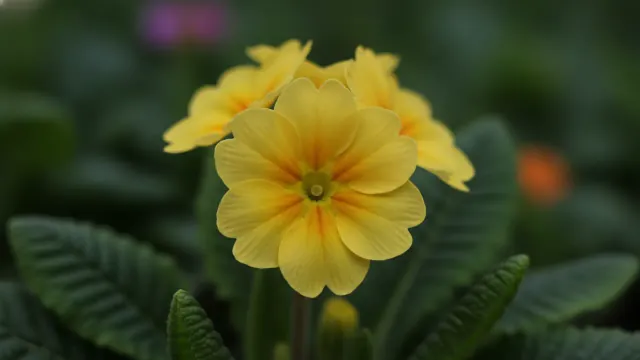
Primrose
Shares part shade and moderate water; blooms in early spring, before this one opens; lower at 8 in, for the front of the border; both offer pollinator forage, in different months.
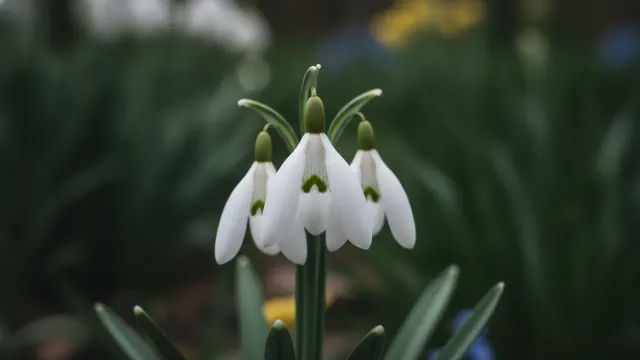
Snowdrop
Shares part shade and moderate water; blooms in late winter, before this one opens; low at 5 in, to carpet the ground beneath; both are strong pollinator plants, and they feed in different months.
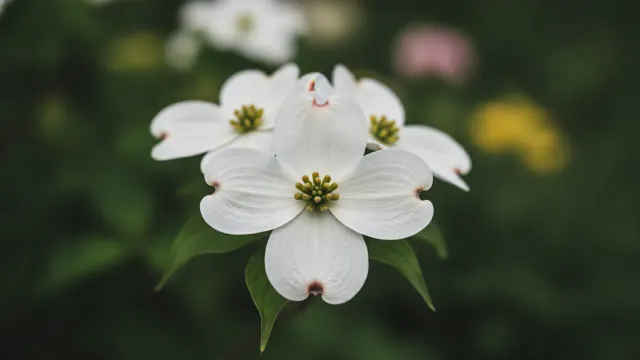
Flowering Dogwood
Shares part shade and moderate water; blooms in mid spring, before this one opens; both are strong pollinator plants, and they feed in different months; taller at 23 ft, for the layer behind it.
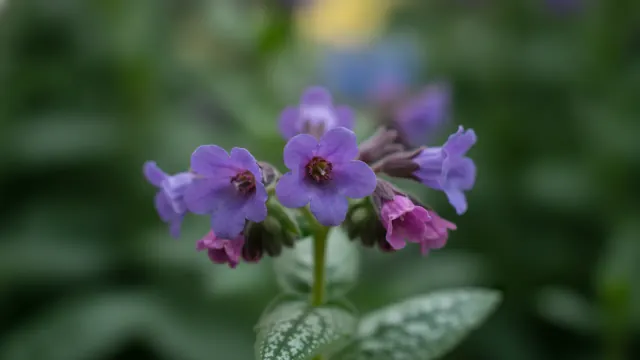
Lungwort
Shares part shade and moderate water; blooms in early spring, before this one opens; both are strong pollinator plants, and they feed in different months; lower at 12 in, for the front of the border.
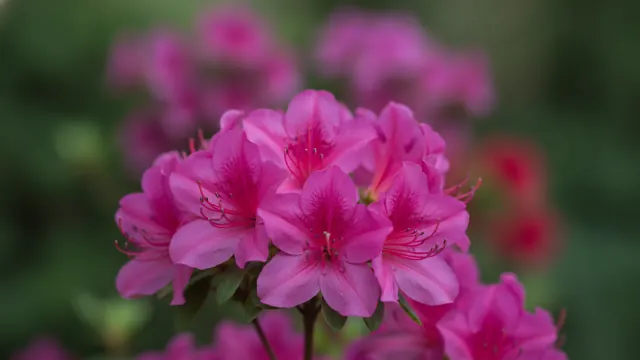
Azalea
Shares part shade and moderate water; blooms in mid spring, before this one opens; both are strong pollinator plants, and they feed in different months; evergreen, so the bed keeps its shape through winter.
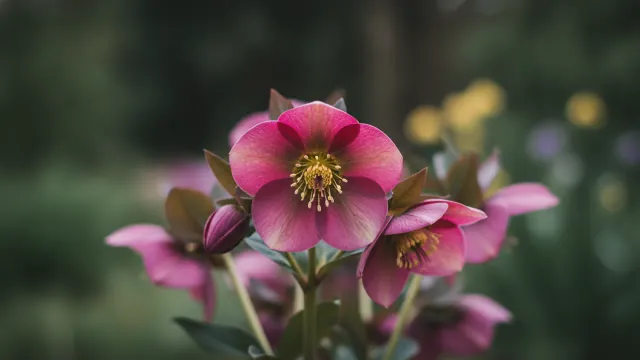
Hellebore
Shares part shade and moderate water; blooms in late winter, before this one opens; both offer pollinator forage, in different months; evergreen, so the bed keeps its shape through winter.

Windflower
Takes part sun to part shade and moderate water; blooms in early spring, before this one opens; low at 6 in, to carpet the ground beneath; both are strong pollinator plants, and they feed in different months.
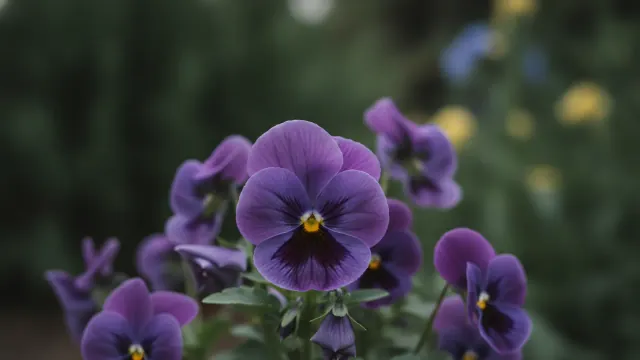
Pansy
Takes part sun to part shade and moderate water; opens in early spring and overlaps into this one's season; lower at 8 in, for the front of the border; both offer pollinator forage.
Explore similar plants
You might also like
Design a garden with this
Drop this plant onto a 3D plan, see how it fills in, and watch your whole garden bloom across the year.