
Companion plants for Periwinkle
Periwinkle blooms from April through June. It wants part shade and low water. The 8 companion pairings below each state why the pairing works.
Taking over as Periwinkle finishes
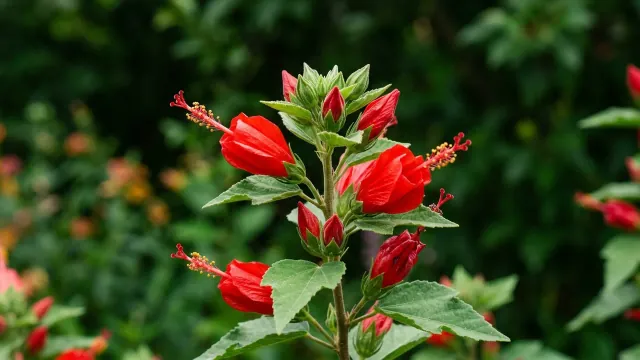
Texas Turk's Cap
Shares part shade and low to moderate water; overlaps, then carries the display into late fall; stands well above at 4.5 ft, a canopy to plant beneath; both are strong pollinator plants.
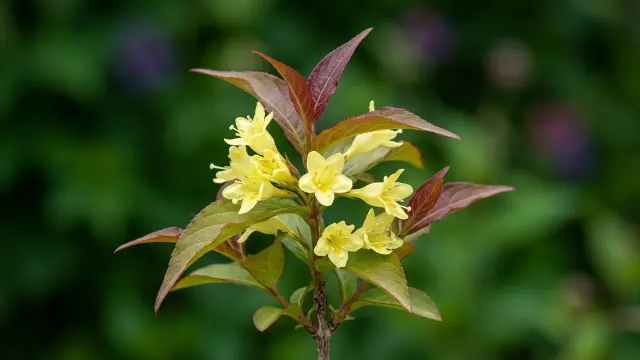
Kodiak Red Diervilla
Takes part sun to part shade and low to moderate water; overlaps, then carries the display into midsummer; stands well above at 3.5 ft, a canopy to plant beneath; both are strong pollinator plants.
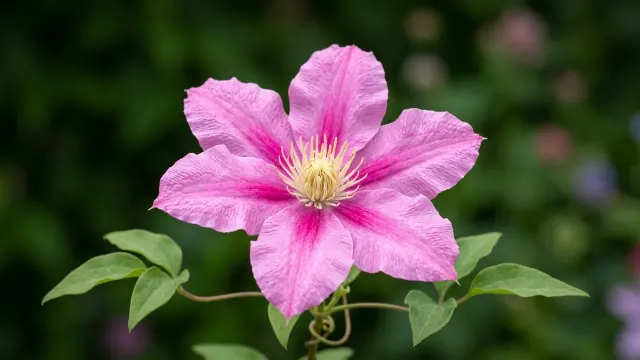
Vicki Clematis
Shares part shade and low to moderate water; overlaps, then carries the display into early fall; climbs to 3.5 ft behind it, height without the footprint; both offer pollinator forage.
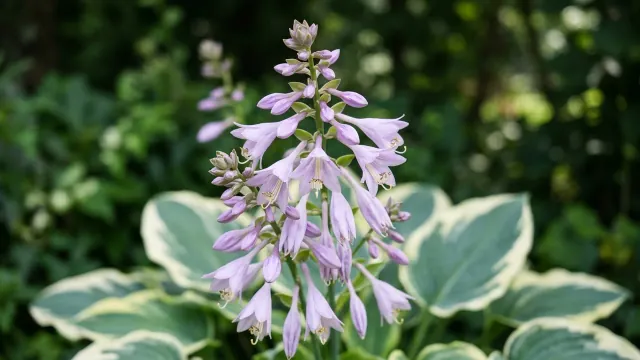
Earth Angel Hosta
Shares part shade and low to moderate water; blooms in midsummer as this one finishes; stands well above at 3.5 ft, a canopy to plant beneath; both are strong pollinator plants, and they feed in different months; this one spreads, so it will crowd its neighbor in time.
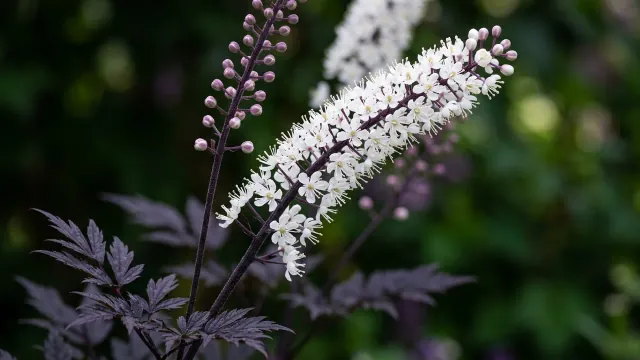
Brunette Bugbane
Shares part shade and low to moderate water; blooms in early fall, extending the bed's season; stands well above at 5 ft, a canopy to plant beneath; both are strong pollinator plants, and they feed in different months; this one spreads, so it will crowd its neighbor in time.
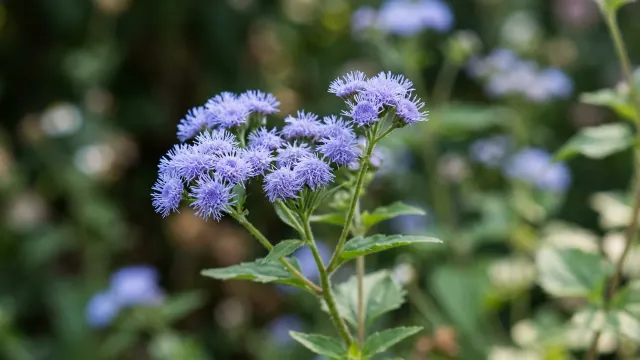
Blue Mistflower
Shares part shade and low to moderate water; blooms in midsummer as this one finishes; both are strong pollinator plants, and they feed in different months; taller at 2 ft, for the layer behind it; this one spreads, so it will crowd its neighbor in time.
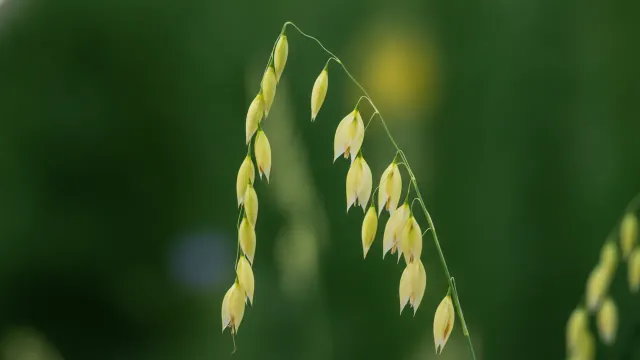
Northern Sea Oats
Shares part shade and low to moderate water; blooms in midsummer as this one finishes; stands well above at 3.5 ft, a canopy to plant beneath; both are strong pollinator plants, and they feed in different months; this one spreads, so it will crowd its neighbor in time.
Blooming alongside
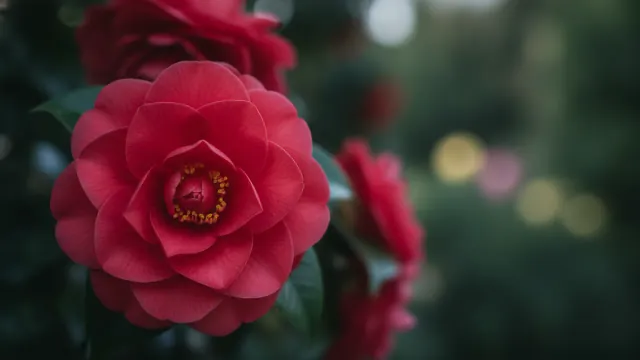
Camellia
Shares part shade and low to moderate water; blooms in midwinter, before this one opens; stands well above at 6.5 ft, a canopy to plant beneath; both are strong pollinator plants, and they feed in different months.