
 Illustration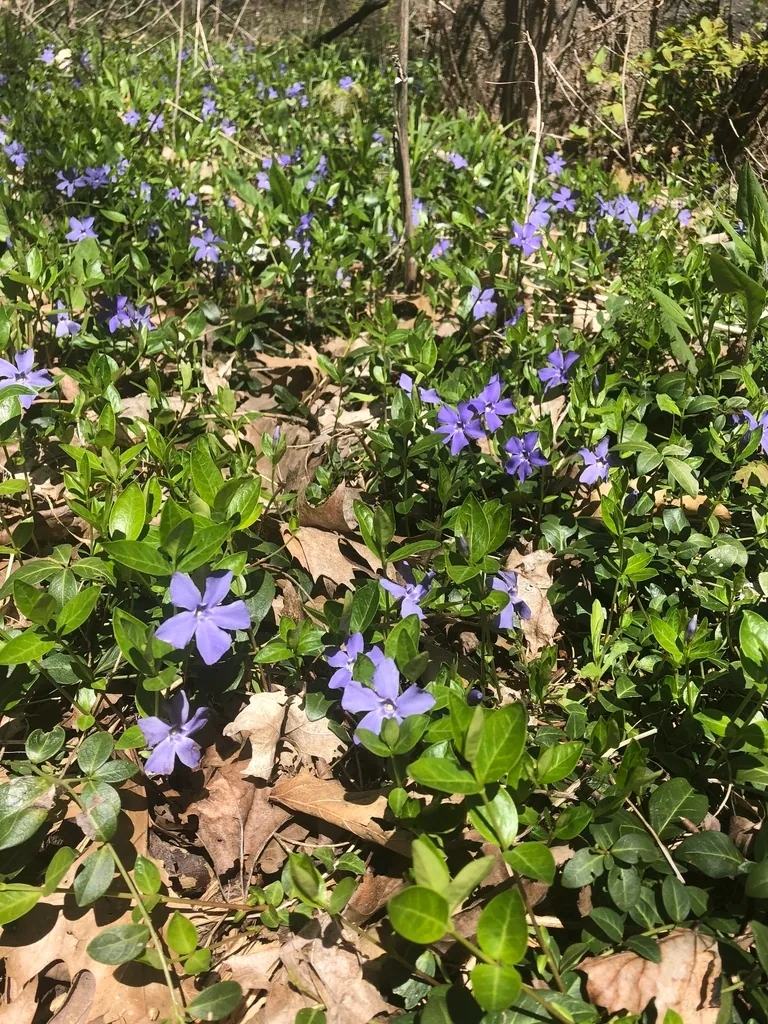
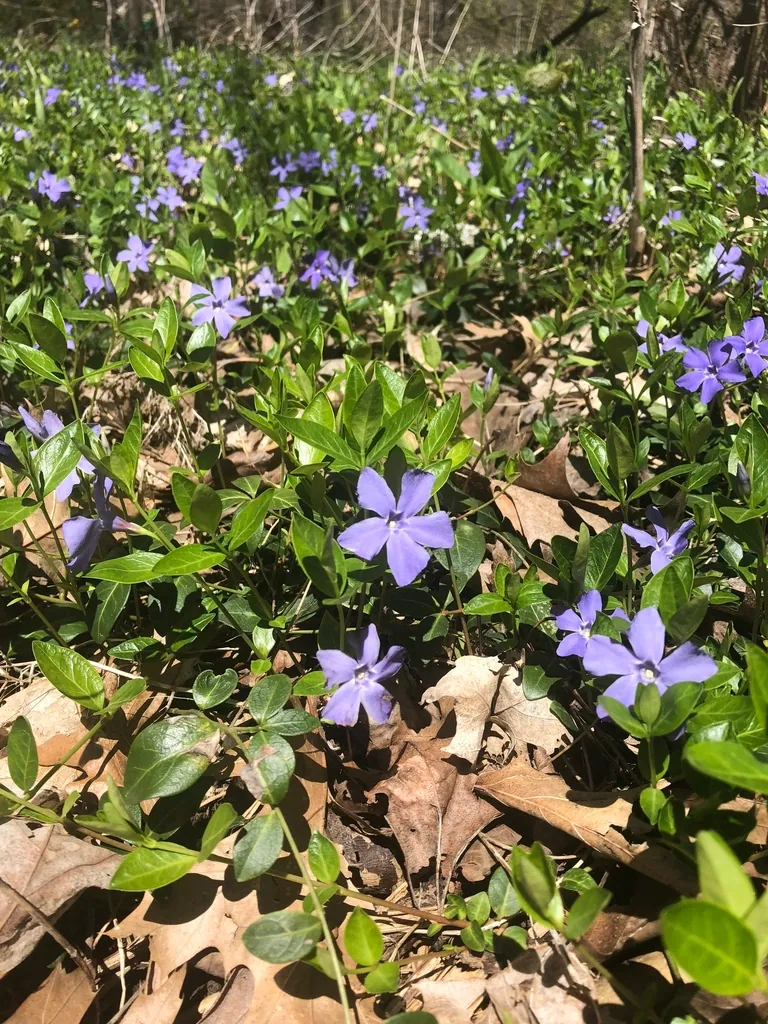

Photo credits and licenses
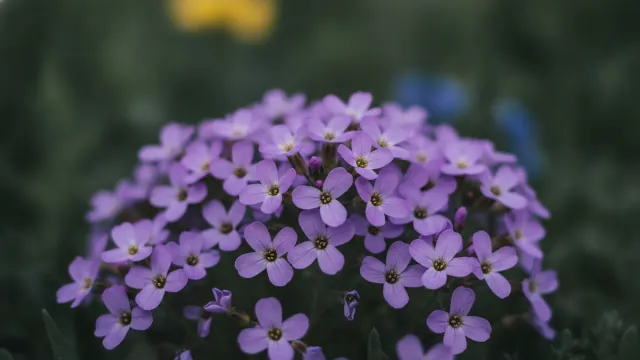
Real photographs from naturalists and photographers worldwide, each used under its own license. Credit: Photo by mcmullenc14 / iNaturalist (CC0) and Photo by mcmullenc14 / iNaturalist (CC0). How photos are sourced →

Periwinkle
Vinca minor
Also comes in white and purple.
Periwinkle blooms from April through June.
Months here are Northern Hemisphere months; in the Southern Hemisphere, shift them by six months.
Growing Periwinkle
Plant it in part shade. It prefers low water. It is hardy in USDA zones 4–9. Expect it to reach about 6 in tall and 20 in wide at maturity, in roughly 2 years (not yet checked).
What was checked
Mature height and spread, hardiness zones, sun and the trait tags were checked against named botanical sources for this plant. The bloom months and water need on this page were not, and each fact above says which. The planting, spacing and size sections are derived from these checked facts by a fixed rule, not checked separately, and the plant type is the library's own classification.
When to plant Periwinkle
Plant Periwinkle in early spring as soon as the soil is workable, or in early fall at least six weeks before your first frost, so roots establish in cool weather. In zone 6, the middle of its hardy zones 4 to 9, spring means March to May and fall means August or September. Once settled, it blooms from April to June.
Month-by-month timing for your zone is on the planting calendar; if you garden near zone 6, the middle of this plant's hardy range, start with zone 6 in March. Derived from the plant's category, zones and bloom months plus typical zone frost dates, not checked separately.
How big does Periwinkle get?
 6 intall5 ft 7 inan adult20 inwide
See Periwinkle in a garden plan: the planner shows it in 3D beside everything else you add, growing toward this size over the years.
How far apart to plant Periwinkle
Derived from the mature spread above by a fixed rule, not checked separately: spacing is the spread, center to center.
Space Periwinkle about 20 in apart, center to center, so each plant has room to reach its full width.
Add Periwinkle to a garden plan and the planner draws it at its full width, so you see the spacing before you buy.
Where these facts come from
Periwinkle's height, spread, hardiness zones, sun and trait tags were checked against 11 published sources on August 1, 2026. Each one is linked below with every fact it carried, which can include a fact this page still marks as not yet checked, because a source carrying a value is not the same as the value being held to the standard. Facts not in that list, and the planting, spacing and size sections, are not covered by these sources.
- American Meadowsheight, spread, hardiness zones, sun, years to mature size and trait tags
- NC State ExtensionPlant Toolboxheight, spread, hardiness zones, sun, years to mature size and trait tags
- Missouri Botanical GardenPlant Finderheight, spread, hardiness zones, sun and trait tags
- patuxentnursery.comPatuxent Nurseryheight, spread, hardiness zones, sun and trait tags
- RHSRoyal Horticultural Societyheight, spread, sun and years to mature size
- Clemson Home and Garden Information CenterClemson Cooperative Extension HGIC 1112height, sun and years to mature size
- Iowa State University ExtensionYard and Gardenheight, spread and sun
- University of Illinois ExtensionHort Answersheight, hardiness zones and sun
- Chicago Botanic GardenPlant Finderhardiness zones and sun
- University of Illinois ExtensionGround Covers: Periwinkle, Myrtlehardiness zones and sun
- ipm.missouri.eduUniversity of Missouri IPM, Fall Gardenheight
How the checking works, and what each standard covers, is on the verified plants page.
Good to know about Periwinkle
Curated from university extensions, botanic gardens and other primary sources, with the source named on every note. A note reports what its source says; where that differs from a fact above, the fact above is this entry's stored value, and its mark says whether it has been checked.
Safety
Toxic to dogs, cats and horses; the foliage holds vinca alkaloids. Signs run from vomiting and diarrhea to tremors and seizures. per ASPCA
Worth knowing
Its poison and its medicine are one chemistry: the leaf's main alkaloid, vincamine, is the source of vinpocetine, a supplement used to modulate cerebral blood flow. per Poison Control and PubMed Central
Is it really dangerous?
The pet listing is serious, but human poisoning is essentially unrecorded; a documented toddler ingestion caused no symptoms. Still, keep pets and children from eating it. per ASPCA and Poison Control
Invasive; contain it
It escapes gardens across much of North America, smothering woodland floors. Trailing stems root wherever a node touches soil, so edge it and keep it from wild areas. per NC State and USDA
Deer and rabbit resistant
Browsers leave it alone: the bitter, toxic vinca alkaloids in the foliage make it unpalatable, so it holds up as a shade groundcover under deer pressure. per NC State
Evergreen groundcover for shade
It holds glossy, leathery leaves through winter and tolerates deep shade, so it carpets shady ground where turf and most groundcovers fail. per NC State
Stem canker is the risk
Few pests bother it, but stem canker, a fungal dieback, can kill large patches in wet, humid weather. Water at the base and cut out infected spots. per NC State and Virginia Cooperative Extension
What pairs well with Periwinkle
Good companions share its growing conditions and add something it lacks: an earlier or later bloom, a lower carpet in front, or structure through winter.
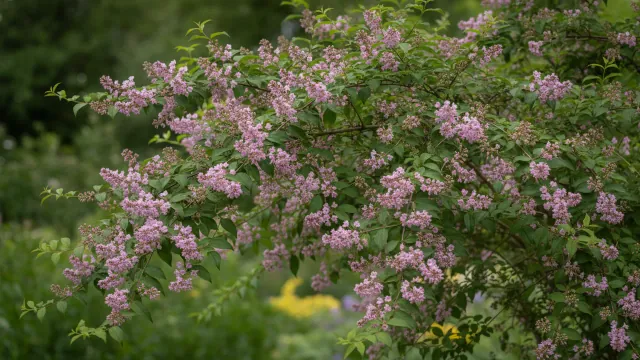
Beautyberry
Takes part sun to part shade and low to moderate water; overlaps, then carries the display into midsummer; stands well above at 5 ft, a canopy to plant beneath; both are strong pollinator plants.
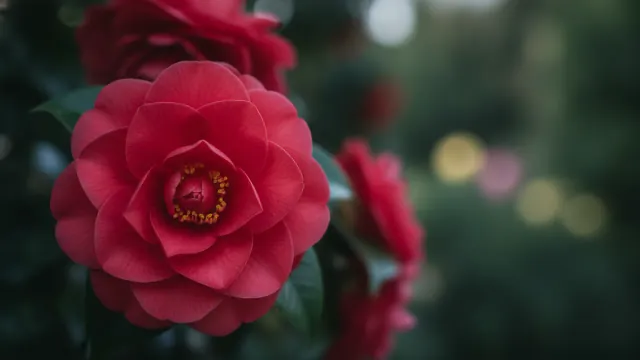
Camellia
Shares part shade and low to moderate water; blooms in midwinter, before this one opens; stands well above at 6.5 ft, a canopy to plant beneath; both are strong pollinator plants, and they feed in different months.
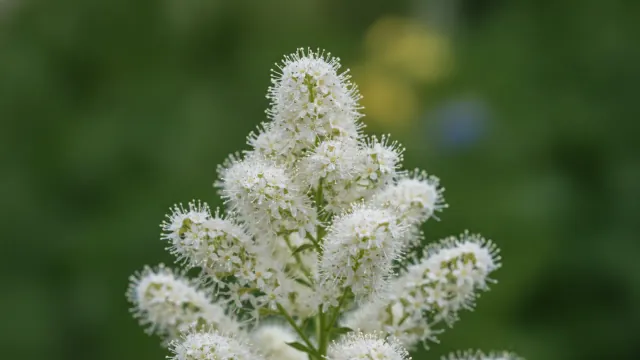
Goatsbeard
Shares part shade and low to moderate water; overlaps, then carries the display into midsummer; stands well above at 4 ft, a canopy to plant beneath; both offer pollinator forage; this one spreads, so it will crowd its neighbor in time.
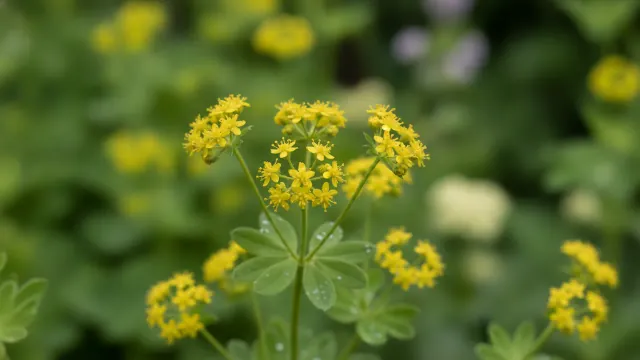
Lady's Mantle
Shares part shade and low to moderate water; overlaps, then carries the display into midsummer; both are strong pollinator plants; taller at 1.5 ft, for the layer behind it.
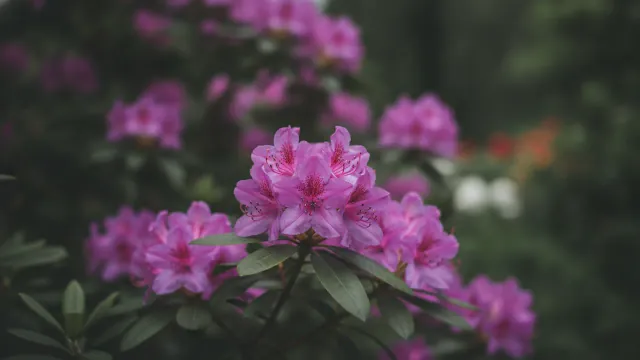
Rhododendron
Shares part shade and low to moderate water; stands well above at 6 ft, a canopy to plant beneath; both are strong pollinator plants.
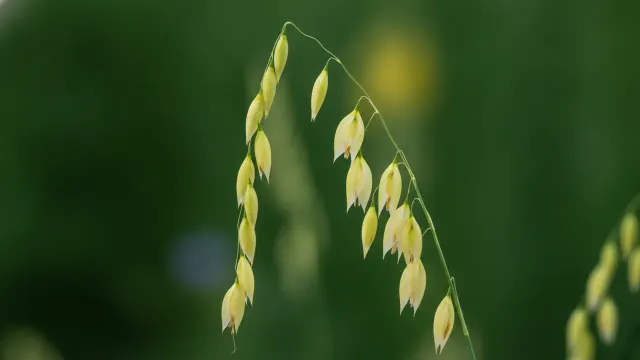
Northern Sea Oats
Shares part shade and low to moderate water; blooms in midsummer as this one finishes; stands well above at 3.5 ft, a canopy to plant beneath; orange against blue, for contrast; this one spreads, so it will crowd its neighbor in time.
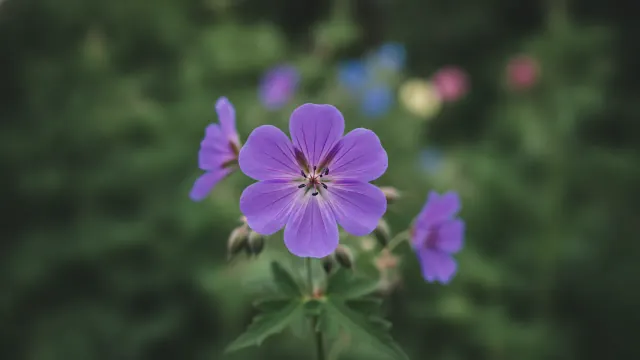
Hardy Geranium
Takes part sun to part shade and low to moderate water; overlaps, then carries the display into late summer; both offer pollinator forage; taller at 1.5 ft, for the layer behind it; this one spreads, so it will crowd its neighbor in time.
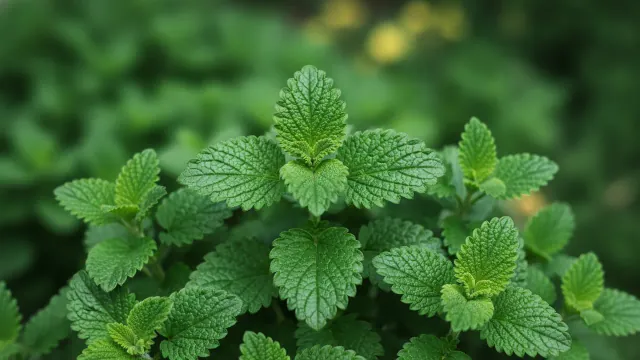
Lemon Balm
Takes part sun to part shade and low to moderate water; taller at 2 ft, for the layer behind it.
Featured in these guides
Explore similar plants
You might also like
Design a garden with this
Drop this plant onto a 3D plan, see how it fills in, and watch your whole garden bloom across the year.