
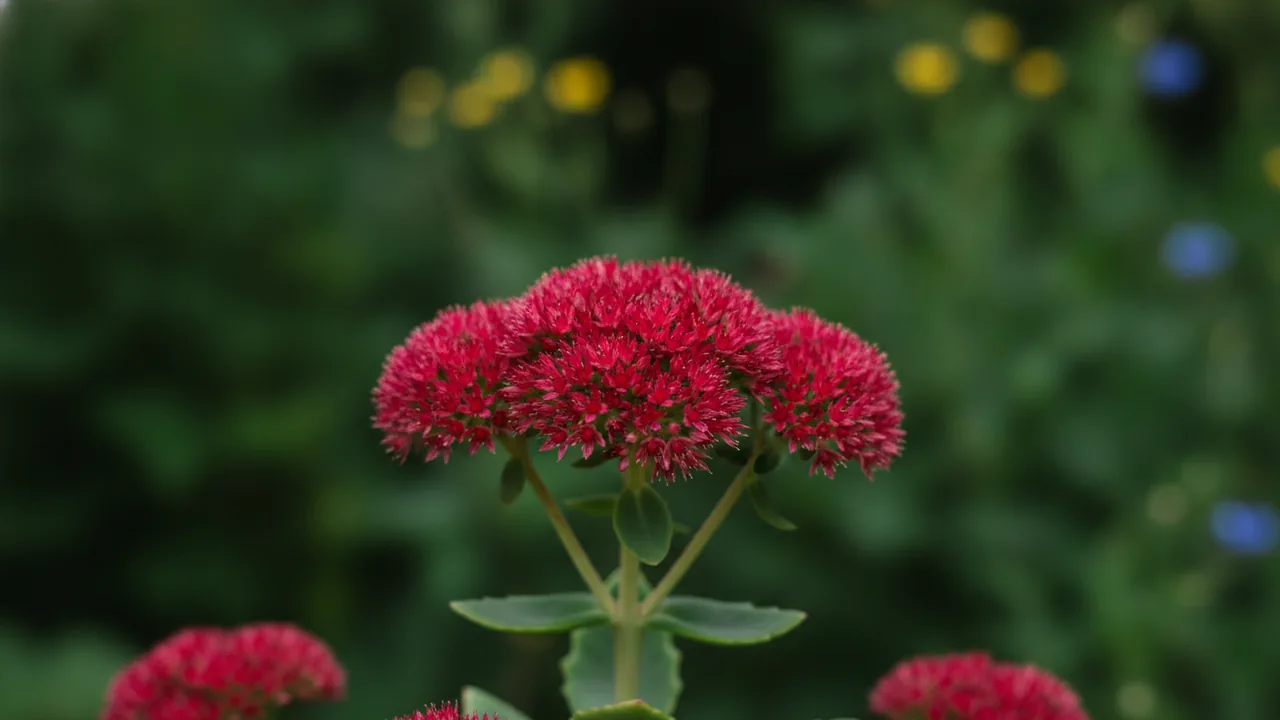
 Illustration

Autumn Joy Sedum
Hylotelephium 'Herbstfreude'
Also called stonecrop
Autumn Joy Sedum blooms from August through October.
Months here are Northern Hemisphere months; in the Southern Hemisphere, shift them by six months.
Growing Autumn Joy Sedum
Plant it in full sun. It prefers low water. It is hardy in USDA zones 3–9. Expect it to reach about 20 in tall and 20 in wide at maturity, in roughly 2 years (not yet checked).
No toxicity note is on file for Autumn Joy Sedum. That is not a clearance: check its safety for people and pets before planting.
What was checked
Mature height and spread, hardiness zones, sun and the trait tags were checked against named botanical sources for this plant. The bloom months and water need on this page were not, and each fact above says which. The planting, spacing and size sections are derived from these checked facts by a fixed rule, not checked separately, and the plant type is the library's own classification.
When to plant Autumn Joy Sedum
Plant Autumn Joy Sedum in early spring as soon as the soil is workable, or in early fall at least six weeks before your first frost, so roots establish in cool weather. In zone 6, the middle of its hardy zones 3 to 9, spring means March to May and fall means August or September. Once settled, it blooms from August to October.
Month-by-month timing for your zone is on the planting calendar; if you garden near zone 6, the middle of this plant's hardy range, start with zone 6 in March. Derived from the plant's category, zones and bloom months plus typical zone frost dates, not checked separately.
How big does Autumn Joy Sedum get?
 20 intall5 ft 7 inan adult20 inwide
See Autumn Joy Sedum in a garden plan: the planner shows it in 3D beside everything else you add, growing toward this size over the years.
How far apart to plant Autumn Joy Sedum
Derived from the mature spread above by a fixed rule, not checked separately: spacing is the spread, center to center.
Space Autumn Joy Sedum about 20 in apart, center to center, so each plant has room to reach its full width.
Add Autumn Joy Sedum to a garden plan and the planner draws it at its full width, so you see the spacing before you buy.
Where these facts come from
Autumn Joy Sedum's height, spread, hardiness zones, sun and trait tags were checked against 6 published sources on July 29, 2026. Each one is linked below with every fact it carried, which can include a fact this page still marks as not yet checked, because a source carrying a value is not the same as the value being held to the standard. Facts not in that list, and the planting, spacing and size sections, are not covered by these sources.
- American Meadowsheight, spread, hardiness zones, sun and trait tags
- Missouri Botanical GardenPlant Finderheight, spread, hardiness zones, sun and trait tags
- NC State ExtensionPlant Toolboxheight, spread, hardiness zones, sun and trait tags
- Sooner Plant Farmheight, spread, hardiness zones, sun and trait tags
- fieldstonegardens.comFieldstone Gardensheight, hardiness zones, sun and trait tags
- Breck'sheight, hardiness zones and sun
How the checking works, and what each standard covers, is on the verified plants page.
9 more colors in the Sedum group
Same genus, similar care - pick the one you are growing.
- Autumn Fire
- Brilliant
- Frosty Morn
- Matrona
- Mr. Goodbud
- Neon
- Purple Emperor
- SunSparkler Firecracker
- Thunderhead
Compare every variety in the Sedum group
Every figure is the variety's own page fact. Tap a name to open it.
| Variety | Color | Blooms | Hardiness | Sun | Size (H × W) |
|---|---|---|---|---|---|
| Autumn Fire | Red | Aug–Oct | Zones 3–9 | Full sun | 20 in × 20 in |
| Autumn Joythis page | Pink | Aug–Oct | Zones 3–9 | Full sun | 20 in × 20 in |
| Brilliant | Pink | Aug–Oct | Zones 3–9 | Full sun | 20 in × 20 in |
| Frosty Morn | Pink | Aug–Oct | Zones 3–9 | Full sun | 16 in × 16 in |
| Matrona | Pink | Aug–Oct | Zones 3–9 | Full sun | 24 in × 20 in |
| Mr. Goodbud | Pink | Aug–Oct | Zones 3–9 | Full sun | 20 in × 20 in |
| Neon | Pink | Aug–Oct | Zones 3–9 | Full sun | 20 in × 20 in |
| Purple Emperor | Pink | Aug–Oct | Zones 3–9 | Full sun | 16 in × 20 in |
| SunSparkler Firecracker | Pink | Aug–Sep | Zones 4–9 | Full sun | 8 in × 16 in |
| Thunderhead | Red | Aug–Oct | Zones 3–9 | Full sun | 24 in × 20 in |
Good to know about Autumn Joy Sedum
Curated from university extensions, botanic gardens and other primary sources, with the source named on every note. A note reports what its source says; where that differs from a fact above, the fact above is this entry's stored value, and its mark says whether it has been checked.
Worth knowing
The classic flop, where the clump splits open in late summer, comes from kindness: rich soil, too much water, or too much shade all make soft, top-heavy stems. per NC State
Zones vary by source
Sources list zones 3a to 10b, 4a to 9b, or 3 to 9. Zone 3 survival depends on sharp winter drainage, since wet, cold soil rots the crown. per NC State and Missouri Botanical
Color changes all season
The flower heads open light pink, deepen to rose or cherry red at peak bloom, then age to coppery rust or bronze in fall. That shift is its signature. per NC State
Late-season pollinator magnet
A major fall nectar and pollen source: the flat heads of many small florets feed bees and butterflies late in the year, when little else is blooming. per NC State and University of Missouri
Leave seed heads for winter
Do not cut it down in fall. The stiff stems and dried rust-to-mahogany seed heads stand through winter, adding structure and feeding birds. Cut old stems in early spring. per NC State
The Chelsea chop fix
For a sturdier, shorter clump, cut it back: pinch in early spring for thicker stems, or do the Chelsea chop, cutting stems by a third to a half. per NC State
What pairs well with Autumn Joy Sedum
Good companions share its growing conditions and add something it lacks: an earlier or later bloom, a lower carpet in front, or structure through winter.
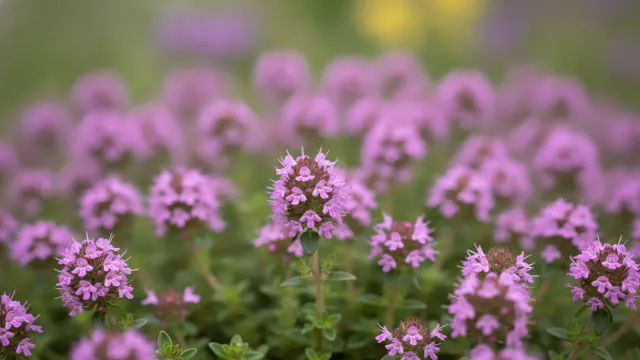
Thyme
Shares full sun and low water; blooms in late spring, before this one opens; both are strong pollinator plants, and they feed in different months; lower at 6 in, for the front of the border.
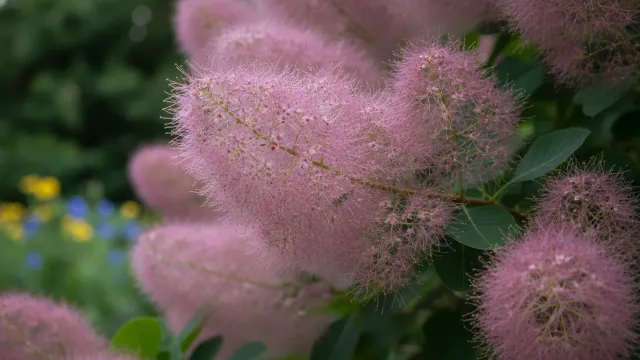
Smokebush
Shares full sun and low water; blooms in early summer, before this one opens; both offer pollinator forage, in different months; taller at 10 ft, for the layer behind it.
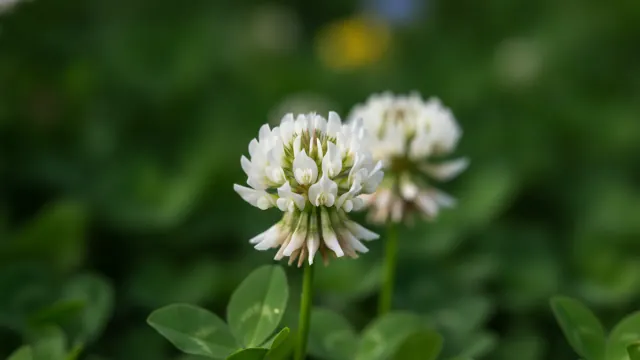
White Clover
Shares full sun and low to moderate water; blooms in late spring, before this one opens; both are strong pollinator plants, and they feed in different months; lower at 4 in, for the front of the border.

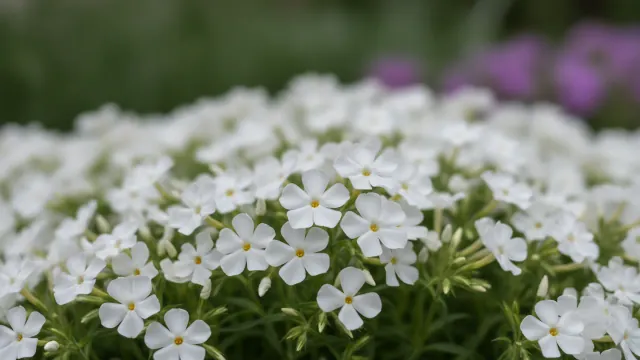
Creeping Phlox
Shares full sun and low water; blooms in mid spring, before this one opens; both are strong pollinator plants, and they feed in different months; lower at 6 in, for the front of the border.

Bachelor's Button
Shares full sun and low water; blooms in late spring, before this one opens; both are strong pollinator plants, and they feed in different months.
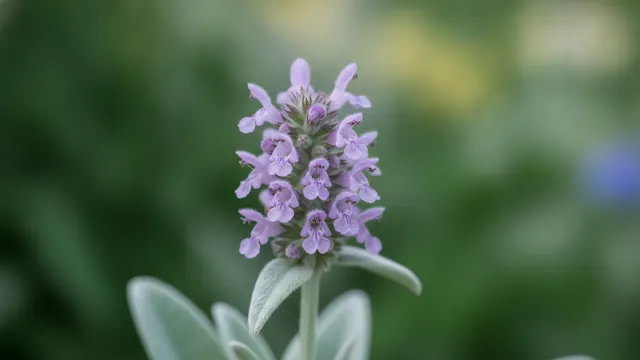
Lamb's Ear
Shares full sun and low water; blooms in early summer, before this one opens; both are strong pollinator plants, and they feed in different months.
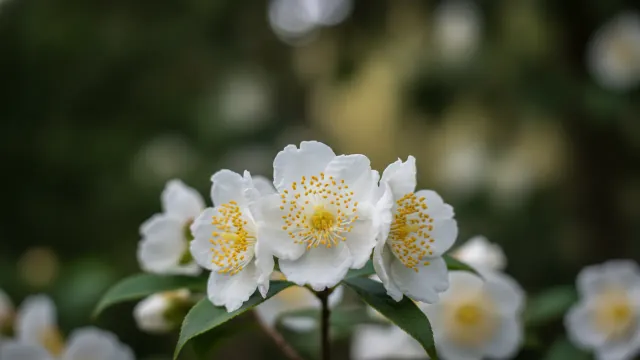
Japanese Stewartia
Takes full sun to part sun and low to moderate water; blooms in early summer, before this one opens; both are strong pollinator plants, and they feed in different months; its white flowers settle the pink.
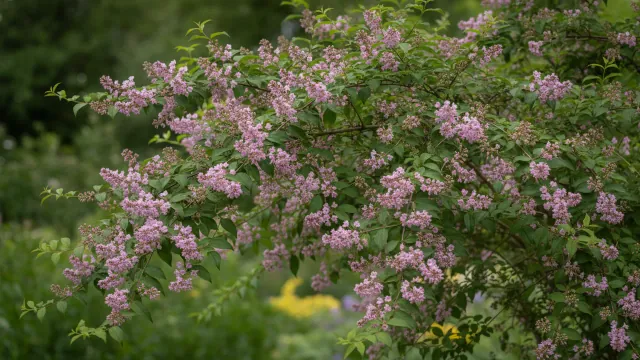
Beautyberry
Takes full sun to part sun and low to moderate water; blooms in early summer, before this one opens; both are strong pollinator plants, and they feed in different months; taller at 5 ft, for the layer behind it.
Explore similar plants
You might also like


Design a garden with this
Drop this plant onto a 3D plan, see how it fills in, and watch your whole garden bloom across the year.