
 Illustration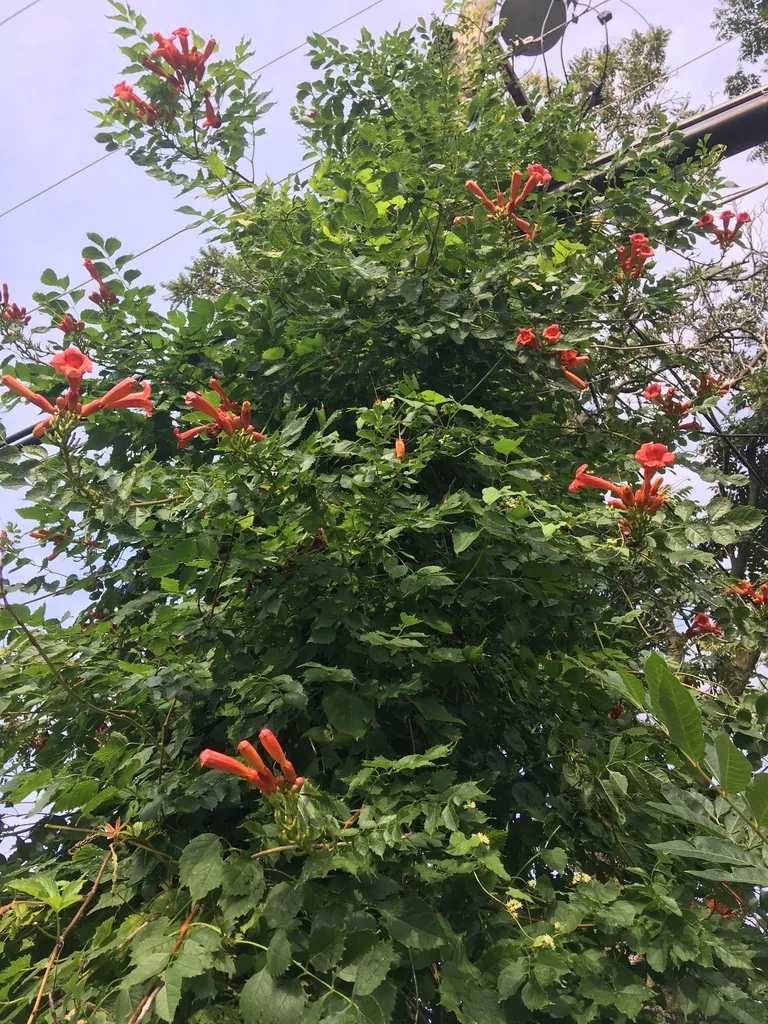
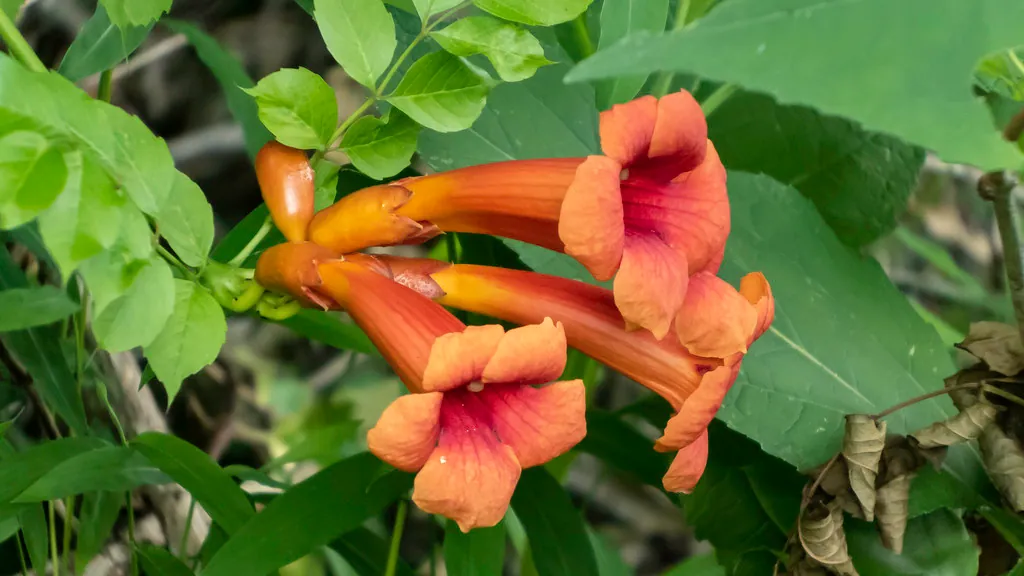

Photo credits and licenses
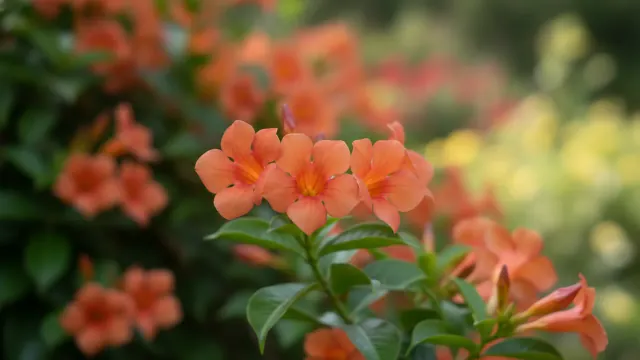
Real photographs from naturalists and photographers worldwide, each used under its own license. Credit: Photo by Mike D. / iNaturalist (CC0) and Photo by David Hebert / iNaturalist (CC BY). How photos are sourced →

Trumpet Vine
Campsis radicans
Trumpet Vine blooms from June through September.
Months here are Northern Hemisphere months; in the Southern Hemisphere, shift them by six months.
Growing Trumpet Vine
Plant it in full sun. It prefers moderate water. It is hardy in USDA zones 4–9. Expect it to reach about 26 ft tall and 6.5 ft wide at maturity, in roughly 4 years (not yet checked).
What was checked
Mature height and spread, hardiness zones, sun and the trait tags were checked against named botanical sources for this plant. The bloom months and water need on this page were not, and each fact above says which. The planting, spacing and size sections are derived from these checked facts by a fixed rule, not checked separately, and the plant type is the library's own classification.
When to plant Trumpet Vine
Plant Trumpet Vine in early spring as soon as the soil is workable, or in early fall at least six weeks before your first frost, so roots establish in cool weather. In zone 6, the middle of its hardy zones 4 to 9, spring means March to May and fall means August or September. Once settled, it blooms from June to September.
Month-by-month timing for your zone is on the planting calendar; if you garden near zone 6, the middle of this plant's hardy range, start with zone 6 in March. Derived from the plant's category, zones and bloom months plus typical zone frost dates, not checked separately.
How big does Trumpet Vine get?
 26 fttall5 ft 7 inan adult6.5 ftwide
See Trumpet Vine in a garden plan: the planner shows it in 3D beside everything else you add, growing toward this size over the years.
How far apart to plant Trumpet Vine
Derived from the mature spread above by a fixed rule, not checked separately: spacing is the spread, center to center.
Space Trumpet Vine about 6.5 ft apart, center to center, so each plant has room to reach its full width.
Add Trumpet Vine to a garden plan and the planner draws it at its full width, so you see the spacing before you buy.
Where these facts come from
Trumpet Vine's height, spread, hardiness zones, sun and trait tags were checked against 8 published sources on July 30, 2026. Each one is linked below with every fact it carried, which can include a fact this page still marks as not yet checked, because a source carrying a value is not the same as the value being held to the standard. Facts not in that list, and the planting, spacing and size sections, are not covered by these sources.
- Missouri Botanical GardenCampsis radicansheight, spread, hardiness zones, sun, years to mature size and trait tags
- NC State ExtensionCampsis radicansheight, spread, hardiness zones, sun, years to mature size and trait tags
- Purdue ArboretumCampsis radicansheight, spread, hardiness zones, sun, years to mature size and trait tags
- fnps.orgFlorida Native Plant Society (Campsis radicans)height, hardiness zones, sun, years to mature size and trait tags
- University of Illinois ExtensionTrumpet Creeperheight, hardiness zones, sun, years to mature size and trait tags
- Oregon State UniversityCampsis radicansheight, hardiness zones, sun and trait tags
- Plants For A FutureCampsis radicansheight, sun, years to mature size and trait tags
- Lady Bird Johnson Wildflower CenterCampsis radicansheight, sun and trait tags
How the checking works, and what each standard covers, is on the verified plants page.
Comes in 3 varieties across 2 colors
Same genus, similar care - pick the color you are growing.
Compare every variety in the Trumpet Vine group
Every figure is the variety's own page fact. Tap a name to open it.
| Variety | Color | Blooms | Hardiness | Sun | Size (H × W) |
|---|---|---|---|---|---|
| Crimson Trumpet | Red | Jun–Sep | Zones 4–9 | Full sun | 26 ft × 6.5 ft |
| Flava (Yellow Trumpet) | Yellow | Jun–Sep | Zones 4–9 | Full sun | 26 ft × 6.5 ft |
| Madame Galen | Orange | Jun–Sep | Zones 5–9 | Full sun | 26 ft × 6.5 ft |
| Trumpetthis page | Orange | Jun–Sep | Zones 4–9 | Full sun | 26 ft × 6.5 ft |
Good to know about Trumpet Vine
Curated from university extensions, botanic gardens and other primary sources, with the source named on every note. A note reports what its source says; where that differs from a fact above, the fact above is this entry's stored value, and its mark says whether it has been checked.
Safety
Called cow-itch vine: touching the leaves, flowers or sap can redden, itch and swell skin (a contact dermatitis), and the leaves and flowers are mildly toxic if eaten. per NC State and USDA
Worth knowing
A top hummingbird plant: a narrow throat in each flower lets a hummingbird's bill reach the heavy nectar while shutting out large bees, so hummingbirds carry the pollen. per Ecology and Evolution and Scientific Reports
Spreads hard; contain it
The headline issue: it suckers from underground runners and self-seeds into dense colonies that choke out neighbors, and it is hard to remove once established. per USDA
Needs a very sturdy support
It clings by aerial rootlets and grows heavy woody trunks, so give it a strong freestanding arbor or wall, never house siding, gutters, wood trim or a small tree. per NC State
Prune hard in late winter
It flowers on new growth, so a hard cutback in late winter or early spring keeps it in bounds without costing the coming summer's flowers. per University of Illinois
Slow to start flowering
A newly planted vine often will not bloom for 3 to 5 years; it has to mature first, so a leafy non-blooming plant is usually just young or too shaded. per Iowa State
What pairs well with Trumpet Vine
Good companions share its growing conditions and add something it lacks: an earlier or later bloom, a lower carpet in front, or structure through winter.

Winterberry
Shares full sun and moderate to high water; blooms in mid fall as this one finishes; both are strong pollinator plants, and they feed in different months; shorter at 6.5 ft, an understory layer.
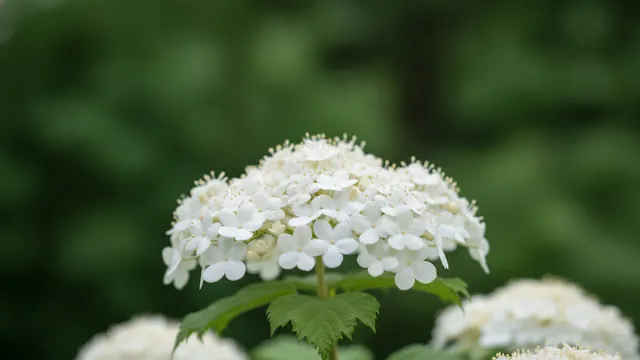
Viburnum
Shares full sun and moderate water; blooms in mid spring, before this one opens; both offer pollinator forage, in different months; shorter at 6.5 ft, an understory layer.

Lilac
Shares full sun and moderate water; blooms in mid spring, before this one opens; both offer pollinator forage, in different months; shorter at 10 ft, an understory layer.
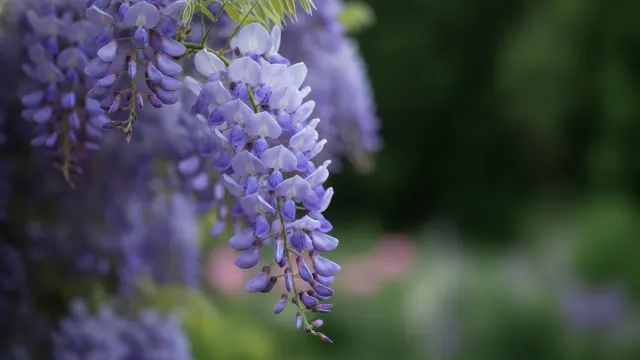
Wisteria
Shares full sun and moderate water; blooms in mid spring, before this one opens; both are strong pollinator plants, and they feed in different months; purple against orange, for contrast.
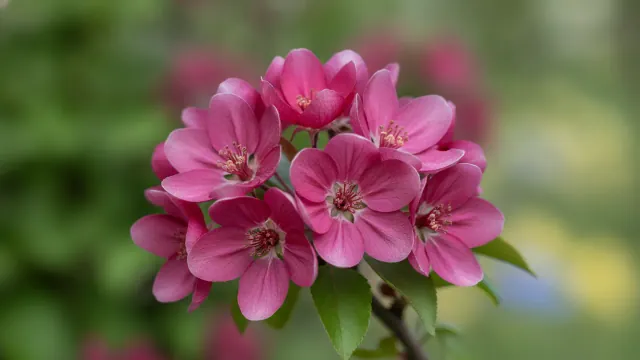
Flowering Crabapple
Shares full sun and moderate water; blooms in mid spring, before this one opens; both are strong pollinator plants, and they feed in different months.
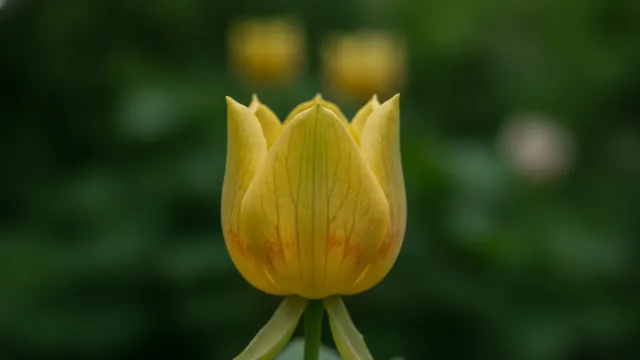
Tulip Tree
Shares full sun and moderate water; opens in late spring and overlaps into this one's season; both are strong pollinator plants; both are North American natives.
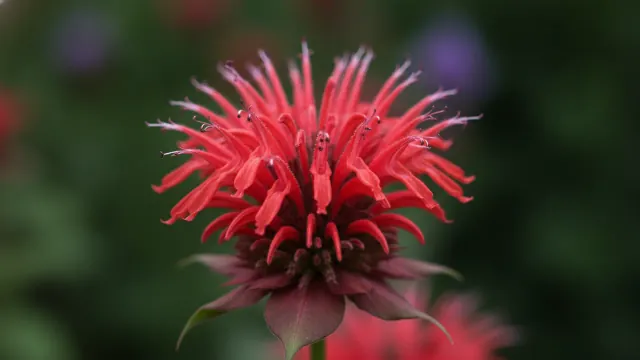
Bee Balm
Shares full sun and moderate water; both are strong pollinator plants; both are North American natives; red sits close to orange on the wheel.
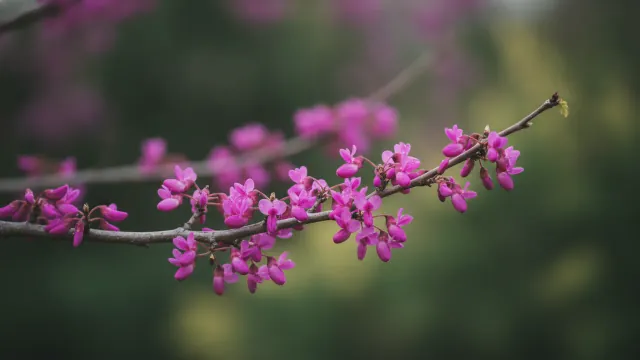
Eastern Redbud
Takes full sun to part sun and moderate water; blooms in mid spring, before this one opens; both are strong pollinator plants, and they feed in different months; both are North American natives.
Featured in these guides
Explore similar plants
You might also like

Design a garden with this
Drop this plant onto a 3D plan, see how it fills in, and watch your whole garden bloom across the year.