
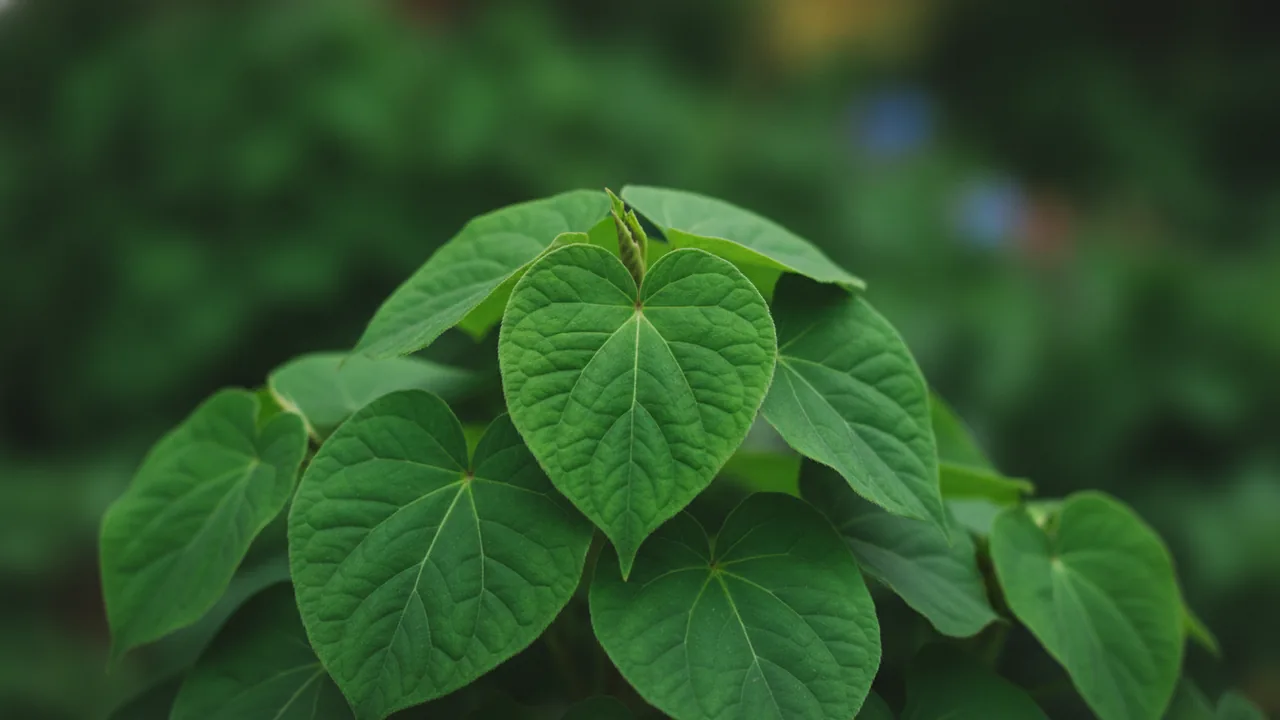
 Illustration

Wild Ginger
Asarum
Wild Ginger is grown for its foliage rather than flowers, giving the garden structure and color all season long.
Months here are Northern Hemisphere months; in the Southern Hemisphere, shift them by six months.
Growing Wild Ginger
Plant it in full shade. It prefers moderate water. It is hardy in USDA zones 4–8. Expect it to reach about 6 in tall and 12 in wide at maturity, in roughly 3 years (not yet checked).
What this means
Written with AI assistance and not yet checked plant by plant against recorded sources, so treat every fact above as a starting point. Its scientific name was checked against botanical registries, an audit keeps its values consistent with the rest of the library, and a July 2026 review re-read the main facts of every plant then in the library against horticultural authorities without recording a source for each, which is why none of that counts as checked here. The source-by-source check is working through the whole library in the open, and a checked plant says so in this row.
When to plant Wild Ginger
Plant Wild Ginger in early spring as soon as the soil is workable, or in early fall at least six weeks before your first frost, so roots establish in cool weather. In zone 6, the middle of its hardy zones 4 to 8, spring means March to May and fall means August or September.
Month-by-month timing for your zone is on the planting calendar; if you garden near zone 6, the middle of this plant's hardy range, start with zone 6 in March. Derived from the plant's category, zones and bloom months plus typical zone frost dates, not checked separately.
How big does Wild Ginger get?
 6 intall5 ft 7 inan adult12 inwide
See Wild Ginger in a garden plan: the planner shows it in 3D beside everything else you add, growing toward this size over the years.
How far apart to plant Wild Ginger
Derived from the mature spread above by a fixed rule, not checked separately: spacing is the spread, center to center.
Space Wild Ginger about 12 in apart, center to center, so each plant has room to reach its full width.
Add Wild Ginger to a garden plan and the planner draws it at its full width, so you see the spacing before you buy.
Good to know about Wild Ginger
Curated from university extensions, botanic gardens and other primary sources, with the source named on every note. A note reports what its source says; where that differs from a fact above, the fact above is this entry's stored value, and its mark says whether it has been checked.
Safety
No part is safe to eat: it holds aristolochic acid, a known human carcinogen that is nephrotoxic, causing irreversible kidney damage and urinary-tract cancer on ingestion. per NCI and NC State
Worth knowing
Despite the name and a ginger-like scent from its rhizome, it is not culinary ginger (Zingiber): it belongs to the birthwort family, Aristolochiaceae. per NC State
Warm-zone limit varies
NC State lists native A. canadense at zones 4a to 6b, while European A. europaeum and group guidance run to zone 7 or 8. Warm-end hardiness is unsettled. per NC State and Missouri Botanical Garden
Native groundcover for shade
It knits into a slow, dense carpet in deep shade without going invasive, a native stand-in for aggressive evergreen groundcovers like English ivy and wintercreeper. per NC State and University of Illinois
Deer and rabbit resistant
Strongly deer resistant and reported rabbit resistant too: browsing wildlife find the foliage unpalatable, and it tolerates deer and heavy shade at once. per NC State
Pipevine swallowtail host plant
It is a larval host for pipevine swallowtail butterflies: its wildlife value is as caterpillar food, not as nectar for adult pollinators. per NC State
Hidden ground-level jug flowers
Its odd jug-shaped, brownish-purple flowers, under 1 in across, sit hidden at ground level under the leaves, so it is grown for foliage, not flowers. per NC State
What pairs well with Wild Ginger
Good companions share its growing conditions and add something it lacks: an earlier or later bloom, a lower carpet in front, or structure through winter.
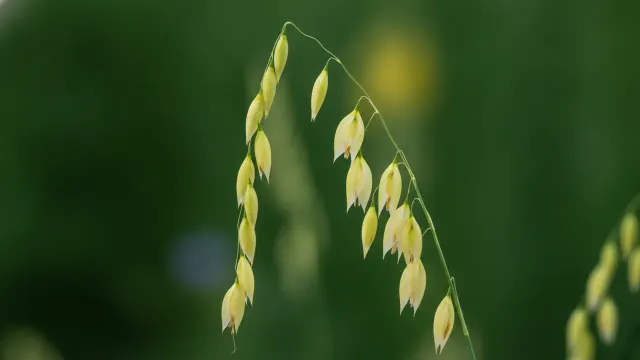
Northern Sea Oats
Takes part shade to full shade and moderate water; stands well above at 3.5 ft, a canopy to plant beneath; its seed heads stand through winter, for structure and the birds; both are North American natives.
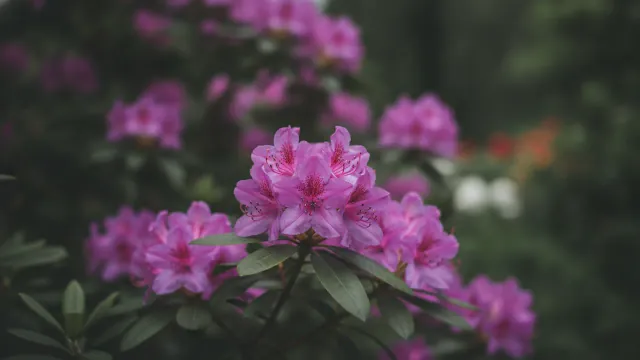
Rhododendron
Takes part shade to full shade and moderate water; stands well above at 6 ft, a canopy to plant beneath; evergreen, so the bed keeps its shape through winter.
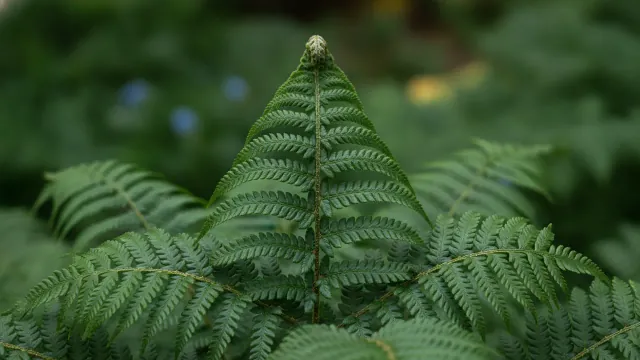
Christmas Fern
Shares full shade and moderate water; evergreen, so the bed keeps its shape through winter; taller at 1.5 ft, for the layer behind it; both are North American natives.
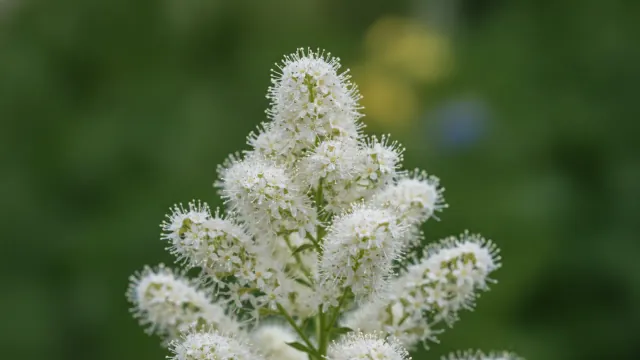
Goatsbeard
Takes part shade to full shade and moderate water; stands well above at 4 ft, a canopy to plant beneath; both are North American natives.
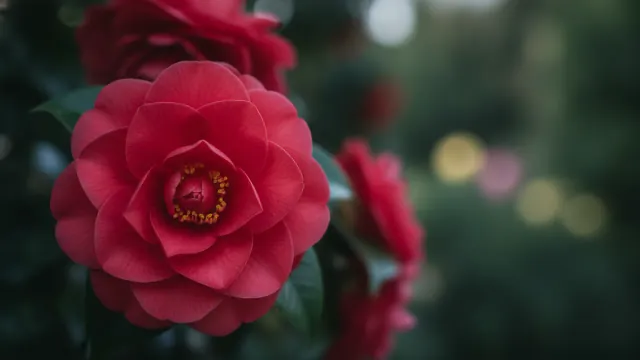
Camellia
Takes part shade to full shade and moderate water; stands well above at 6.5 ft, a canopy to plant beneath; evergreen, so the bed keeps its shape through winter; they only overlap in zones 7 to 8.
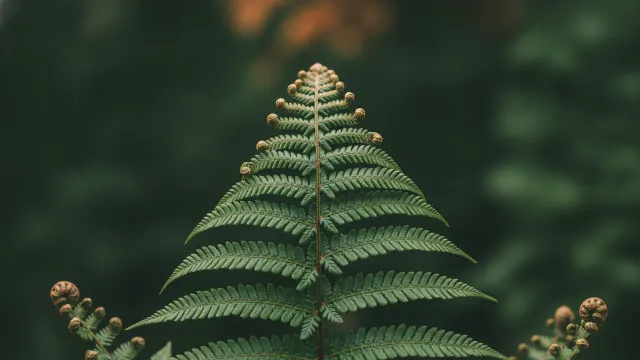
Autumn Fern
Takes part shade to full shade and moderate water; evergreen, so the bed keeps its shape through winter; taller at 1.5 ft, for the layer behind it.
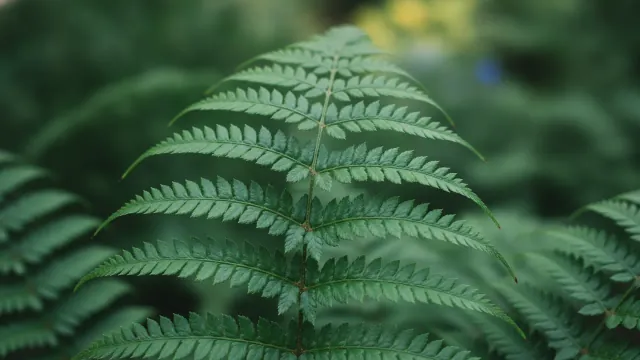
Holly Fern
Shares full shade and moderate water; evergreen, so the bed keeps its shape through winter; taller at 1.5 ft, for the layer behind it.
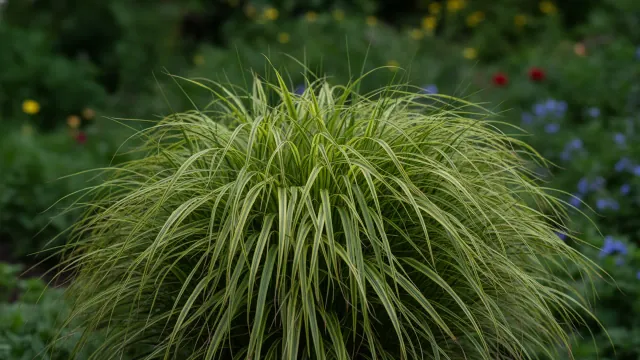
Japanese Forest Grass
Takes part shade to full shade and moderate water; its seed heads stand through winter, for structure and the birds; taller at 1.5 ft, for the layer behind it.
Explore similar plants
You might also like
 Foliage
Design a garden with this
Drop this plant onto a 3D plan, see how it fills in, and watch your whole garden bloom across the year.