
 Illustration

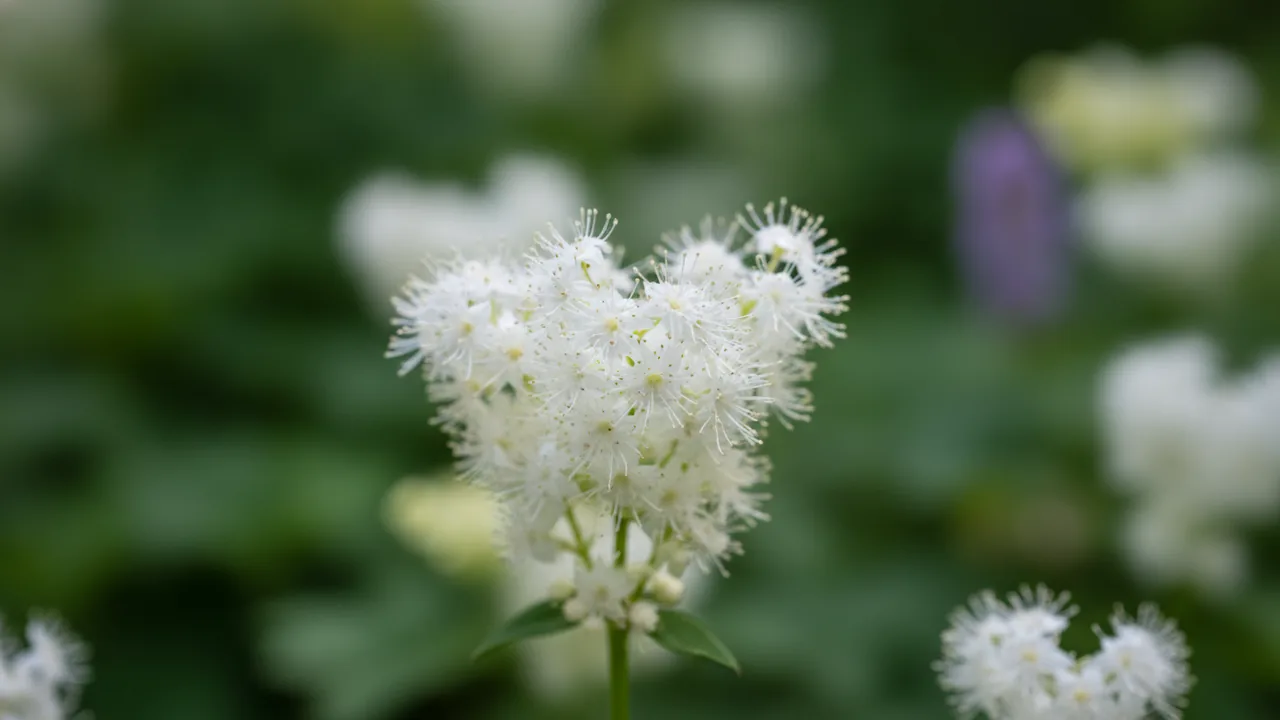
Foam Flower
Tiarella
Also called foamflower
Foam Flower blooms from April through June.
Months here are Northern Hemisphere months; in the Southern Hemisphere, shift them by six months.
Growing Foam Flower
Plant it in part shade. It prefers moderate water. It is hardy in USDA zones 3–8. Expect it to reach about 12 in tall and 16 in wide at maturity, in roughly 2 years (not yet checked).
No toxicity note is on file for Foam Flower. That is not a clearance: check its safety for people and pets before planting.
What was checked
Mature height and spread, hardiness zones, sun and the trait tags were checked against named botanical sources for this plant. The bloom months and water need on this page were not, and each fact above says which. The planting, spacing and size sections are derived from these checked facts by a fixed rule, not checked separately, and the plant type is the library's own classification.
When to plant Foam Flower
Plant Foam Flower in early spring as soon as the soil is workable, or in early fall at least six weeks before your first frost, so roots establish in cool weather. In zone 5, the middle of its hardy zones 3 to 8, spring means April to June and fall means August or September. Once settled, it blooms from April to June.
Month-by-month timing for your zone is on the planting calendar; if you garden near zone 5, the middle of this plant's hardy range, start with zone 5 in April. Derived from the plant's category, zones and bloom months plus typical zone frost dates, not checked separately.
How big does Foam Flower get?
 12 intall5 ft 7 inan adult16 inwide
See Foam Flower in a garden plan: the planner shows it in 3D beside everything else you add, growing toward this size over the years.
How far apart to plant Foam Flower
Derived from the mature spread above by a fixed rule, not checked separately: spacing is the spread, center to center.
Space Foam Flower about 16 in apart, center to center, so each plant has room to reach its full width.
Add Foam Flower to a garden plan and the planner draws it at its full width, so you see the spacing before you buy.
Where these facts come from
Foam Flower's height, spread, hardiness zones, sun and trait tags were checked against 12 published sources on July 31, 2026. Each one is linked below with every fact it carried, which can include a fact this page still marks as not yet checked, because a source carrying a value is not the same as the value being held to the standard. Facts not in that list, and the planting, spacing and size sections, are not covered by these sources.
- NC State ExtensionPlant Toolboxheight, spread, hardiness zones, sun, years to mature size and trait tags
- New Moon Nurseryheight, spread, hardiness zones, sun, years to mature size and trait tags
- Missouri Botanical GardenPlant Finderheight, spread, hardiness zones, sun and years to mature size
- Perennials.com (Heritage Perennials)Heritage Perennialsheight, spread, hardiness zones, sun and years to mature size
- University of Illinois Extensionheight, hardiness zones, sun, years to mature size and trait tags
- Clemson Home and Garden Information CenterClemson Cooperative Extension Home & Garden Information Centerheight, hardiness zones, sun and trait tags
- Prairie Moon Nurseryheight, hardiness zones, sun and trait tags
- prairienursery.comPrairie Nurseryheight, hardiness zones, sun and years to mature size
- Mt. Cuba Centerheight, hardiness zones and sun
- University of Illinois ExtensionHort Answersheight, hardiness zones and sun
- University of Maryland ExtensionHome & Garden Information Centerheight, spread and sun
- Lady Bird Johnson Wildflower CenterNative Plant Databaseheight and sun
How the checking works, and what each standard covers, is on the verified plants page.
Good to know about Foam Flower
Curated from university extensions, botanic gardens and other primary sources, with the source named on every note. A note reports what its source says; where that differs from a fact above, the fact above is this entry's stored value, and its mark says whether it has been checked.
Worth knowing
The shade and moisture it loves also invite its two problems: slugs in damp shade and root rot in soggy ground. Soil that stays moist but drains fixes both. per Clemson and NC State
Running vs clumping forms
Some forms run by stolons and sheet across shady ground; others stay in tidy clumps. Pick a running type for groundcover, a clumping type for edging or pots. per NC State and University of Maryland
Deciduous or semi-evergreen?
Leaf persistence depends on climate. In mild and southern zones the foliage is semi-evergreen and turns bronze in winter; where winters are hard it drops like a deciduous plant. per Clemson and NC State
Eastern woodland native
A forest-floor wildflower of moist, shaded eastern North American woods, from Nova Scotia south to Georgia and west to Minnesota. It was the 1986 NC Wildflower of the Year. per NC State
Early forage for pollinators
The airy spring flower spikes draw bees, butterflies and other early pollinators, useful woodland forage when little else is open. Recommended for pollinator and native gardens. per NC State
Moderately deer resistant
Reported as moderately deer resistant, meaning deer browse it less than many perennials rather than never. Its relatives Heuchera and Heucherella are treated the same way. per University of Maryland and NC State
Distinct from coral bells
Foamflower (Tiarella) is not coral bells (Heuchera) or their hybrid foamy bells (x Heucherella). Read the maple-lobed leaves and foamy spring spikes to tell it apart at the nursery. per NC State
What pairs well with Foam Flower
Good companions share its growing conditions and add something it lacks: an earlier or later bloom, a lower carpet in front, or structure through winter.
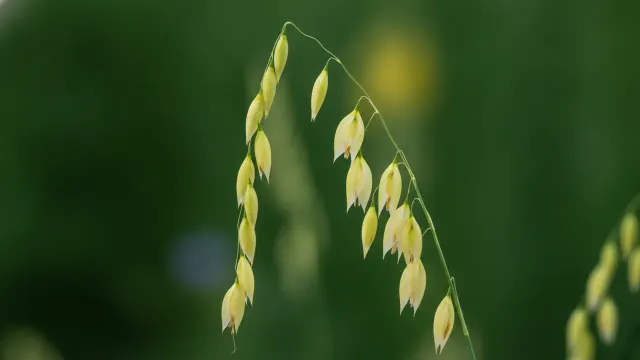
Northern Sea Oats
Shares part shade and moderate water; blooms in midsummer as this one finishes; its seed heads stand through winter, for structure and the birds; taller at 3.5 ft, for the layer behind it.
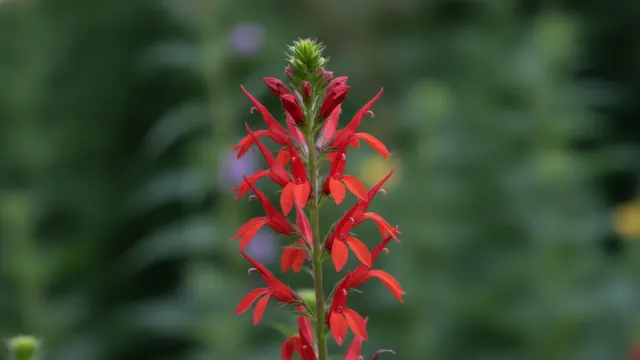
Cardinal Flower
Takes part sun to part shade and moderate to high water; blooms in midsummer as this one finishes; both offer pollinator forage, in different months; taller at 3.5 ft, for the layer behind it.
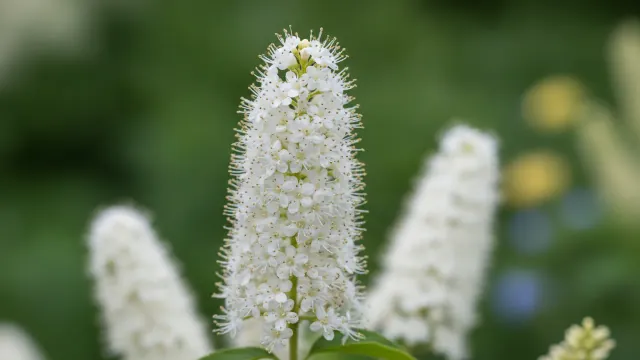
Summersweet
Shares part shade and moderate to high water; blooms in midsummer as this one finishes; both offer pollinator forage, in different months; taller at 6 ft, for the layer behind it.
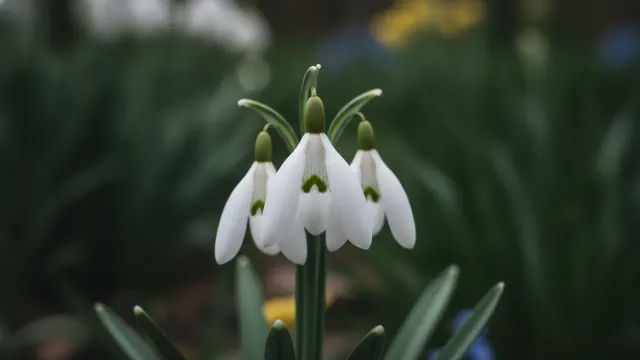
Snowdrop
Shares part shade and moderate water; blooms in late winter, before this one opens; both offer pollinator forage, in different months; lower at 5 in, for the front of the border.
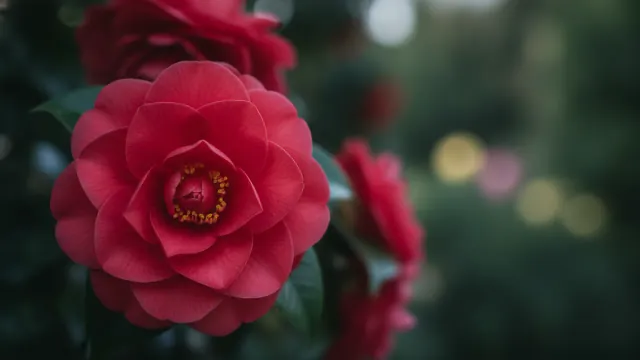
Camellia
Shares part shade and moderate water; blooms in midwinter, before this one opens; both offer pollinator forage, in different months; evergreen, so the bed keeps its shape through winter; they only overlap in zones 7 to 8.
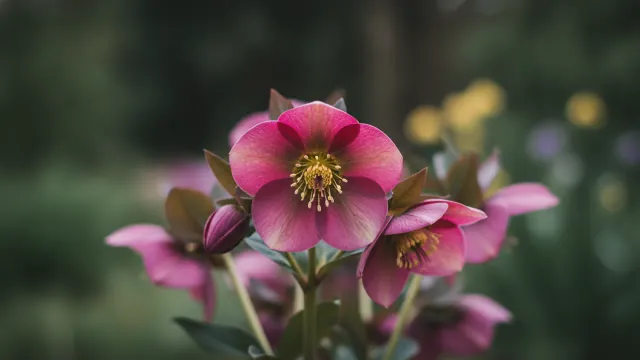
Hellebore
Shares part shade and moderate water; opens in late winter and overlaps into this one's season; evergreen, so the bed keeps its shape through winter; a soft color beside the white.
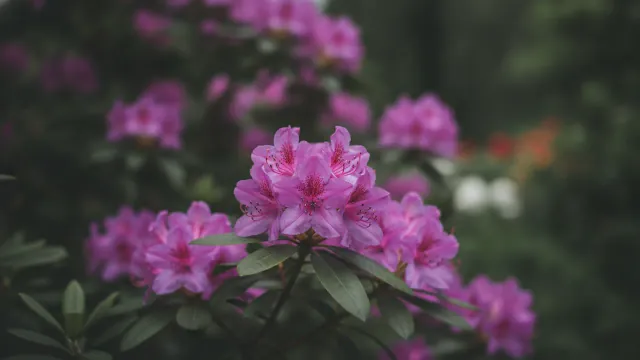
Rhododendron
Shares part shade and moderate water; evergreen, so the bed keeps its shape through winter; both offer pollinator forage; taller at 6 ft, for the layer behind it.
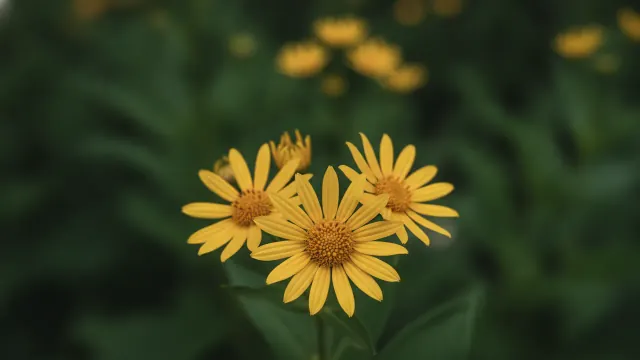
Ligularia
Shares part shade and moderate to high water; blooms in midsummer as this one finishes; both offer pollinator forage, in different months; taller at 4 ft, for the layer behind it.
Featured in these guides
Explore similar plants
You might also like
Design a garden with this
Drop this plant onto a 3D plan, see how it fills in, and watch your whole garden bloom across the year.