
 Illustration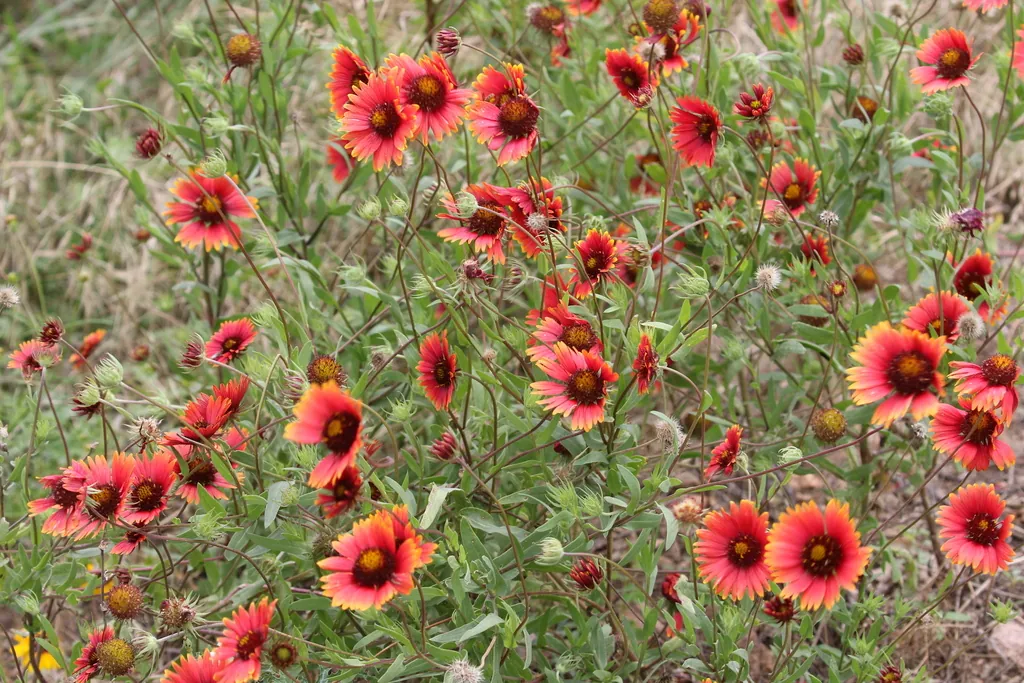
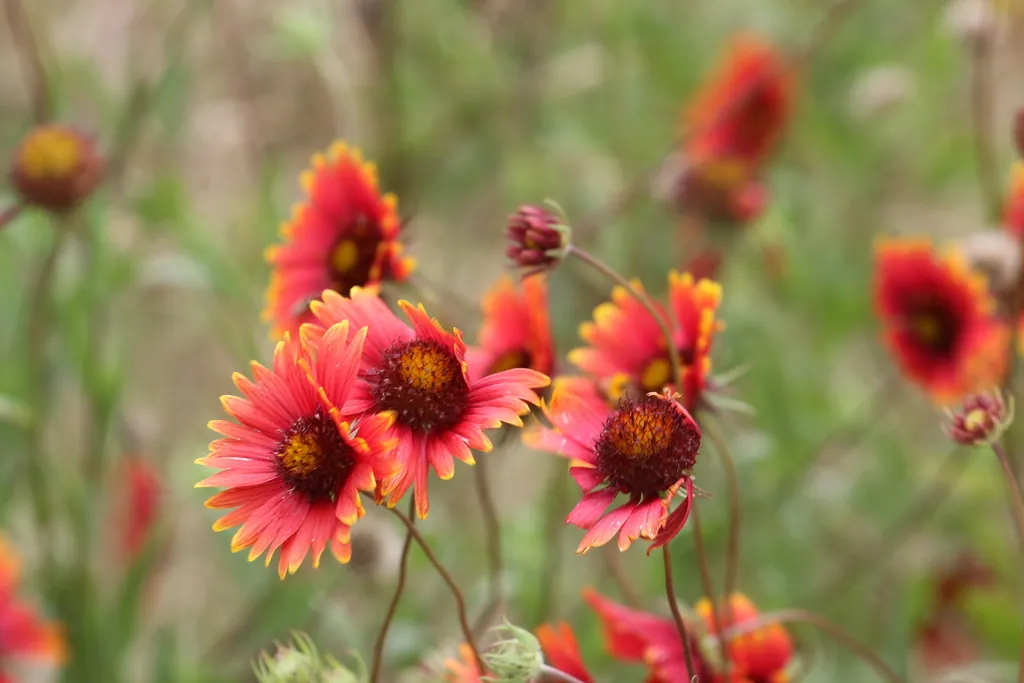

Photo credits and licenses
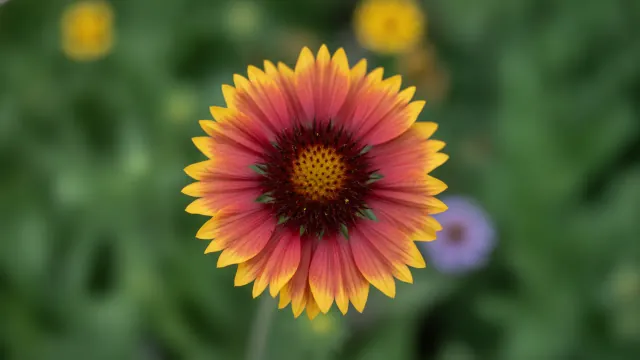
Real photographs from naturalists and photographers worldwide, each used under its own license. Credit: Photo by Brooke Smith / iNaturalist (CC BY) and Photo by Brooke Smith / iNaturalist (CC BY). How photos are sourced →

Blanket Flower
Gaillardia
Blanket Flower blooms from June through September.
Months here are Northern Hemisphere months; in the Southern Hemisphere, shift them by six months.
Growing Blanket Flower
Plant it in full sun. It prefers low water. It is hardy in USDA zones 3–10. Expect it to reach about 20 in tall and 16 in wide at maturity, in roughly 2 years (not yet checked).
What was checked
Mature height and spread, hardiness zones, sun and the trait tags were checked against named botanical sources for this plant. The bloom months and water need on this page were not, and each fact above says which. The planting, spacing and size sections are derived from these checked facts by a fixed rule, not checked separately, and the plant type is the library's own classification.
When to plant Blanket Flower
Plant Blanket Flower in early spring as soon as the soil is workable, or in early fall at least six weeks before your first frost, so roots establish in cool weather. In zone 6, the middle of its hardy zones 3 to 10, spring means March to May and fall means August or September. Once settled, it blooms from June to September.
Month-by-month timing for your zone is on the planting calendar; if you garden near zone 6, the middle of this plant's hardy range, start with zone 6 in March. Derived from the plant's category, zones and bloom months plus typical zone frost dates, not checked separately.
How big does Blanket Flower get?
 20 intall5 ft 7 inan adult16 inwide
See Blanket Flower in a garden plan: the planner shows it in 3D beside everything else you add, growing toward this size over the years.
How far apart to plant Blanket Flower
Derived from the mature spread above by a fixed rule, not checked separately: spacing is the spread, center to center.
Space Blanket Flower about 16 in apart, center to center, so each plant has room to reach its full width.
Add Blanket Flower to a garden plan and the planner draws it at its full width, so you see the spacing before you buy.
Where these facts come from
Blanket Flower's height, spread, hardiness zones, sun and trait tags were checked against 8 published sources on July 30, 2026. Each one is linked below with every fact it carried, which can include a fact this page still marks as not yet checked, because a source carrying a value is not the same as the value being held to the standard. Facts not in that list, and the planting, spacing and size sections, are not covered by these sources.
- edis.ifas.ufl.eduUF/IFAS Extension EDIS FP217 (Gaillardia pulchella 'Red Plume')height, spread, hardiness zones, sun and trait tags
- Missouri Botanical GardenGaillardia x grandifloraheight, spread, hardiness zones, sun and trait tags
- NC State ExtensionGaillardia, the genus entryheight, spread, hardiness zones, sun and trait tags
- NC State ExtensionGaillardia x grandifloraheight, spread, hardiness zones, sun and trait tags
- NC State ExtensionGaillardia aristataheight, spread, hardiness zones, sun and trait tags
- University of Illinois ExtensionBlanket Flower, Galardia x grandifloraheight, hardiness zones, sun and trait tags
- University of Illinois ExtensionBlanket Flower, Galardia x grandifloraheight, hardiness zones, sun and trait tags
- University of Wisconsin HorticultureWisconsin Horticulture, Division of Extension (Blanket flower, Gaillar...sun and trait tags
How the checking works, and what each standard covers, is on the verified plants page.
Comes in 6 varieties across 3 colors
Same genus, similar care - pick the color you are growing.
Compare every variety in the Blanket Flower group
Every figure is the variety's own page fact. Tap a name to open it.
| Variety | Color | Blooms | Hardiness | Sun | Size (H × W) |
|---|---|---|---|---|---|
| Arizona Apricot | Yellow | Jun–Sep | Zones 3–9 | Full sun | 14 in × 20 in |
| Arizona Sun | Red | Jun–Sep | Zones 3–9 | Full sun | 14 in × 20 in |
| Blanketthis page | Orange | Jun–Sep | Zones 3–10 | Full sun | 20 in × 16 in |
| Burgundy | Red | Jun–Sep | Zones 3–9 | Full sun | 24 in × 20 in |
| Goblin | Red | Jun–Sep | Zones 3–9 | Full sun | 12 in × 16 in |
| Mesa Yellow | Yellow | Jun–Sep | Zones 3–9 | Full sun | 18 in × 20 in |
| Oranges and Lemons | Orange | Jun–Sep | Zones 3–9 | Full sun | 20 in × 20 in |
Good to know about Blanket Flower
Curated from university extensions, botanic gardens and other primary sources, with the source named on every note. A note reports what its source says; where that differs from a fact above, the fact above is this entry's stored value, and its mark says whether it has been checked.
Safety
All parts can cause contact dermatitis, from daisy-family compounds (sesquiterpene lactones) and rough hairs, not from eating it. Wear gloves to handle it. per NC State and Wildflower
Worth knowing
It blooms itself to death. The heavy flowering behind its long season also exhausts the plant, so the hybrid often lives only about two years. per Wisconsin
Annual or perennial?
Sold as 'blanket flower', it might be annual G. pulchella or the short-lived perennial hybrid. Let it self-seed or divide it every 2 to 3 years to keep it going. per NC State
Sharp drainage is everything
Wants lean, sharply drained soil and rots in wet clay, which is the top cause of failure. In heavy ground, use a berm, raised bed or gritty mix. per NC State
North American native
The genus is native to the Americas; the garden plant is a hybrid of two natives, western G. aristata and south-central G. pulchella. per NC State
Feeds pollinators and goldfinches
The long bloom season draws butterflies, native bees and specialist moths, and goldfinches eat the seed heads, so it feeds wildlife for months. per NC State
Deer and rabbit resistant
Usually left alone by deer and rabbits, and salt tolerant too, so it works in browse-pressured, coastal or roadside spots. Very hungry animals may still nibble. per NC State
What pairs well with Blanket Flower
Good companions share its growing conditions and add something it lacks: an earlier or later bloom, a lower carpet in front, or structure through winter.
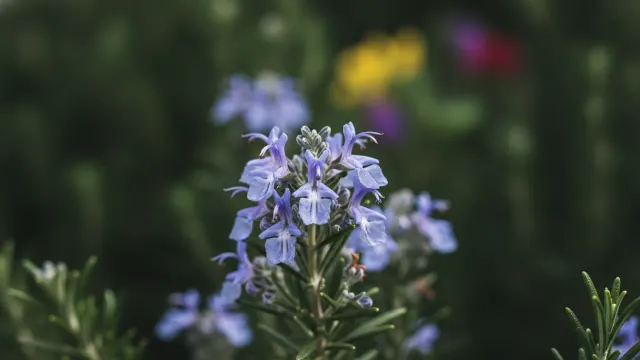
Rosemary
Shares full sun and low water; blooms in early spring, before this one opens; both are strong pollinator plants, and they feed in different months; evergreen, so the bed keeps its shape through winter.
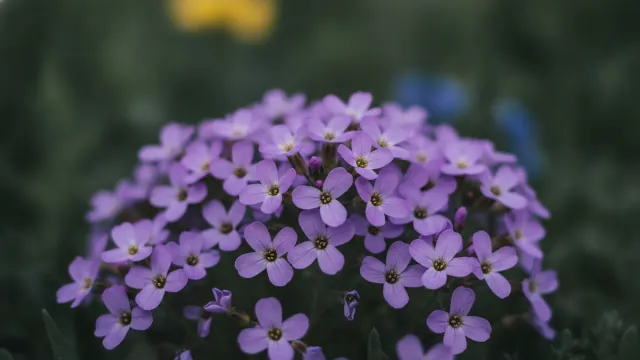
Rock Cress
Shares full sun and low water; blooms in mid spring, before this one opens; both offer pollinator forage, in different months; evergreen, so the bed keeps its shape through winter.
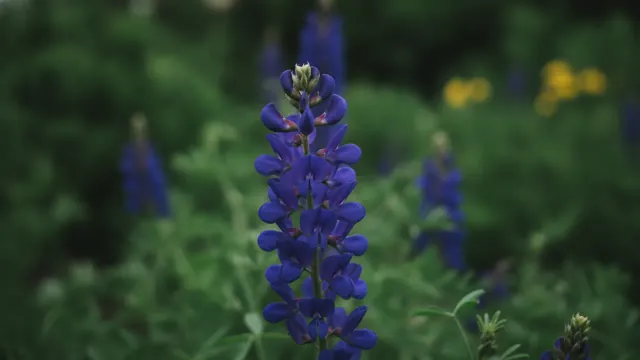
False Indigo
Shares full sun and low water; opens in late spring and overlaps into this one's season; both are strong pollinator plants; its seed heads stand through winter, for structure and the birds.
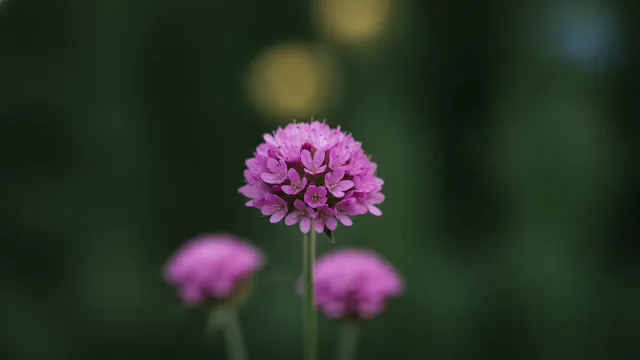
Sea Thrift
Shares full sun and low water; opens in mid spring and overlaps into this one's season; evergreen, so the bed keeps its shape through winter; both offer pollinator forage.
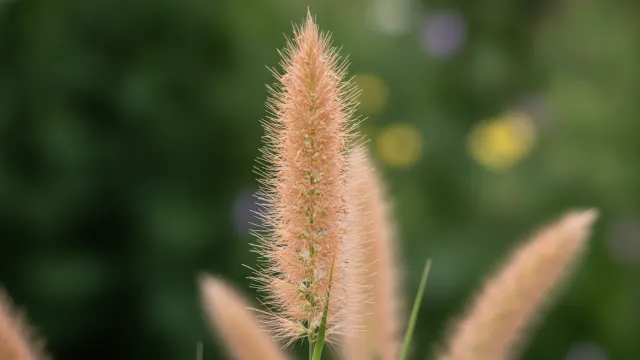
Switchgrass
Shares full sun and low water; overlaps, then carries the display into mid fall; both are strong pollinator plants; its seed heads stand through winter, for structure and the birds.
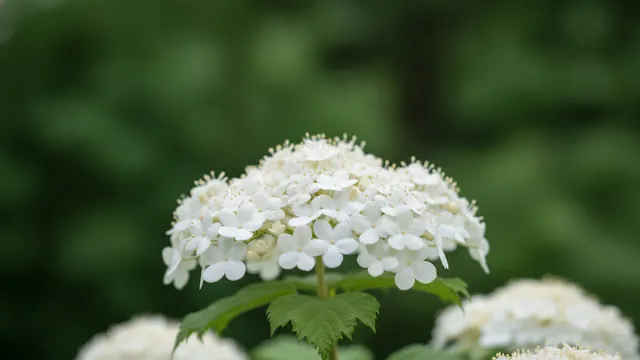
Viburnum
Shares full sun and low to moderate water; blooms in mid spring, before this one opens; both offer pollinator forage, in different months; taller at 6.5 ft, for the layer behind it.
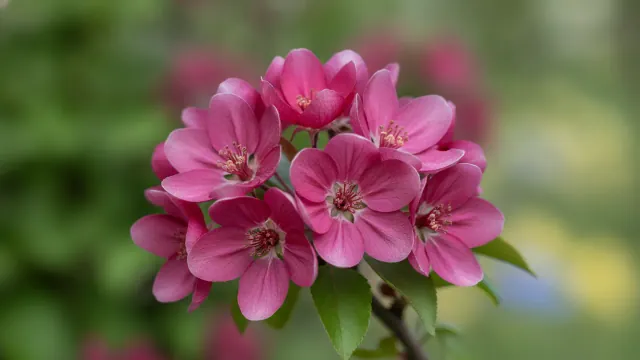
Flowering Crabapple
Shares full sun and low to moderate water; blooms in mid spring, before this one opens; both are strong pollinator plants, and they feed in different months.
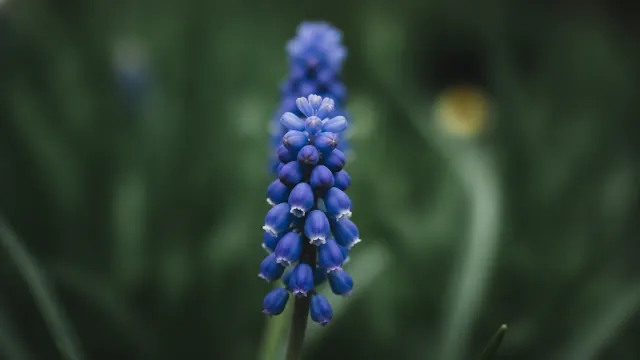
Grape Hyacinth
Shares full sun and low water; blooms in early spring, before this one opens; both offer pollinator forage, in different months; lower at 8 in, for the front of the border.
Featured in these guides
Explore similar plants
You might also like
Design a garden with this
Drop this plant onto a 3D plan, see how it fills in, and watch your whole garden bloom across the year.